Wednesday, 27 August 2025

How often to post on social media

Raise your hand if you’ve ever wondered how often to post on social media?

You’re not alone. Post too much and you risk overwhelming your audience (and your team). Too little and you might miss timely opportunities or slip off their radar.

So what’s the “right” cadence? Our 2025 Content Benchmarks Report shows that scaling back your publishing volume can create room for more unique, high-value content. And the Sprout Social Index™ found that before people hit “follow,” they care more about originality and how you interact with them, over how many times you post.

If you’re looking for hard numbers to guide you, keep reading. Our data science team analyzed nearly 3 billion messages from 1 million public social profiles to find the industry average for the networks you—and your audience—care about most.

How often to post on social media for business in 2025

Industry average: 9.5 posts per day
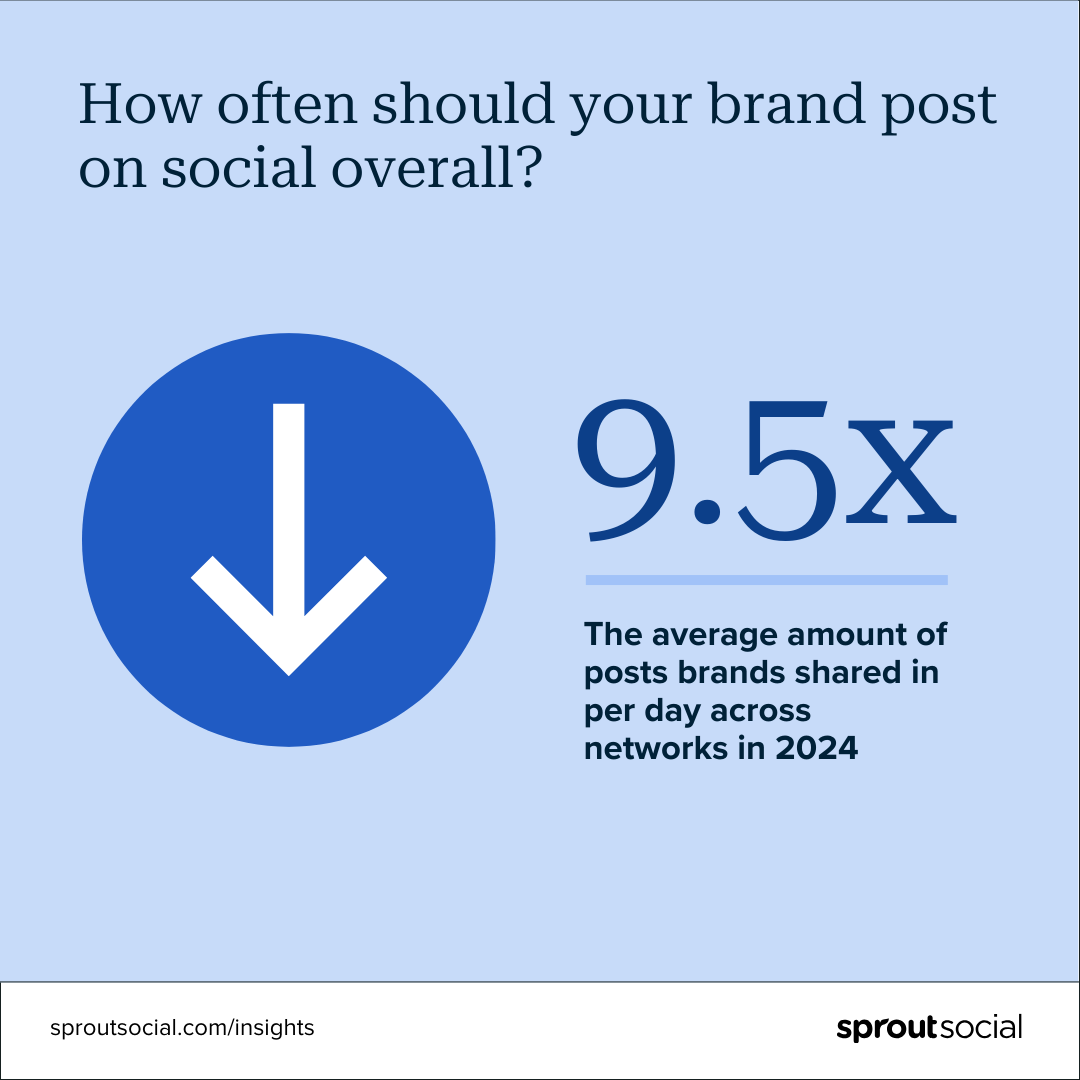
How often should you brand post on social overall? 9.5x: The average amount of posts brands shared per day across networks in 2024

Don’t worry, social media managers—that’s across all platforms, not per channel.

This number is down from 11 posts per day in 2022, continuing a steady decline over the last few years. It’s a clear signal that brands are embracing a ‘quality over quantity’ approach to social.

It’s exactly the kind of shift digital marketing expert Ann Handley celebrated in her recent LinkedIn breakdown of our data. She called “posting less” a power move that gives teams room to create more meaningful, resonant content.

Understanding how often to post on each platform can help you focus your efforts, prioritize channels that matter most and build a social media plan that works for your goals.

In the following sections, you’ll find the average posting frequency benchmarks for each major social media platform, backed by fresh 2025 data. Keep in mind these are industry averages. Your posting sweet spot depends on your audience, industry and resources. Use these numbers (and the best times to post on social media) as a starting point, then test and refine to see what works best for you.

How often should you post on TikTok?

TikTok recommends: 1-4 times per day
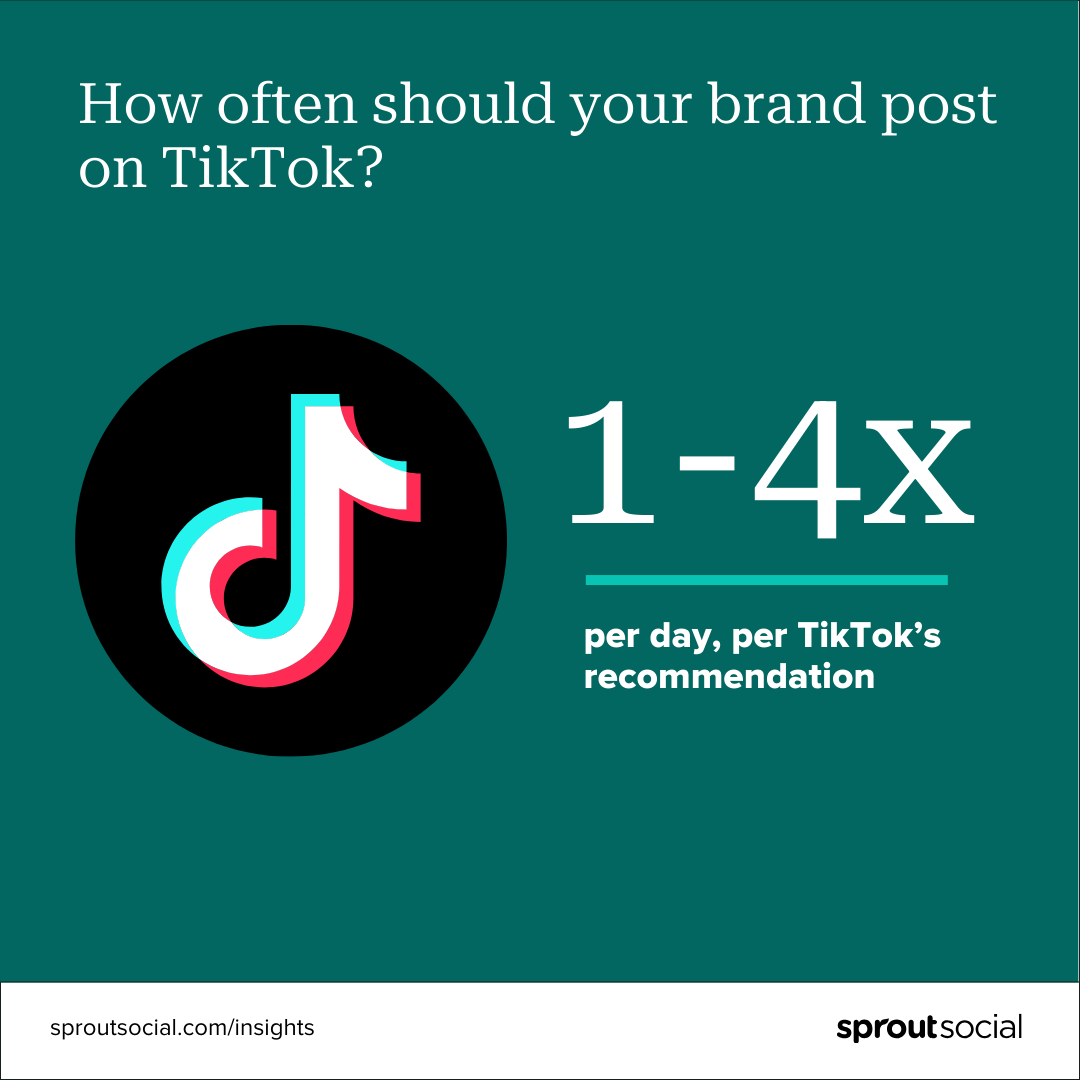
How often should your brand post on TikTok? 1-4x per day, per TikTok’s recommendation

While we don’t yet have our own posting frequency data for how many times to post on TikTok (stay tuned), TikTok’s official guidance is one to four posts daily. In reality, most brands post far less. A 2024 RivalIQ report found the average is about two videos per week.

That gap reflects the tension between what the algorithm favors and what’s sustainable for marketing teams. Multiple posts a day give you more opportunities to test formats, sounds and themes. But without a clear content strategy, it’s easy to burn through ideas without building momentum.

Our recommendation? Tie your TikTok posting cadence to campaign objectives. Every post should have a job, whether that’s fueling a launch, sparking conversation or testing creative before a paid push.
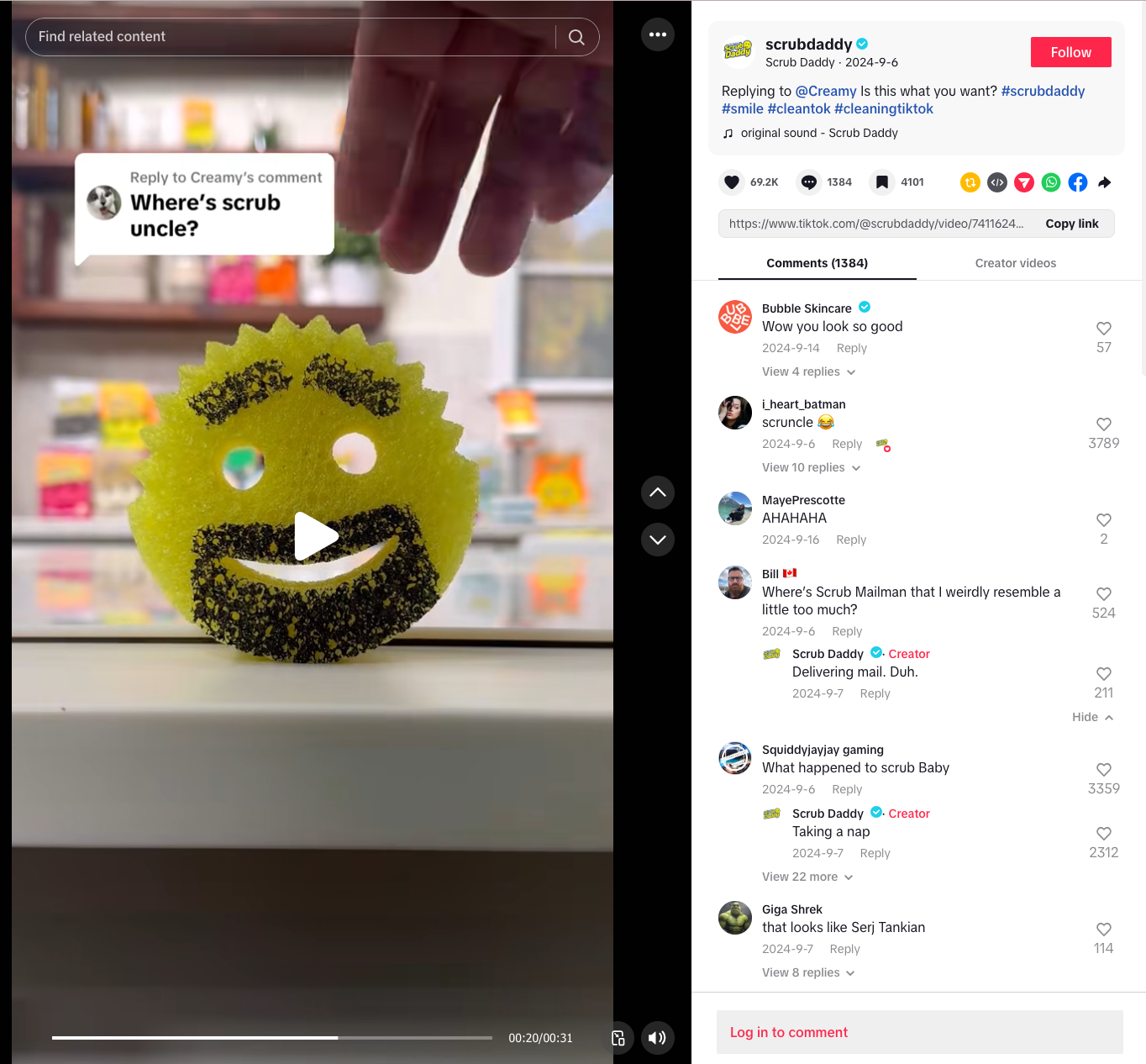
TikTok post from ScrubDaddy

Beyond posting frequency, here are a few TikTok marketing musts for 2025:

  • Optimize for search: Our Q2 2025 survey found that Gen Z now turns to social before Google or traditional search engines. Use keywords in captions and text overlays to make your content more discoverable.
  • Go deep into niche communities: Hashtag hubs like #FinTok or #CleanTok are powerful entry points for building relevance and authority.
  • Use social listening for insights: Tools like Sprout Social can surface trending conversations in your industry, helping you jump in early and create content that resonates.

How often should you post on Instagram?

Industry average: 1-2 posts a day
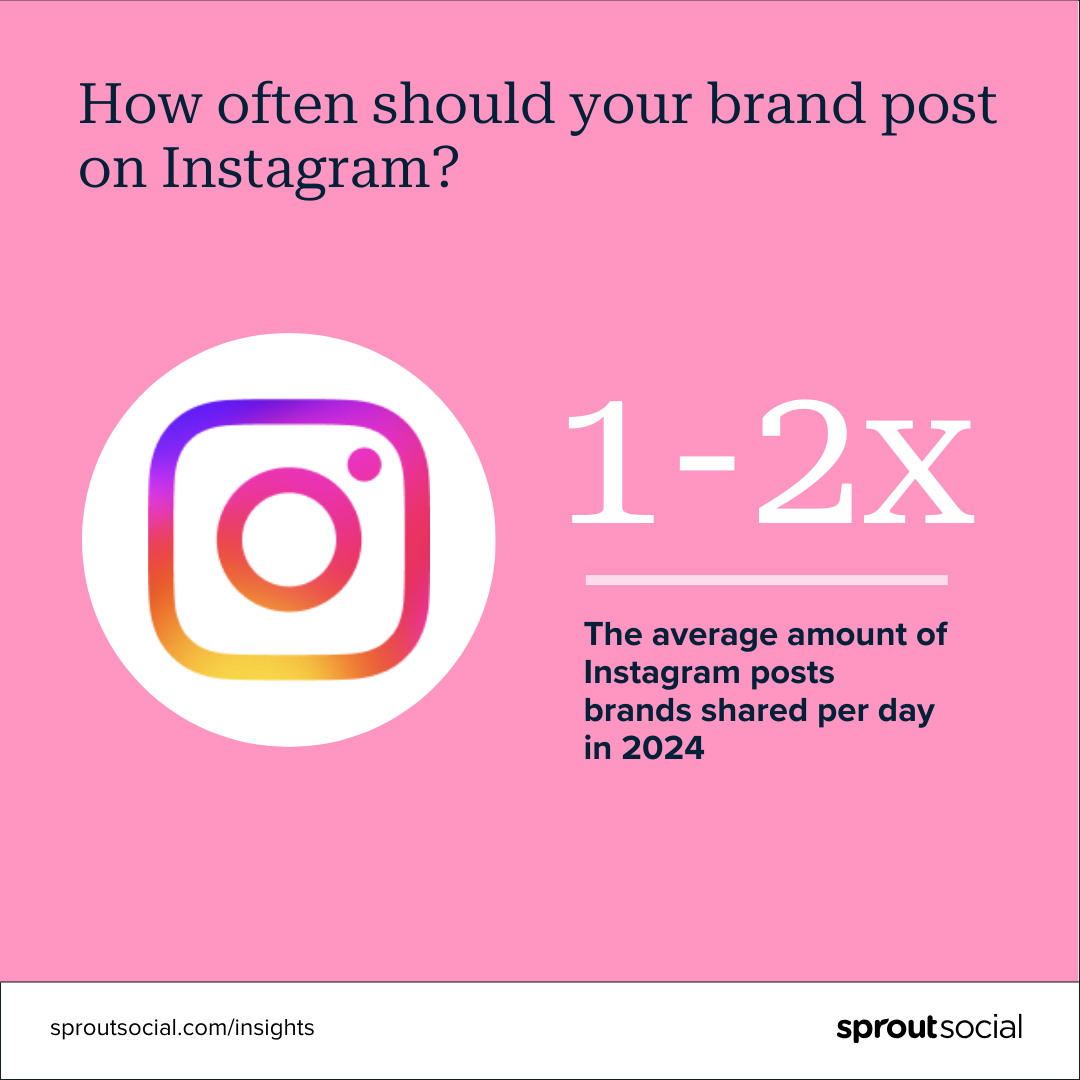
How often should your band post on Instagram? 1-2X: the average amount of Instagram posts brands shared per day in 2024

With more than two billion monthly active users, Instagram is still one of the most popular social networks around. And according to our 2024 Social Media Content Strategy Report, half of those users interact with brands at least once a day.

Even though it’s a crowded space, you don’t need to post every hour to be heard. As far as how many times to post on Instagram, 1-2 times a day is the average. But this can vary by company size. For example, enterprise brands post 54% more than mid-size companies, likely because they have more resources to support this volume.
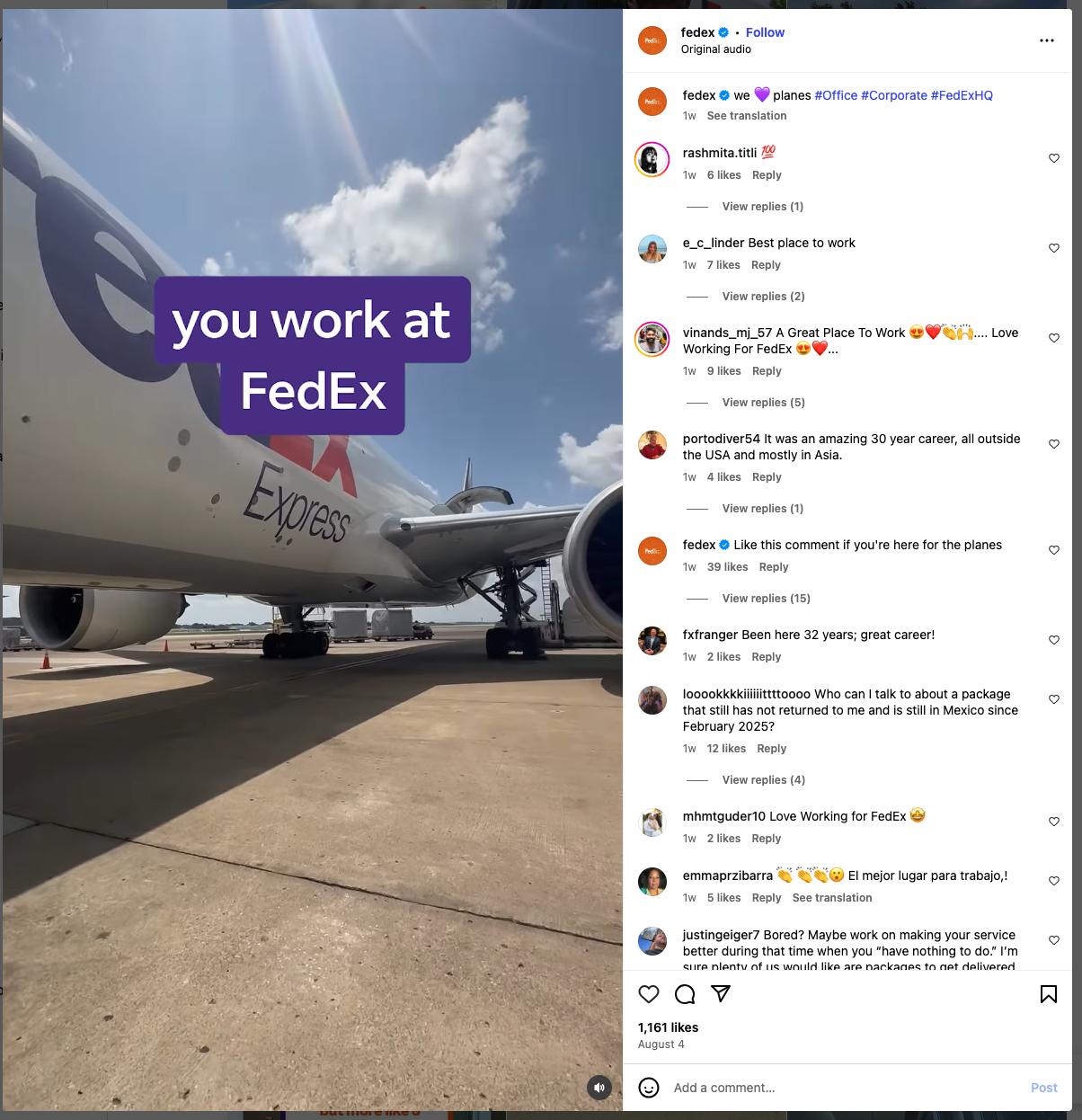
Instagram post from FedEx

Here’s how to make your Instagram posts count in 2025:

  • Turn product tags into purchases: Instagram is the top platform for product discovery, with 61% of social users finding their next purchase here, according to The 2024 Social Media Content Strategy Report. Use social commerce features like Shops and link stickers to turn inspiration into sales.
  • Lead with short-form video: Among brand content, users are most likely to engage with short videos—and the shorter the better. Reels under 15 seconds often earn the most attention.
  • Diversify your content: Static images still hold their own alongside video, so mix them into your calendar for variety and balance.
  • Partner with the right creators: Instagram is the top platform consumers use to engage with influencers. Gen X and Millennials are nearly twice as likely as Boomers to engage with influencers here, making it a powerful space for targeted campaigns.

How often should you post on Facebook?

Industry average: 5 posts per day
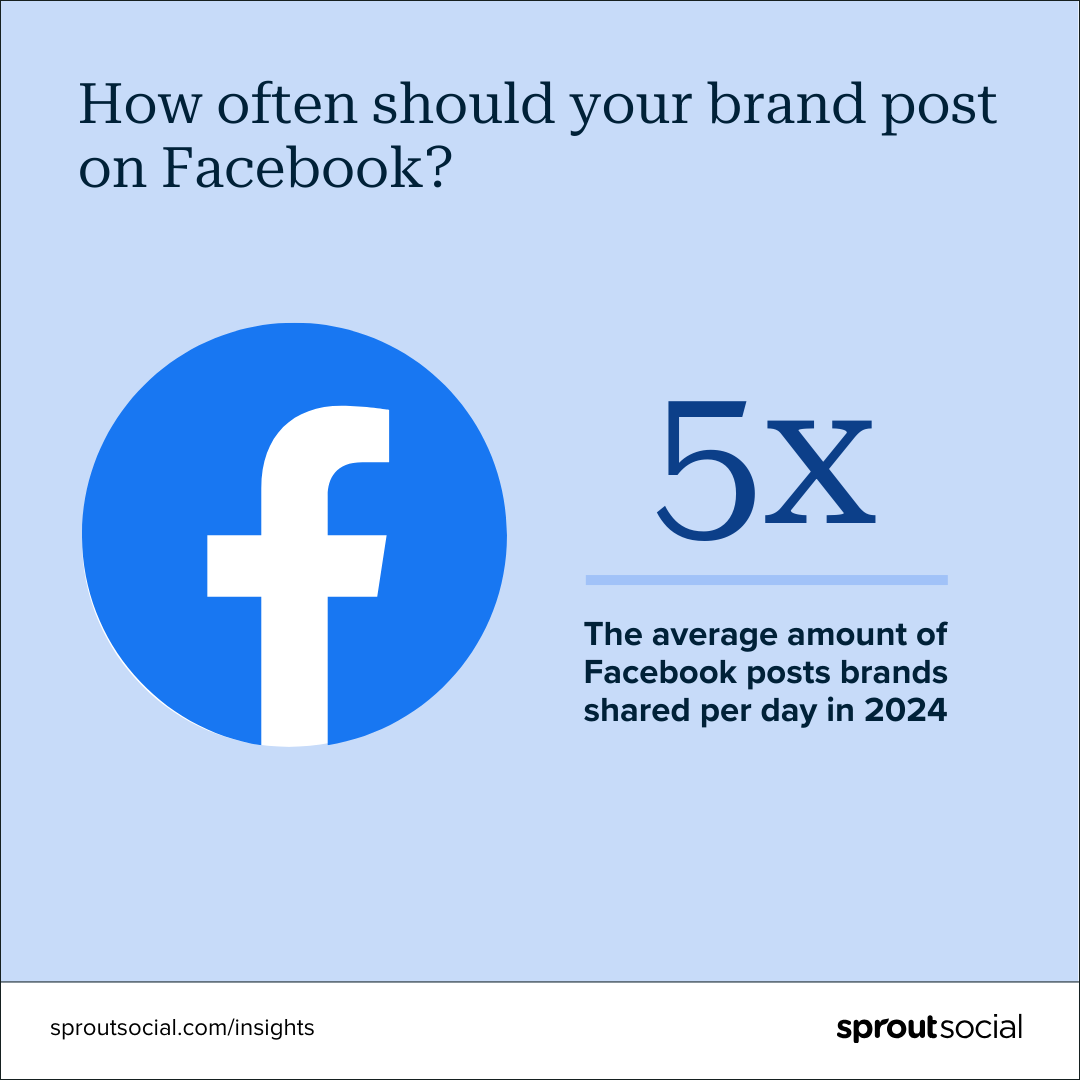
How often should your brand post on Facebook? 5x: The average amount of Facebook posts brands share per day in 2024

With just under 3 billion monthly active users, Facebook still dominates the digital space.

Our Q2 2025 survey found that 87% of consumers have a profile, and nearly half (44%) interact with brand content daily. It’s also the top platform for customer service, with 55% of consumers using it to contact brands.

The industry average is five posts per day, which is a high bar for most teams. To hit that volume sustainably, consider building a repurposing workflow. Turn one video into a text update, an image quote and a short clip. Also mix in curated content and user-generated posts to lighten the load.
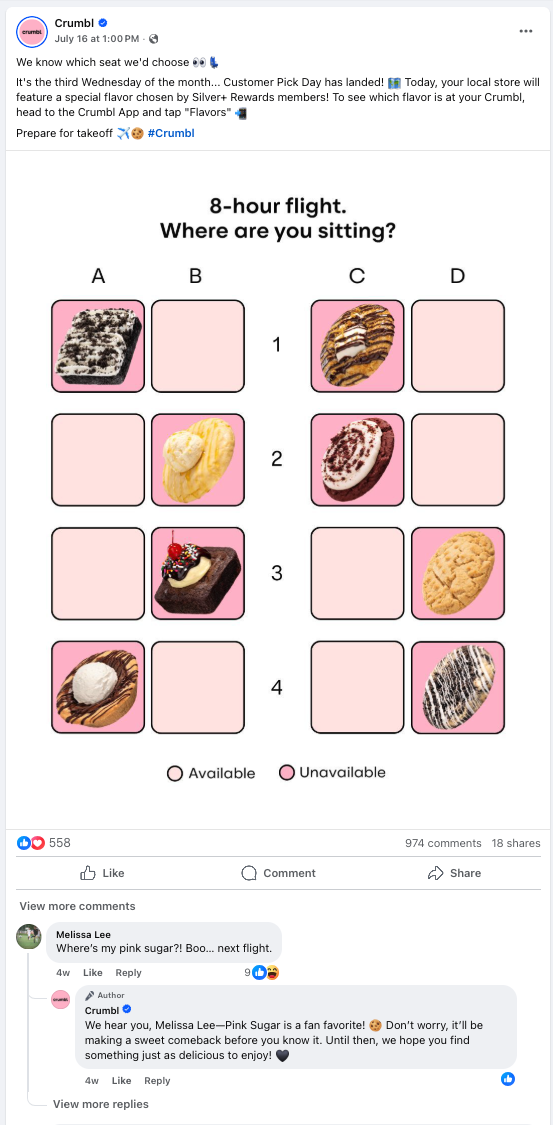
Facebook post from Crumbl

Here are a few tips on staying ahead in the Feed:

  • Lead with text-first content: Of all brand post types, consumers are most likely to engage with text posts, according to The 2024 Social Media Content Strategy Report. Yes, even more than short-form video or static images.
  • Make customer care visible: Since Facebook is the go-to social channel for service inquiries, use timely, public responses to build trust and loyalty.
  • Tap into current events: Facebook remains the most popular social network for news and current event updates. Add your brand’s perspective to trending topics to boost visibility and engagement.

How often should you post on LinkedIn?

Industry average: 1 post per day
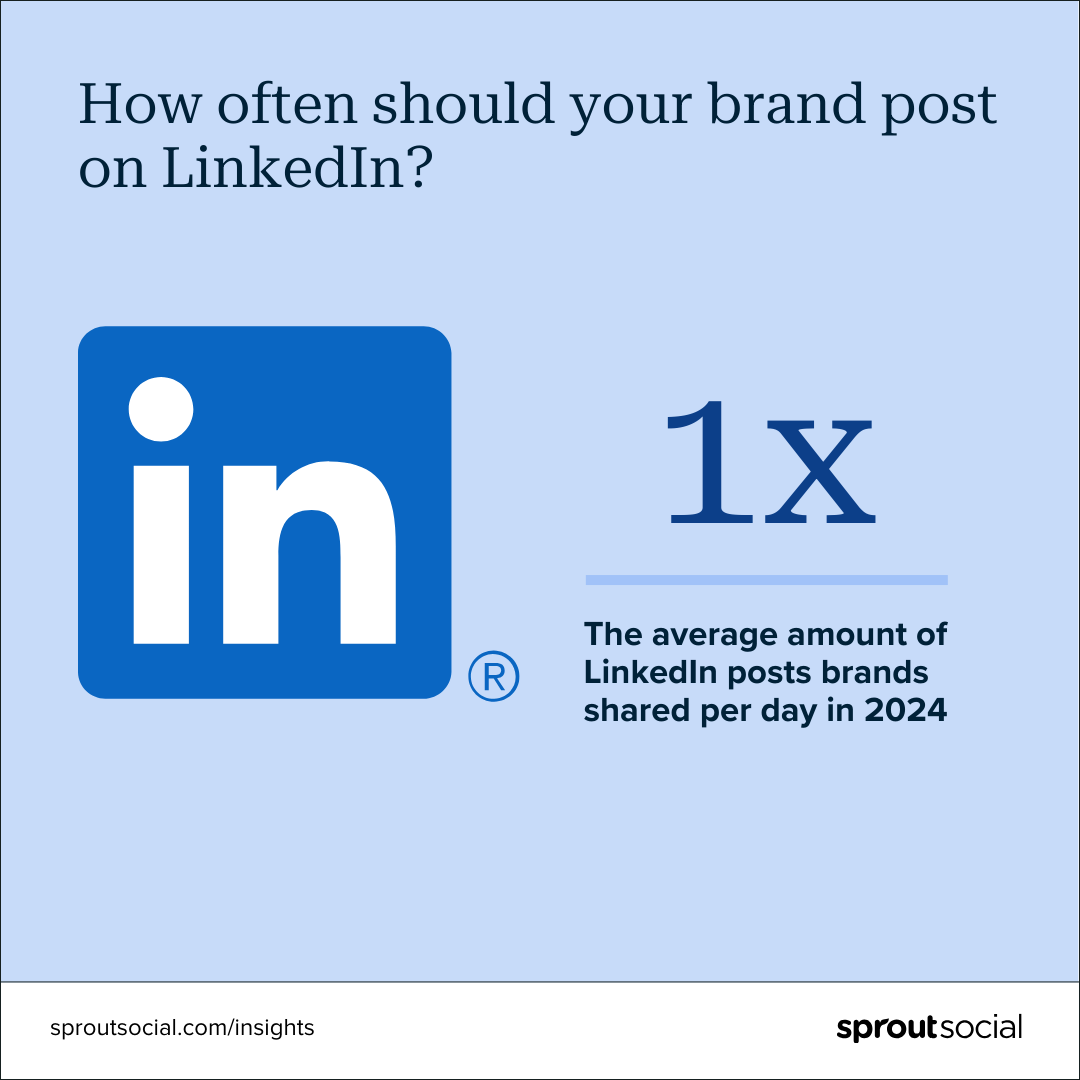
How often should your brand post on LinkedIn? 1x: The average amount of LinkedIn posts brands shared per day in 2024

LinkedIn has evolved from a strictly business bulletin board into a place where professional updates meet personal reflection. It’s now a platform where employer branding, thought leadership and genuine community building all live side by side.

Most brands post no more than once per day, and according to Copyblogger, 91% of LinkedIn creators publish at least once every three days. Business Insider’s expert consensus? Two to five posts a week strikes the right balance. It’s enough to stay visible without oversaturating your audience.

Wondering what to post on LinkedIn? According to The 2024 Social Media Content Strategy Report, the #1 way social users want brands to show up on LinkedIn is by sharing educational product information. That could mean:

  • A short carousel breaking down a new feature release
  • A text post with data-backed insights from your product team
  • A short video showing how customers use your product in real life
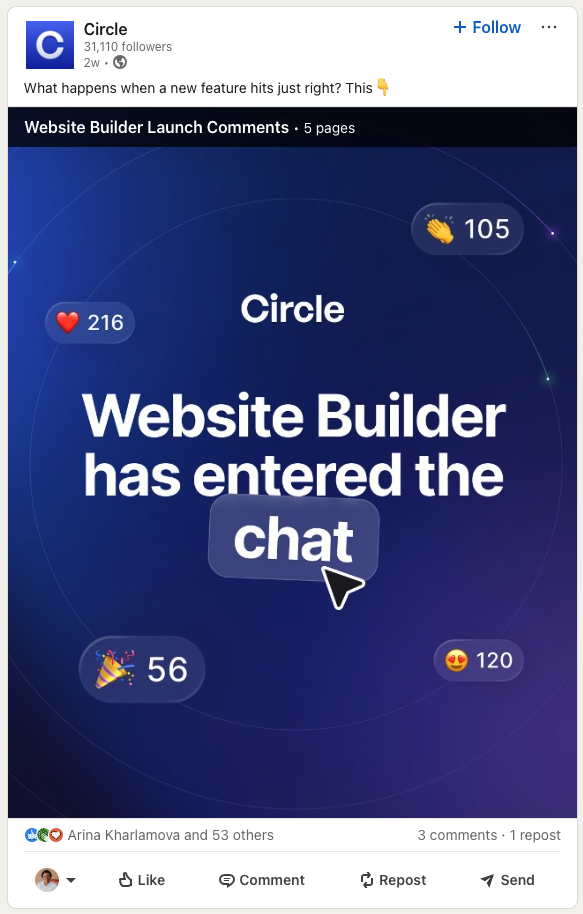
LinkedIn Post from Circle

More tips for maximizing your LinkedIn presence:

  • Prioritize text and static images: On LinkedIn, these posts still see the most engagement, so keep them in your content mix.
  • Try out LinkedIn video: Native video uploads are up 45% year-over-year, according to LinkedIn insights. Keep them short (15–30 seconds) and sound-off friendly with captions or on-screen text. Seventy-nine percent of LinkedIn videos are viewed without sound.
  • Blend education and entertainment: Sixty-six percent of social users say “edutainment” is the most engaging brand content, even outperforming memes or serialized posts.
  • Engage strategically: According to Business Insider, comments can earn as much visibility as posts. Spend 15–30 minutes a day adding thoughtful comments to others’ content and responding quickly to comments on your own—especially within the first hour.

How often should you post on X (Twitter)?

Industry average: 2x Tweets per day
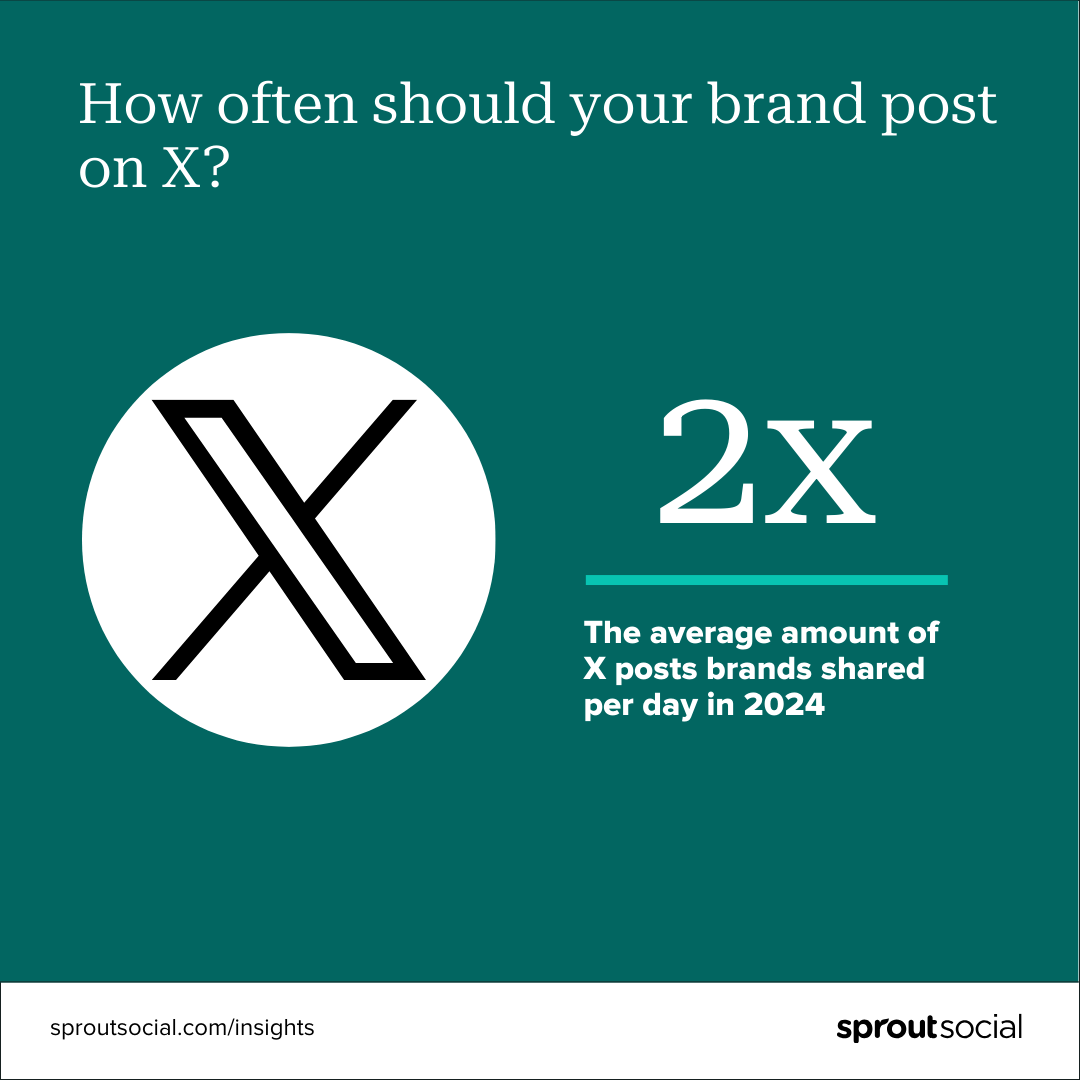
How often should your brand post on X? 2x: The average amount of X posts shared per day in 2024

The birthplace of the hashtag remains a go-to platform for trends and emerging news stories.

X’s fast-moving feed still rewards timeliness, but that doesn’t mean you need to post constantly. In 2022, brands averaged three to four Tweets a day. Now the industry average is just two.

You also don’t need to add too many bells and whistles to your content here. X’s conversational, “stream of consciousness” nature makes it an easy place to create lighthearted posts without sacrificing your voice or brand persona.
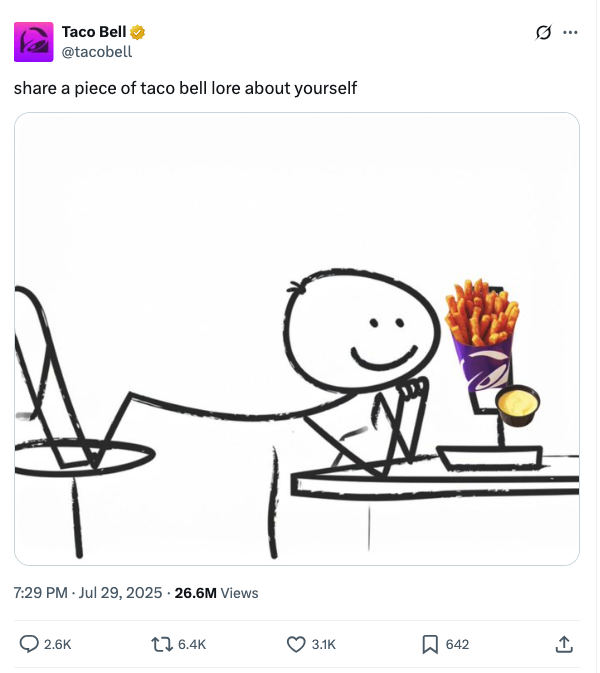
Twitter post from Taco Bell

Here are some more tips to get the most out of your posts and time:

  • Lead with concise, visual posts: Users are most likely to engage with brand text posts and single images. Single-image posts make up 47% of brand content across industries.
  • Experiment with short-form video: Video posts on X have grown by two percentage points since 2023. To maximize reach and engagement, keep clips under 30 seconds, add captions for sound-off viewing and use a strong hook in the first few seconds.
  • Cross-post with intention: Repurpose high-performing Tweets, like relatable or meme-based posts, on Instagram or TikTok to extend their lifespan and reach.
  • Join the conversation early: Tap into trending topics while they’re still gaining traction, especially around news or cultural moments relevant to your audience.
  • Make customer care visible: According to internal X data, 80% of social customer service inquiries start on the platform. Use social listening to spot brand mentions—tagged or not—and respond quickly to build trust.

How often should you post on Pinterest?

Industry average: 1x a week
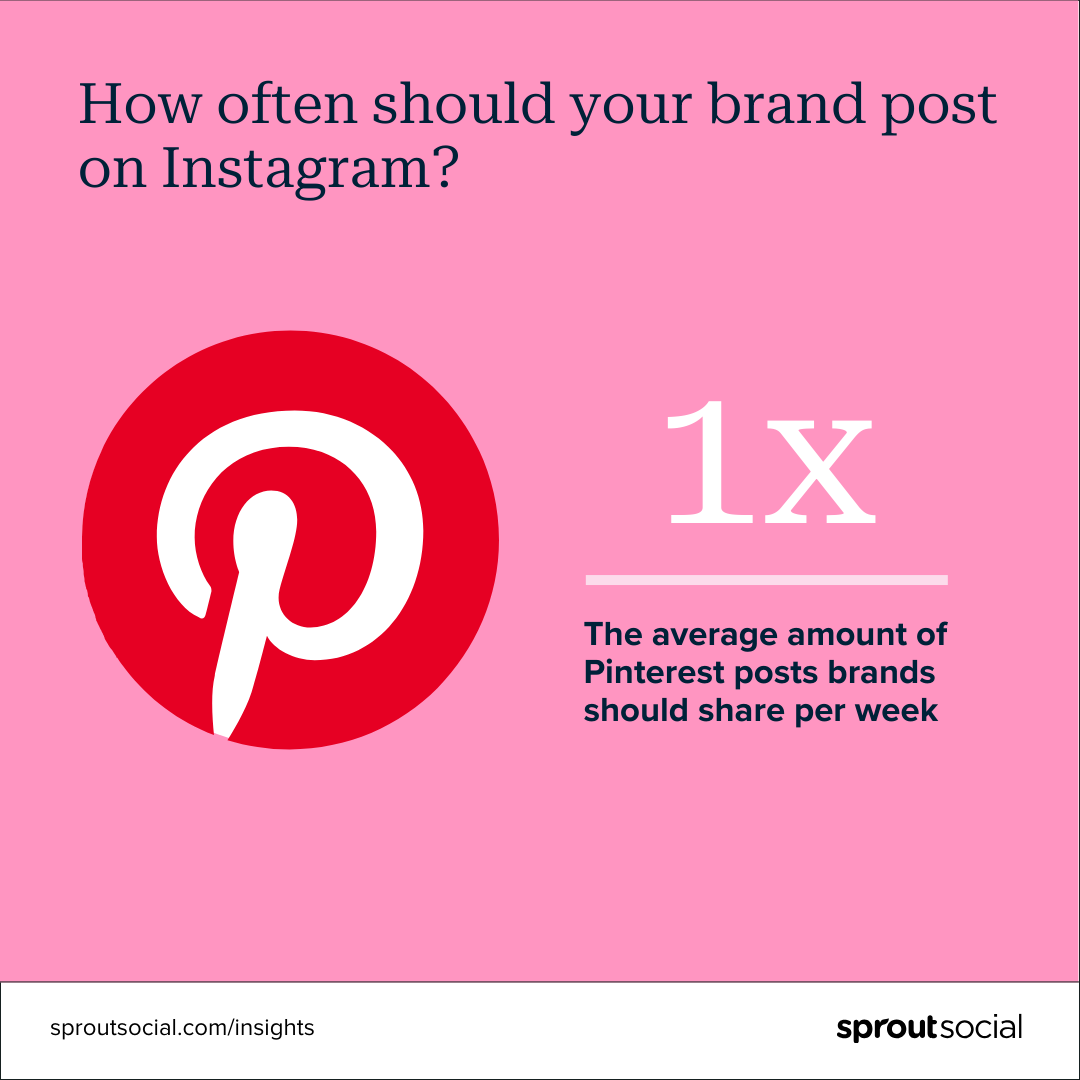
How often should your brand post on Instagram? 1x: The average amount of Pinterest posts brands should share per week
Pinterest is where people go to dream big, plan little joys and collect ideas that make life better. Knowing this, it’s no surprise that the 2024 Social Media Content Strategy Report revealed that 51% of all social users say Pinterest feels more positive than other platforms. Among Gen Z, that number rises to 60%.

In 2022, we recommended posting on Pinterest once a day. For 2025, that’s shifted to once a week. Why the change? Pinterest’s Business blog puts it simply: “Focus on the content itself.” A single, high-quality, fresh Pin can keep driving traffic for months, so the emphasis should be on creating content worth saving and sharing—not hitting a high volume.

Pinterest post from Sandals Resorts
Here are a few tips to make your Pins count and stand out:

  • Use the right keywords: 97% of top Pinterest searches are unbranded, making the platform a huge discovery engine. Weave relevant keywords into your Pin titles, descriptions and alt text so people searching for ideas can find you first.
  • Inspire and educate: These are the top reasons people interact with brands on Pinterest, according to The 2024 Social Media Content Strategy Report. Show your product in realistic settings, offer how-tos or share ideas that spark creativity.
  • Tap into aspiration: Pinterest is the internet’s vision board. People use it to plan everything from weddings to weeknight meals. Align your content with these moments by providing practical, inspiring resources for planners and dreamers alike.
  • Leverage trends: Use Pinterest trends to identify seasonal and cultural moments your brand can authentically join. Timely, trend-aligned content can quickly gain traction in search results.

Find your brand’s ideal posting frequency

Knowing how often to post on social media is just one part of your strategy. Your content still needs to be high-quality and relevant to your audience. But nailing the posting frequency that works for you can help you stand out without being spammy. This is where marketers can leverage social media scheduling tools, like Sprout Social, to optimize posting frequency and save time.

You know the answer to “how often should you post on social media?” Your next step is to experiment with these averages to find out what your frequency sweet spot is.

How we gathered the data

We understand that these reports can raise questions about just where the data is coming from. That’s why we want to be clear about the data we pulled and how we got here.

The insights in this article come from a mix of trusted external statistics and original Sprout Social research, including:

  • 2025 Content Marketing Benchmarks Report: We analyzed nearly 3 billion messages from 1 million public social profiles active between February 1, 2024 and January 31, 2025. This data covers posts from Facebook, Google My Business, Instagram, LinkedIn company pages, Pinterest, TikTok, TripAdvisor, and X.
  • 2024 Social Media Content Strategy Report: Conducted online by Cint on behalf of Sprout Social, this research included 4,400 consumers across the US, Canada, UK, Ireland, and Australia—each with at least one social media account and following five or more brands.
  • Pulse Surveys: Run online by Glimpse, a global market research firm, on behalf of Sprout Social. Participants included both social media users and marketers across the US, UK, and Australia.

Now’s the time to test your content calendar. Are you posting at the right frequency for your audience? Start your free trial of Sprout Social and discover your best posting frequency on social media today.

The post How often to post on social media appeared first on Sprout Social.


from Sprout Social https://ift.tt/hjofl56
via IFTTT

Tuesday, 26 August 2025

16 Facebook posting tips to increase engagement

An effective Facebook marketing strategy is more than just creating a Page and posting occasionally. You need a regular flow of content to engage your audience and maintain an organic presence on the platform. This is easier said than done when you constantly have to come up with fresh Facebook content ideas.

That’s why we put together this guide on 16 Facebook posting tips and post ideas to inspire you. Let’s take a look.

1. Ask questions

One great way to start conversations with your audience is by simply asking questions. It seems so basic, and you shouldn’t use this for every post, but it’s still a powerful strategy.

Think creatively about the types of questions you can ask. You can work to get genuine audience and customer input on business decisions. Or you can ask random questions that are relevant to your industry in an attempt to get more engagement on your post.

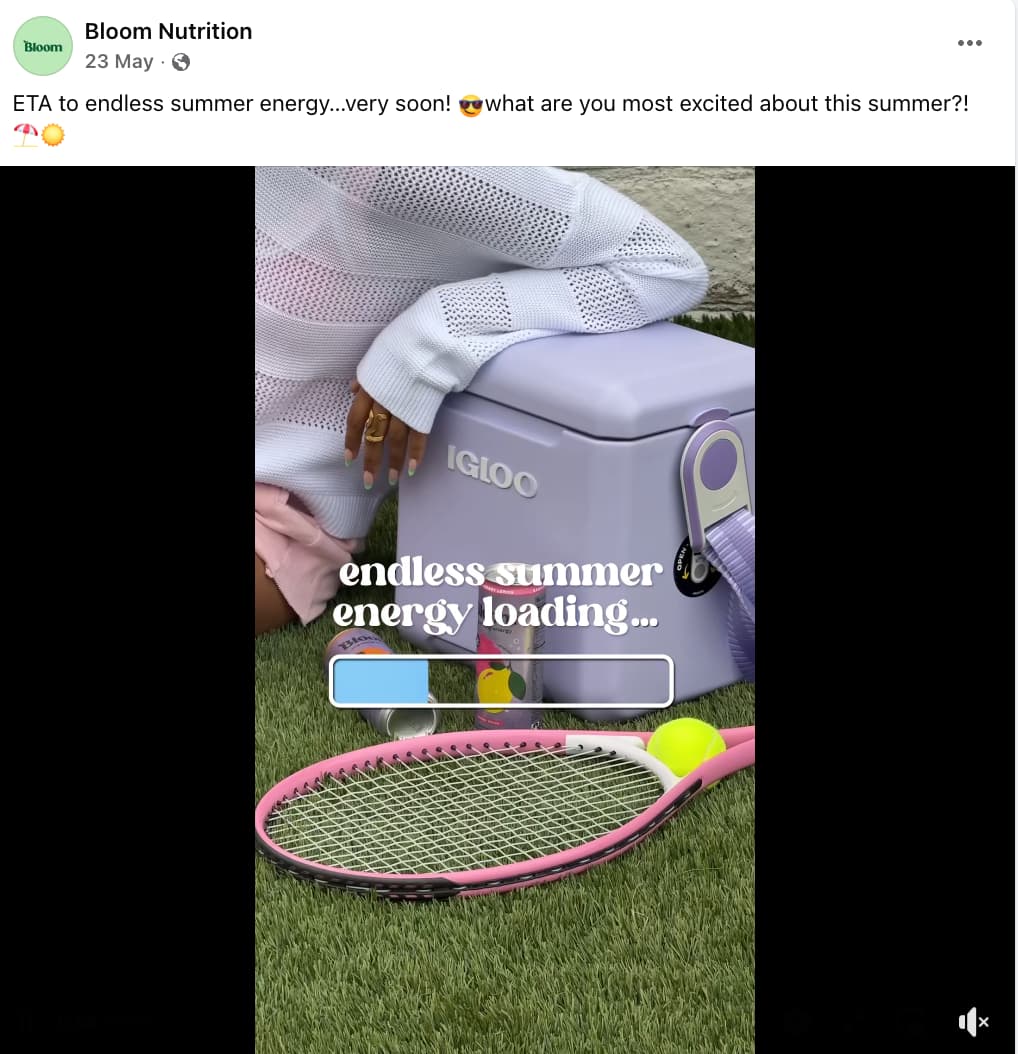
Notice how Bloom Nutrition asks followers what they’re most excited about this summer. The question comes with a post promoting its new summer energy drinks.

OLIPOP Facebook post showing a person resting their hand on an Igloo ice box and a tennis racket with a ball resting on the grass next to the box and a text overlay with a loading icon that reads "endless summer energy loading..."

Source

Consider how you can also ask your audience relevant questions that are fun and easy to respond to. You may even generate future content ideas from their responses.

2. Go behind-the-scenes

Another great Facebook content idea is sharing behind-the-scenes (BTS) photos of your business. There are many ways to do this. Show how products are made, introduce your employees or include bloopers of other videos or campaigns.

This helps to boost transparency, allowing you to get on a more personal level with your audience. So you can effectively build trust and connection.

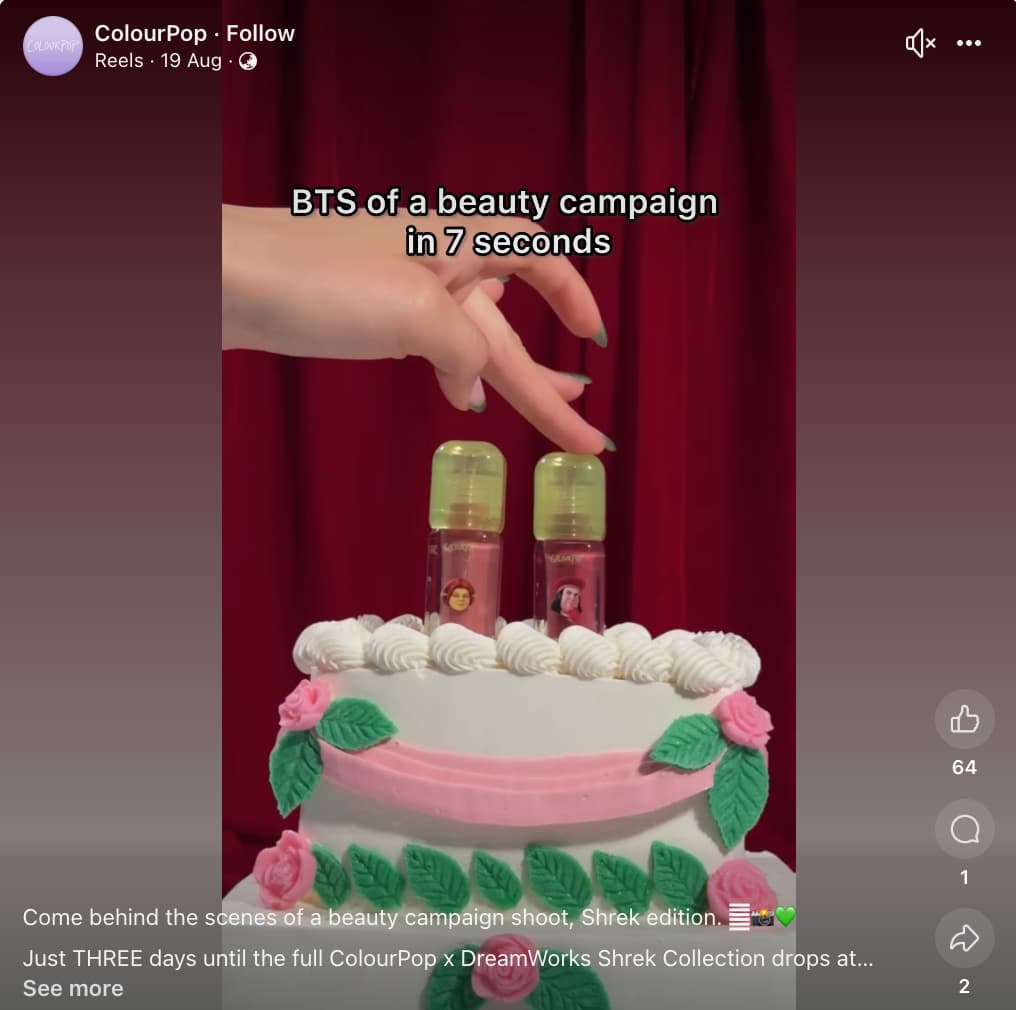
ColourPop Cosmetics chose to share a short video clip showing the BTS of its new Shrek collection campaign.

A hand adjusting two ColourPop lip products on top of a cake and text overlay that reads "BTS of a beauty campaign in 7 seconds"

Source

3. Engage in trending topics

An effective way to increase reach and engagement is to post about trending topics people are talking about. Not only can this increase your chances of appearing in feeds, but people will be more likely to comment on and share your posts as well.

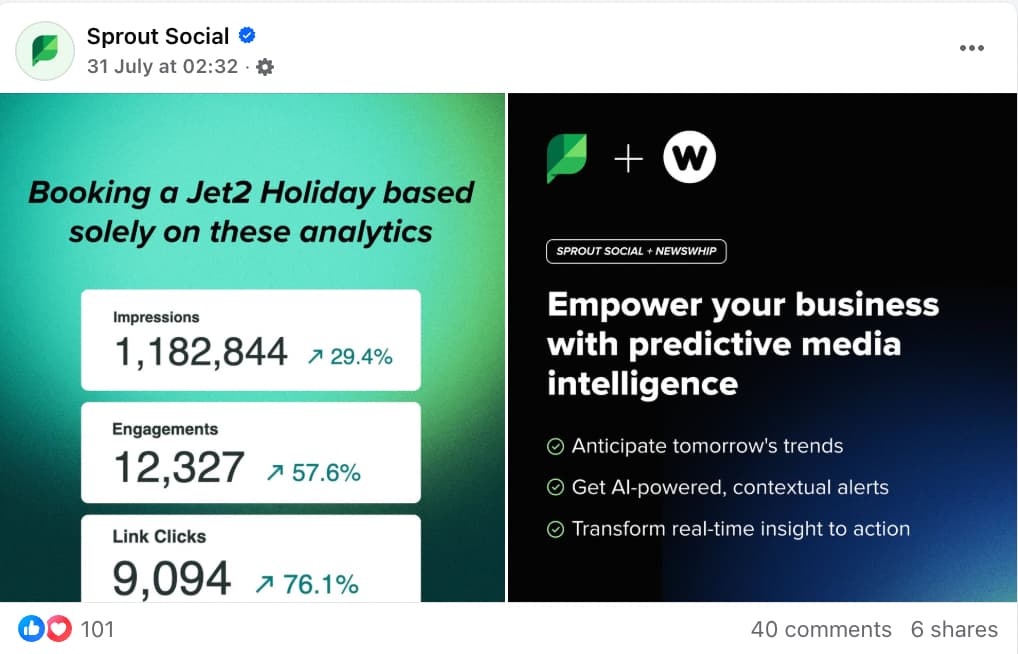
Sprout Social created relevant content based on the “Jet2 Holiday” trend that’s taking over the internet.

The post included some interesting analytics insights about the topic. This opened an opportunity to creatively position our predictive media intelligence solutions.

Sprout's Facebook post with graphics that show some numbers underneath text that reads "Booking a Jet2 Holiday based solely on these analytics"

Source

4. Create branded graphics

Like most social networks, Facebook is a highly visual platform. In fact, images account for 48% of brand content on the platform, according to the 2025 Content Benchmarks Report.

So whatever message you want to convey is more likely to resonate through visuals. That’s where your branded graphics come in, giving you the perfect format to convert text into images.

These are graphics incorporating your company’s logo, fonts and colors. So they can help you maintain visual consistency and improve branding.

And these don’t all have to have the same style, either. Bring various shades of your brand colors into the graphics to help them all look unique. Add shapes, icons, photos or illustrations to help visualize what your text says.

Don’t forget to optimize your graphics based on each platform’s optimal image sizes.

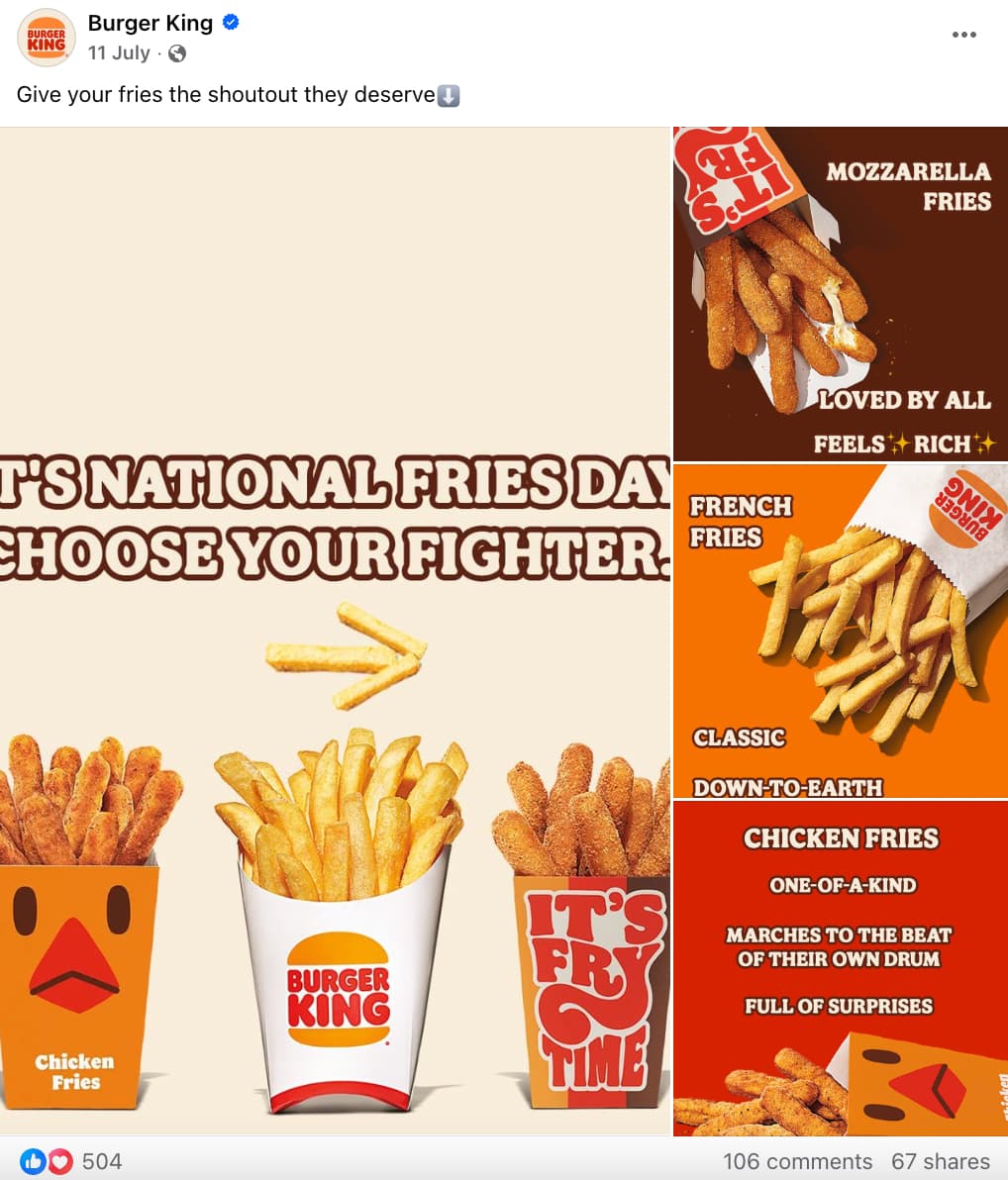
Branded graphics are perfect because they’re so versatile! Use them to share quotes, memes, motivational sayings, relevant tips and more. Burger King makes it fun by sharing graphics portraying different styles of fries for National Fries Day. It encourages the audience to “choose (their) fighter” to drive interactions.

Burger King Facebook post showing several images of different types of fries and their descriptions along with a prompt that reads "It's National Fries Day. Choose your fighter."

Source

5. Tell stories

Get personal with your audience by telling stories that resonate. Brand storytelling is a great way to connect with your Facebook followers on a different level.

Tell stories about how your business came to be or share the challenges of running a business. You can even get your social media manager to have fun with their role and be real about their own jobs (to a point).

These help to humanize your brand, allowing you to build a more personal connection with your audience.

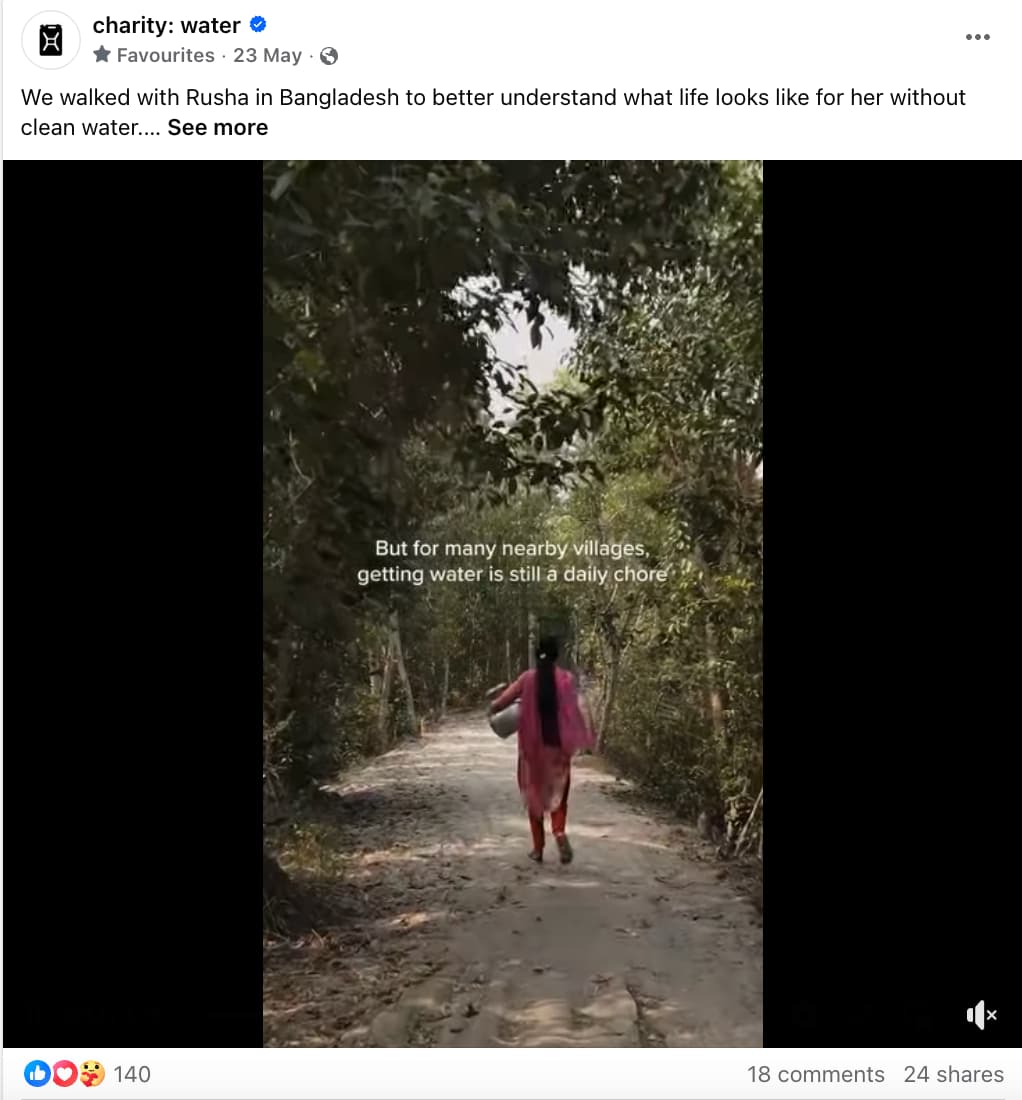
You can also tell other types of stories to leave an emotional impact on your Facebook followers. Charity Water often tells real human stories of the communities the organization is supporting.

Charity Water Facebook post showing a girl carrying a pot on her side walking on a path lined with trees and text overlay that reads "but for many nearby villages, getting water is still a daily chore."

Source

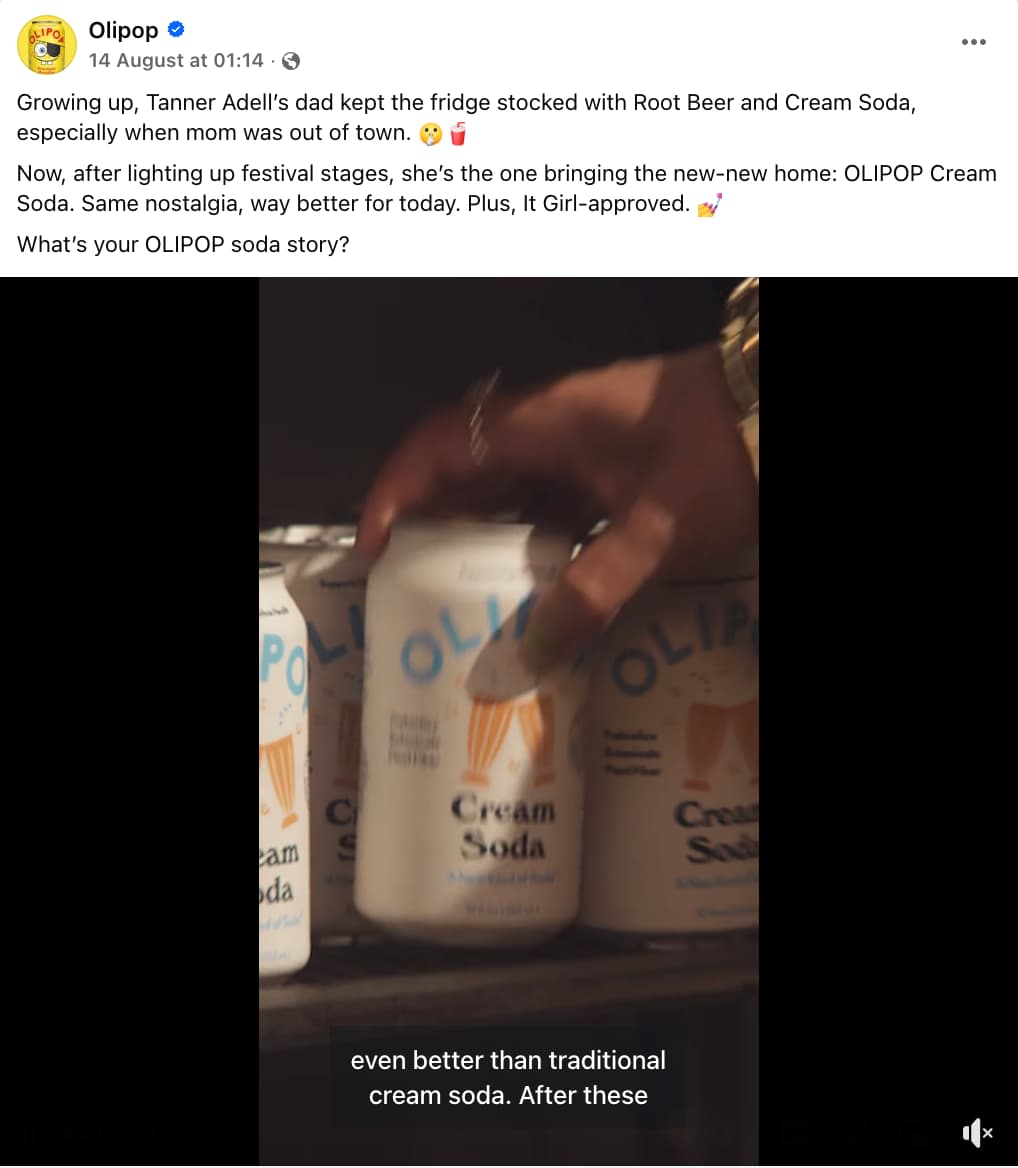
But stories can also be highly impactful, even from a marketing angle. See how OLIPOP tells the childhood story of musical artist Tanner Adell to promote its new Cream Soda flavor.

OLIPOP Facebook post showing hands picking out a can of its Cream Soda from a shelf stacked with other cans and a caption that tells the story of Tanner Adell's childhood.

Source

6. Create more videos

Facebook loves when users post videos. It even dedicates an entire “Video” section to this format.

This is why videos are excellent Facebook post ideas to improve your strategy. The 2025 Content Benchmarks Report even found that video content is gaining traction in certain industries. This includes sectors like retail, consumer product manufacturing and industrial manufacturing.

So having a robust Facebook video marketing strategy is essential, especially for brands in these sectors.

Create videos to educate audiences, demonstrate your products, tell brand stories and more. If it aligns with your brand identity, you can even focus on comedy content to entertain your audience.

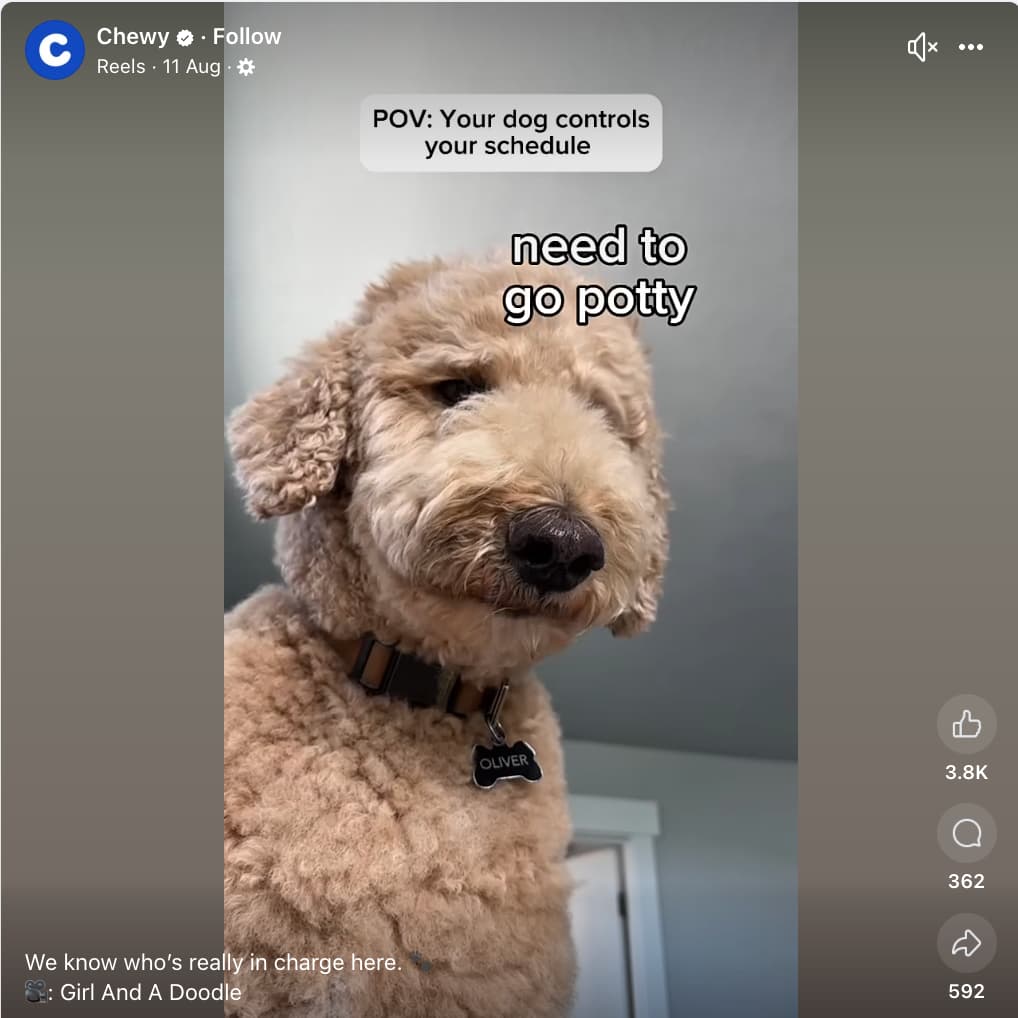
You don’t need a whole video production crew to create video for Facebook either. Brands like Chewy repurpose user-generated videos and influencer content for their Facebook. Similarly, curate high-quality videos from your brand community to create engaging Facebook posts.

Chewy Facebook post showing a labradoodle with an in-video caption that reads "need to go potty" and a text overlay that reads "POV: your dog controls your schedule"

Source

7. Share product photos

This one probably seems obvious. Of course, you want to share your product photos on your business Facebook post.

But you need to level up from generic product shots to make your posts more engaging. Get creative with the way you present and highlight your products. Think about flatlays, themed photoshoots and close-up texture shots. Mood boards and color-coordinated shots are also a great way to make your products look even more appealing.

Here’s a captivating example from Fenty Beauty. Notice the strategic use of props that blend with the product in focus.

Fenty Beauty Facebook post showing several images of an orange-colored lip product against orange backgrounds and placed alongside props of similar colors

Source

8. Create enticing shoppable posts

Take it a step further and turn your product photos into shoppable posts. These are posts with product tags that users can click to get more product info. So your followers can easily find out what the product is, how much it costs and more. If you have a Facebook Shop set up, they can even buy the product directly within Facebook.

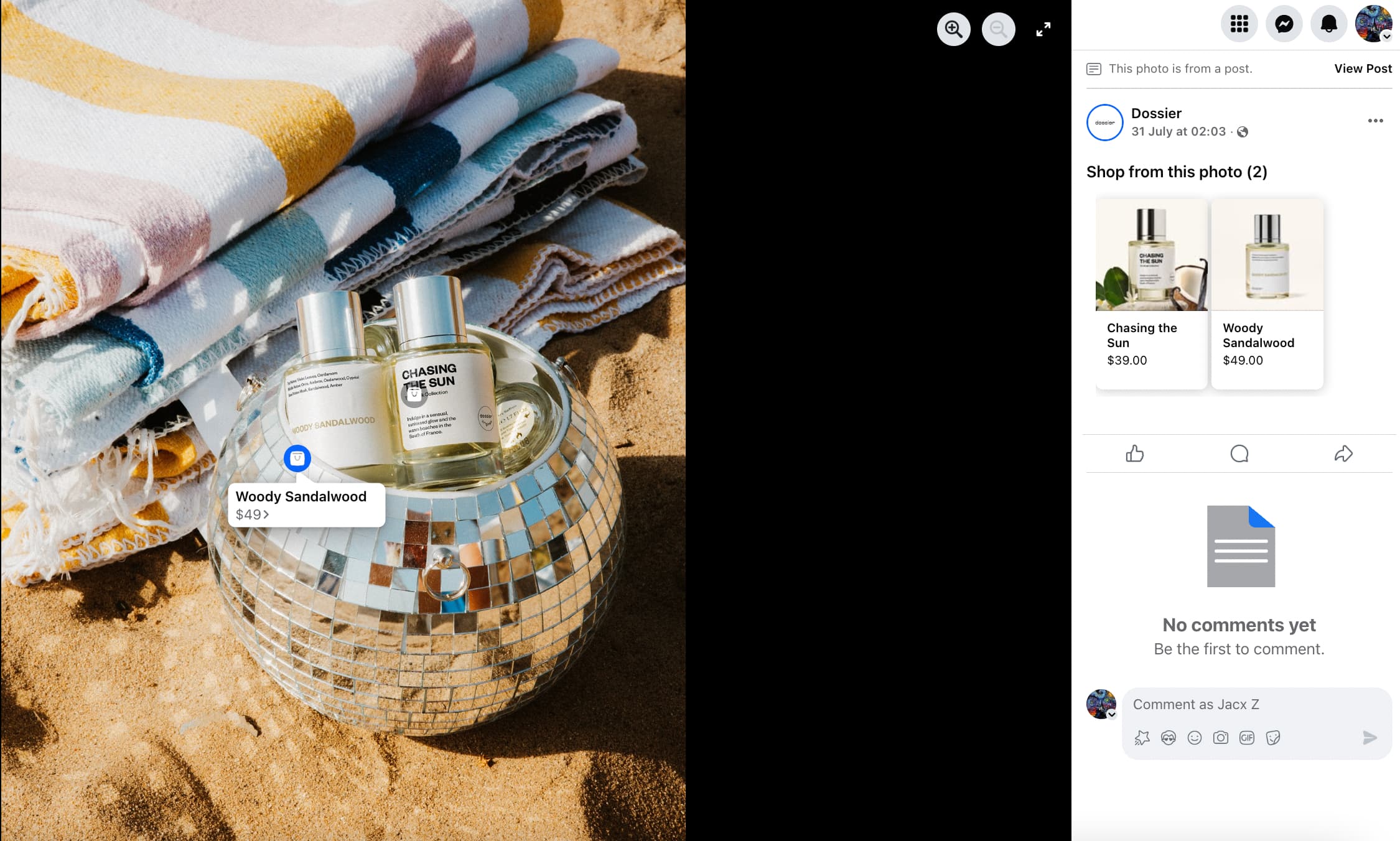
This shortens the buying journey, allowing you to drive more conversions. See how Dossier shares eye-catching visuals with shoppable product tags.

Two bottles of Dossier perfumes placed inside a disco ball on a sandy surface alongisde some striped towels

Source

9. Develop infographics

Infographics are historically known for complex data visualizations. But with the right design, they can also be an engaging Facebook content format. In addition to being visually appealing, they provide value by sharing important information.

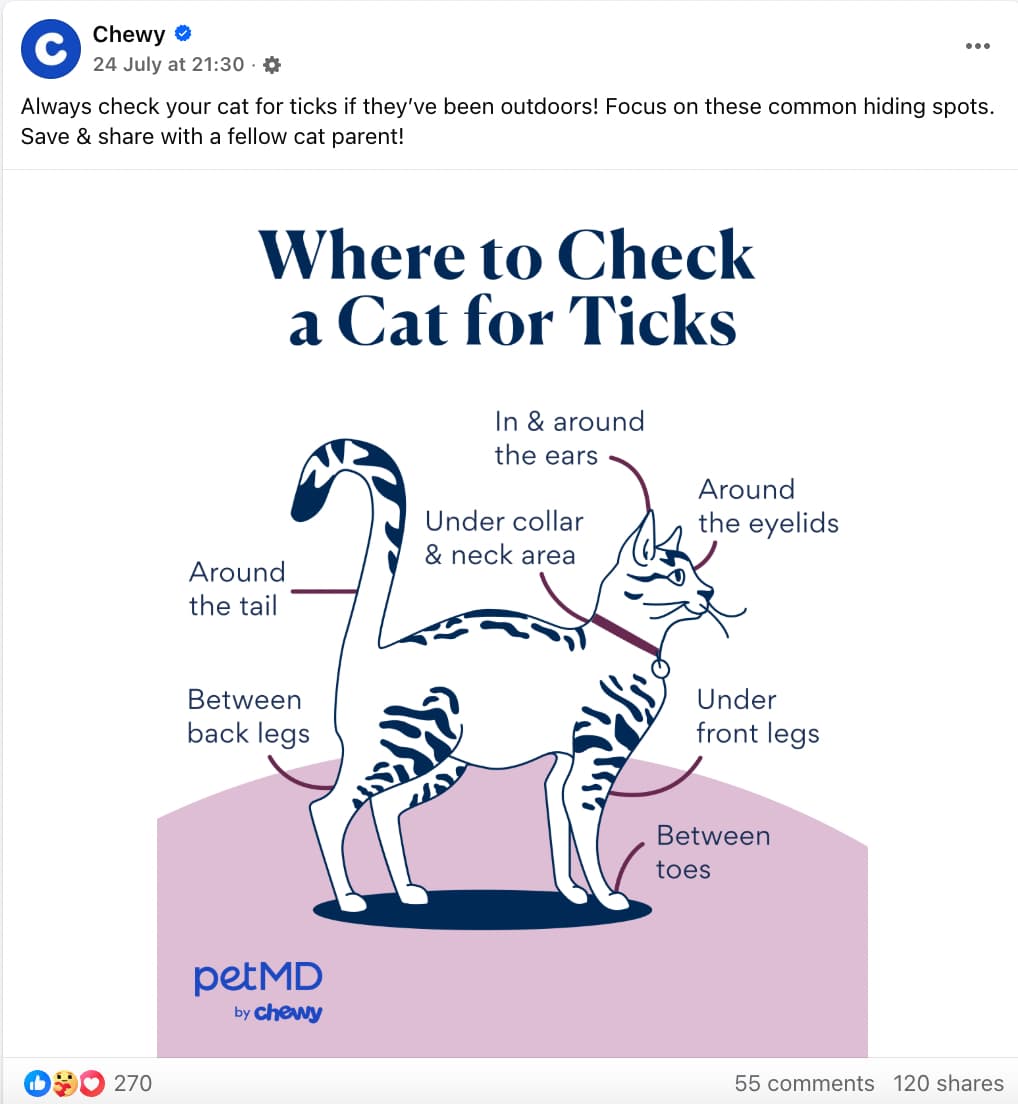
Share your own informational charts and graphs on Facebook to help educate your audience on various industry topics. At the same time, don’t just limit yourself to charts and numbers. Take a cue from Chewy and use infographics to share bite-sized info that would be useful for your community.

Chewy Facebook post showing an illustration of a cat titled "Where to Check a Cat for Ticks" and several lines indicating the areas to check

Source

10. Show your personality

Your business Facebook Page doesn’t have to be all business all the time. In fact, it helps to show some brand personality throughout your posts and post captions.

The best way to honor this content idea while posting on Facebook is to ensure you have brand voice guidelines. So everyone putting together social media content for your company knows how far they’re able to go in terms of personality.

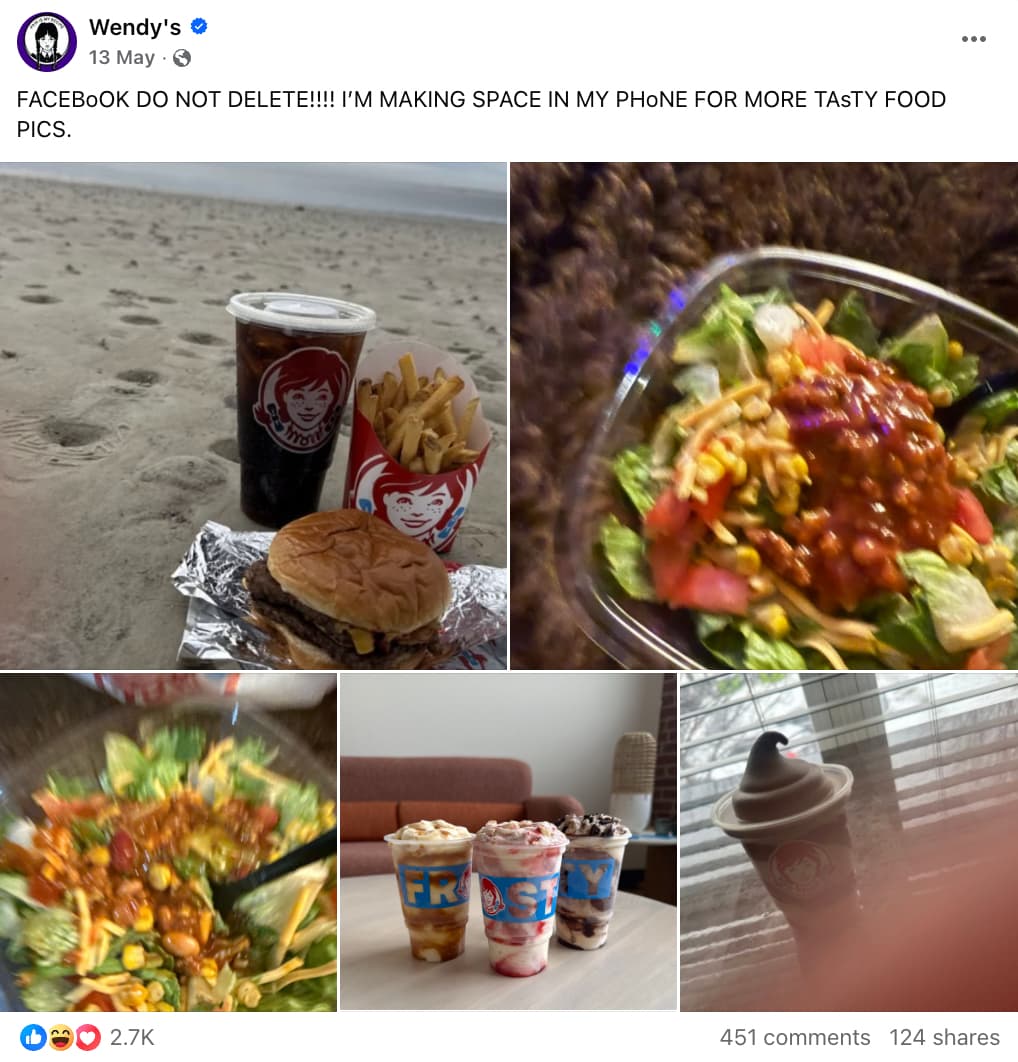
For brands like Wendy’s, unhinged and relatable humor resonates with its Millennial and Gen-Z audience. So the brand isn’t afraid to show off a comical personality through its Facebook posts.

Wendy's Facebook post showing several photos of food and drinks from the chain and a caption that reads "Facebook do not delete!!! I'm making space in my phone for more tasty food pics."

Source

11. Promote blog posts

A tried-and-true Facebook post idea that will never go away: sharing your company’s blog posts.

Doing so helps you keep your Facebook Feed filled with fresh content. This is great for engaging your audience, especially since you’re sharing content that adds value to their lives. It also supports your content marketing efforts as you simultaneously promote the latest posts from your blog.

So your social media marketing and content distribution efforts go hand-in-hand.

PetLab Co. regularly shares the company’s latest blog posts on Facebook. So followers get updates on valuable information about caring for their pets. At the same time, the company gets to maintain a consistent publishing schedule.

PetLab Co. Facebook post promoting a link to a blog post titled "Dog Licking & Chewing Paws? It Could Be a Sign of a Common Issue" and a thumbnail showing a pair of dog paws

Source

While it’s a good idea to share your blog posts on Facebook, make sure to mix things up a bit. Alternate between different content formats, such as graphics, photos and videos to diversify your Feed. So you’re not boring your audience by sharing the same type of content over and over again.

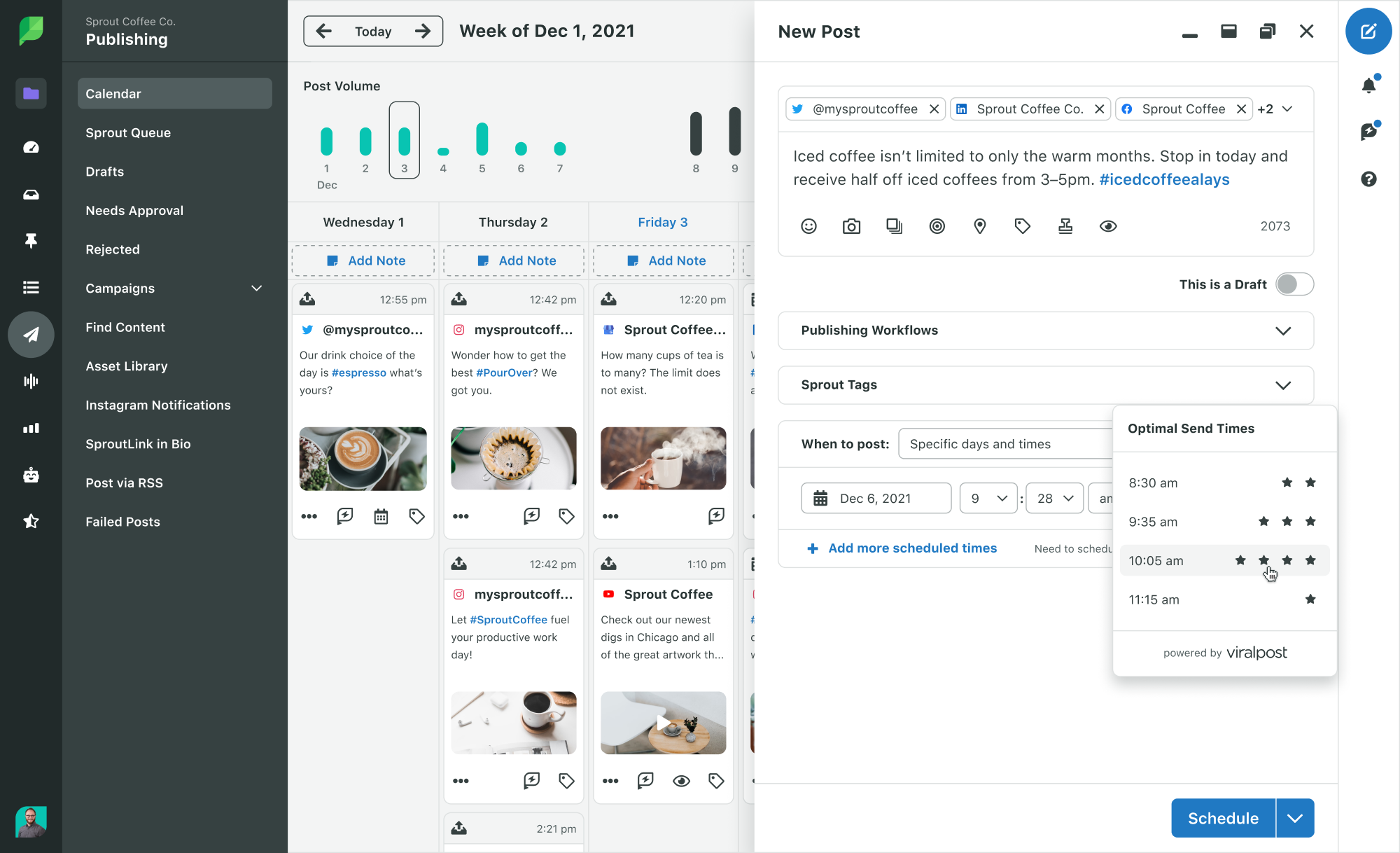
Make the most of Sprout’s content calendar to visualize your content mixture. Then use the drag-and-drop editor to easily switch things up and optimize your content plan.

Sprout Social content calendar showing several thumbnails of drafted posts for the week and an open compose window with a sample post

12. Share industry tips

Sharing tips and tricks of the trade is a great way to increase engagement and reach with your audience. They’re likely always after more intel, so the more you can provide, the better.

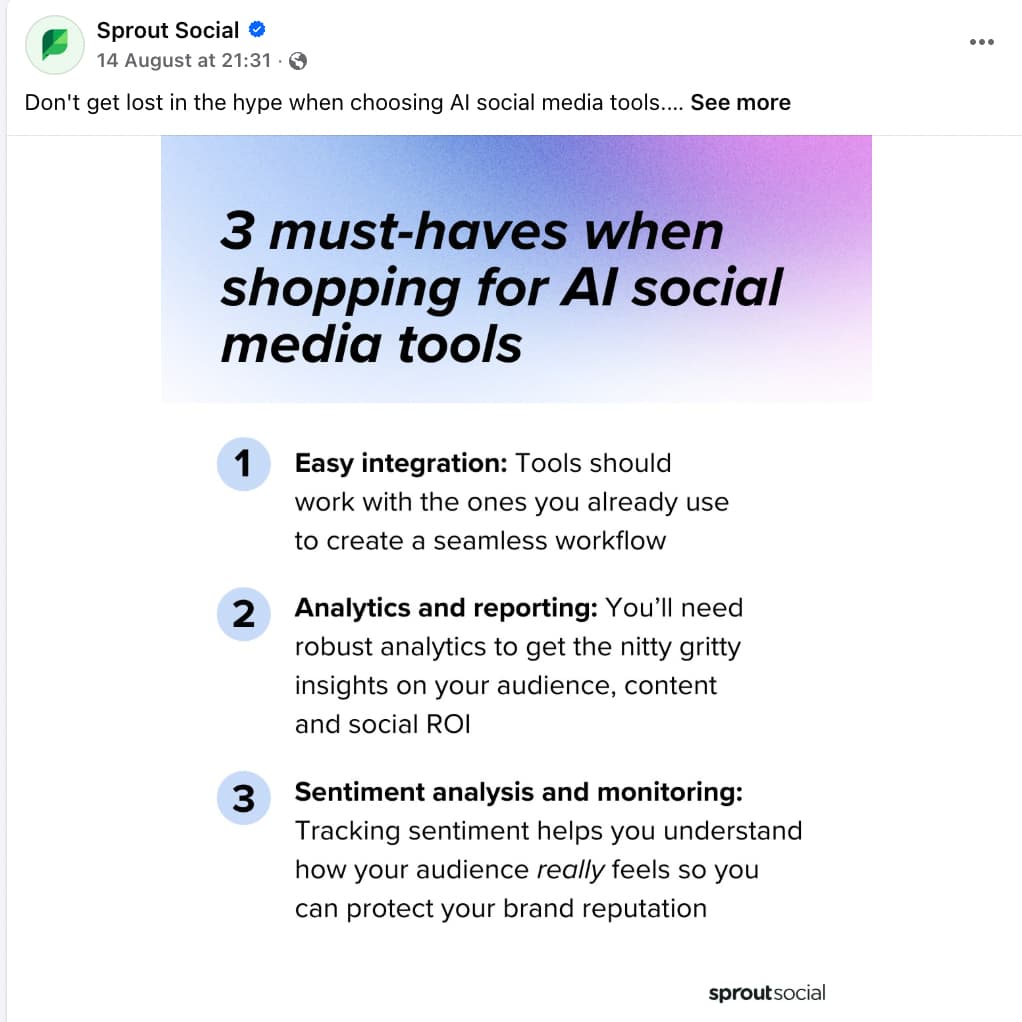
Provide tips, ideas and how-to instructions that will benefit your audience in their daily or professional lives. At Sprout, we regularly create Facebook posts to guide industry practitioners and decision-makers. See the following post where we share three must-have qualities in an AI social media tool.

Sprout's Facebook post showing a graphic with text that reads "3 must-haves when shopping for AI social media tools" and a bulleted list of criteria

Source

13. Create contests and giveaways

Want a surefire way to grab user attention and increase engagement? Host a contest or giveaway that your target audience would be interested in. It’s a great way to increase reach, brand awareness, engagement and overall followers.

We say relevant to your target audience because if you give something like an iPad away, literally anyone could be interested in entering. Instead, if you’re a bodybuilding-focused gym, you might want to select a prize that’s much more niche. For instance, an entry into a local competition or a year’s supply of protein powder.

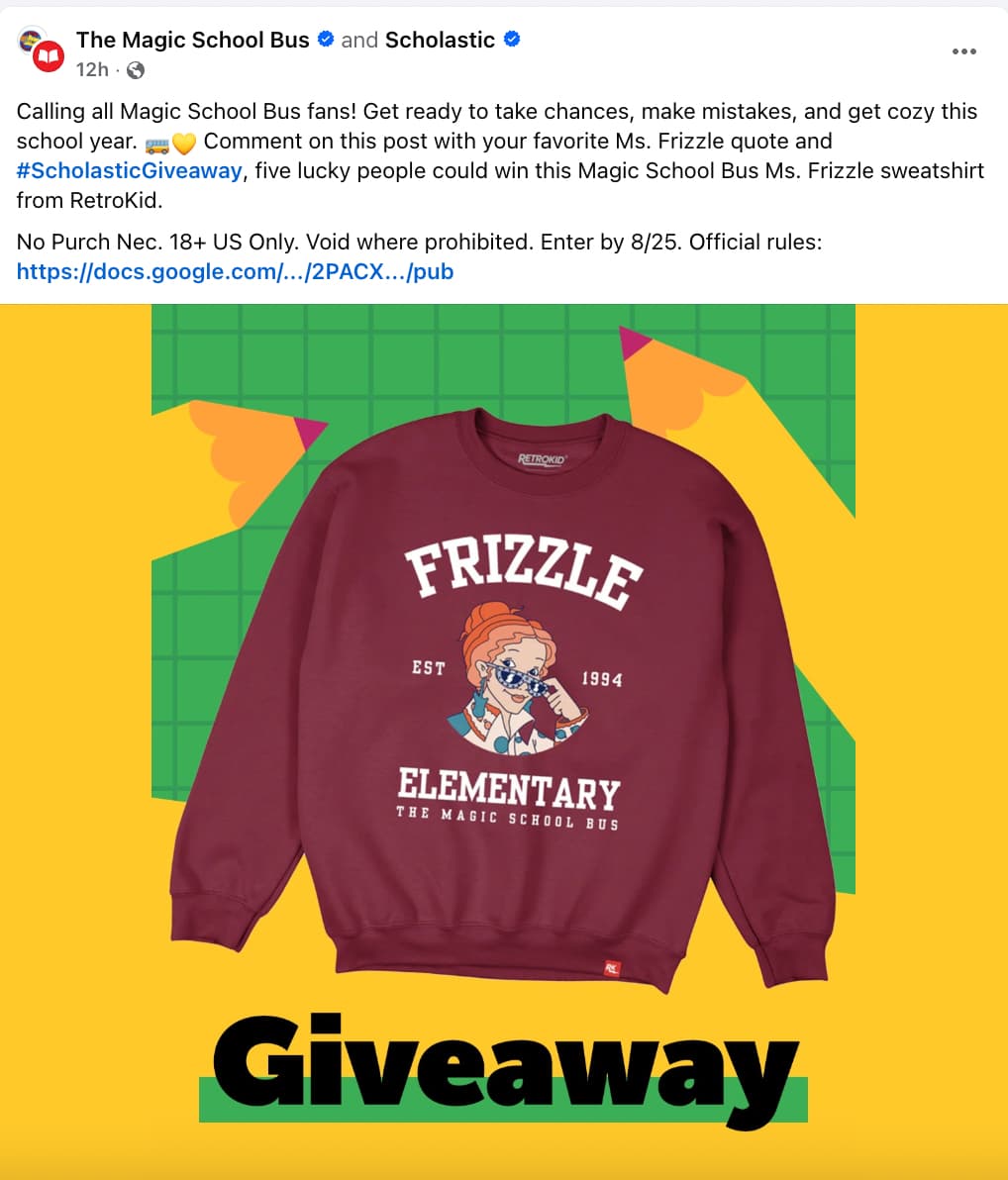
Scholastic and The Magic School Bus collaborated on a giveaway contest where the prize is a Ms. Frizzle sweatshirt. The rules also require participants to share their favorite quote from the iconic fictional teacher. So the people who are most likely to participate are those who are actual fans of the cartoon.

collab post between The Magic School Bus and Scholastic showing a deep red sweatshirt with a picture of Miss Frizzle in the front and text that reads "Giveaway" with a caption describing the rules

Source

The best prize for a contest or giveaway is product or a subscription to your service. But if your business runs a bit differently, consider what else only your specific audience would be interested in.

14. Promote discounts and sales

In the same vein, share any major sales or offering discounts you may be running. This can be especially fun if you create flash sales or Facebook-only discounts for your followers. It’s a great way to reward people for liking your Facebook Page.

Because this type of content also converts well, discount and sale alert posts are great ideas for promoting on Facebook as well.

Spoonflower shared an enticing Facebook post promoting the website’s summer sale.

Facebook post from Spoonflower showing several patterns and products with text overlay that reads "up to 30% off sitewide"

Source

15. Post at optimal times

One of the best Facebook posting tips is to get your timing right. Make sure you share your posts at times when your audience is online and engaged, or you could miss out on a lot of interaction.

Sprout’s Facebook integration makes it easy to perfect your post timings. You can schedule your posts to automatically publish at your audience’s most active times. That means: no more setting alarms to manually push out posts and no more forgotten drafts.

It even suggests Optimal Send Times based on how your audience has interacted with your content. This takes the guesswork out of planning your publishing times, helping you drive more engagement.

Sprout Social compose window showing a drop-down menu of Optimal Send Times

Start a free Sprout Social trial

16. Test various posting frequencies

When it comes to social media marketing, there’s no one-size-fits-all strategy for every business.

There may be some overarching best practices that apply to everyone. But beyond this, there will always be some content ideas and tactics that work better in some industries over others.

This applies to your posting frequency as well. While some brands may benefit from posting less, others might need to post multiple times a day. That’s why it’s a good idea to test different posting frequencies to see what works for your business and your audience.

Understanding audience preferences and behaviors through Facebook monitoring can enhance your audience engagement.

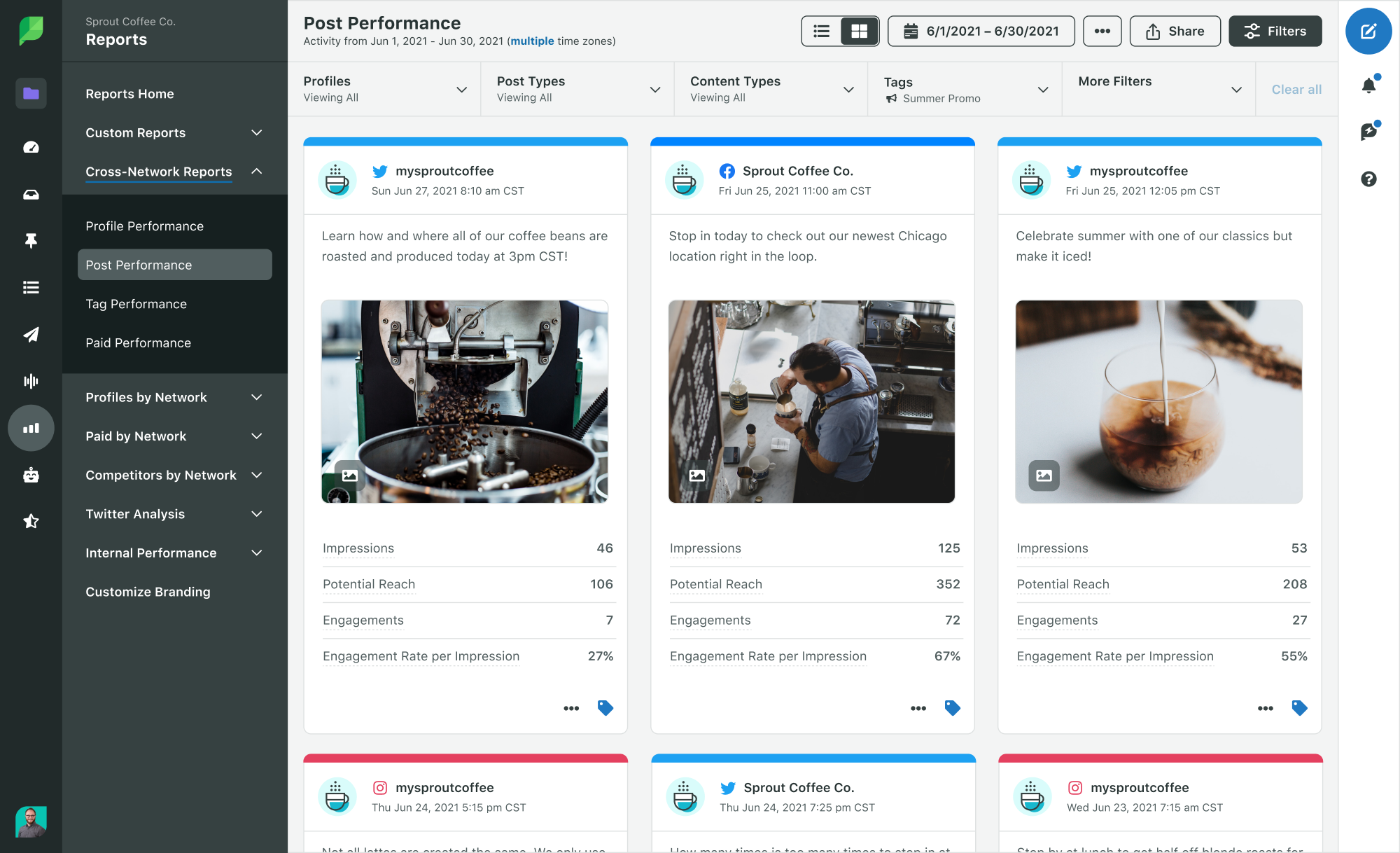
Use the Post Performance Report on Sprout to understand how your Facebook posts are performing. See how the metrics change as you experiment with different publishing frequencies. This will help you figure out the ideal number of posts to drive more visibility and engagement.

Sprout Social Post Performance Report showing several social media posts with thumbnails and their performance metrics

Turn these Facebook posting tips into a powerful strategy

The content ideas and posting tips shared above should give you a head start to create engaging Facebook posts. Want to put them to the test? Use Sprout’s scheduling and management tools to perfect your timing and manage all your content in one place. Get started with a free 30-day trial.

The post 16 Facebook posting tips to increase engagement appeared first on Sprout Social.


from Sprout Social https://ift.tt/m2Zd7yz
via IFTTT
29 YouTube video ideas to spark inspiration for your channel

YouTube isn’t just a video platform; it’s an engine for building your brand, connecting with your community and boosting your bottom line. But for a lot of creators and marketers, the biggest challenge of YouTube marketing isn’t creating the content. It’s deciding what to make in the first place.

If you’re looking for a jolt of inspiration, you’re in the right place. We’ve curated a list of 29 YouTube video ideas designed to help you create a steady stream of content that your audience will love.

How to come up with good YouTube video ideas

Did you know that good YouTube ideas aren’t random at all? The best ideas sit where these three things overlap:

  • What your audience already watches
  • What the YouTube algorithm pushes
  • What your brand can say better than anyone else

That sounds complex. But all you need to do is get organized and look in the right places to come up with dozens of video ideas relevant for your brand.

Here’s what you need to do:

  • Dig into your YouTube analytics: Look at watch time, retention and click-through rates to see what’s actually holding attention. Notice the patterns (e.g. hooks, topics or formats) that consistently work, then keep building on them.
  • Bring in customer intel: Your audience is already telling you what they want, even if not directly. Check support tickets, sales call notes and social comments. Turn questions into tutorials, objections into comparisons and success stories into case studies.
  • Analyze the competition: Pick a few competitor channels and study what’s working for them (and find gaps). If a video gets more views than average, it’s a sign the topic has legs. You can bring your own perspective and examples to make it even stronger.
  • Understand YouTube’s content formats: Shorts are great for quick discovery, long-form videos for depth and Lives for interaction. Use each format intentionally and create paths that guide viewers from a quick watch into your deeper content.
  • Build an idea matrix: Think of it as your content generator. Combine a format (demo, tutorial, reaction) with a buyer stage (awareness, consideration, decision) and a key topic in your niche. You’ll have a list of ideas that are relevant and on-brand.

What about non-brands? For creators, the play is the same with faster loops. Use weekly polls, ship quick tests and let comments guide your next upload.

29 YouTube video ideas for brands

Fresh content is the fuel that keeps a channel growing. The more you stay on-brand while still providing variety, the easier it is to hold attention and stand out.

This lineup mixes proven formats with creative angles so you’re never stuck staring at a blank content calendar again.

20 good YouTube video ideas for brands

1. Go behind the scenes

Behind-the-scenes (BTS) content is a cornerstone of an authenticity-first strategy.

It gives your audience an exclusive look at the work that goes into your brand, which helps build trust, intrigue and a deeper connection.

This approach isn’t just for showing the production of an ad; it can follow a product from its initial design sketch to final shipment. Or for a software company, it could feature a team brainstorming a new feature.

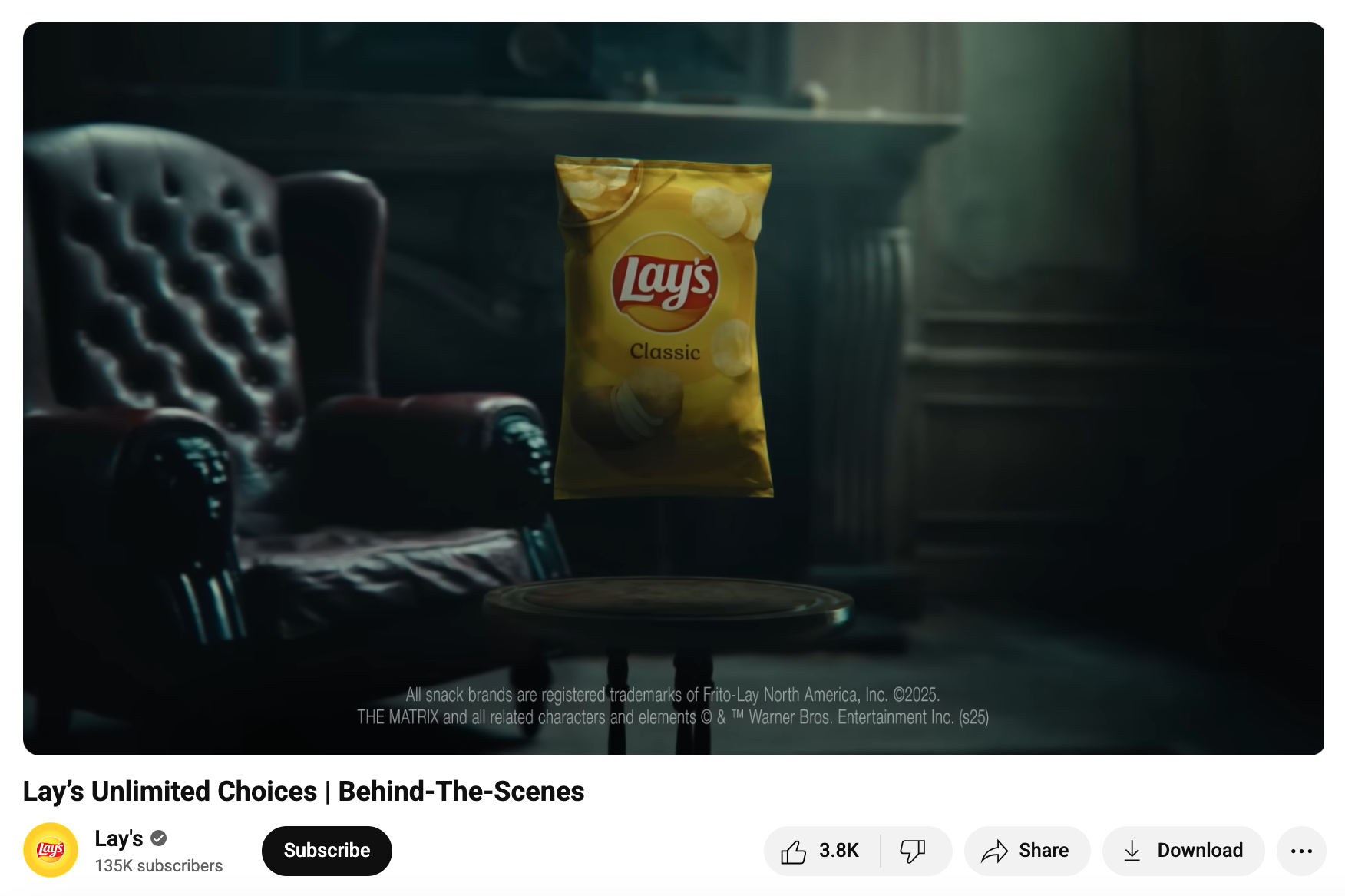
Lay’s went even further by making a BTS video about the production of its recent Lay’s Unlimited Choices commercial with comedian Keegan-Michael Key:

Lay's behind the scenes YouTube video

This video style doesn’t just show the product—it showcases the passion and effort behind it, which is an impactful way to engage your audience and build brand loyalty.

2. Show your product in action

Instead of just telling people what your product does, show them. Walk viewers through key features, demonstrate benefits and give real-world use cases.

This approach is particularly effective for B2C brands with tangible products. Instead of a standard product shot, a video that shows your product being used by a real person in a relatable setting makes the benefits tangible.

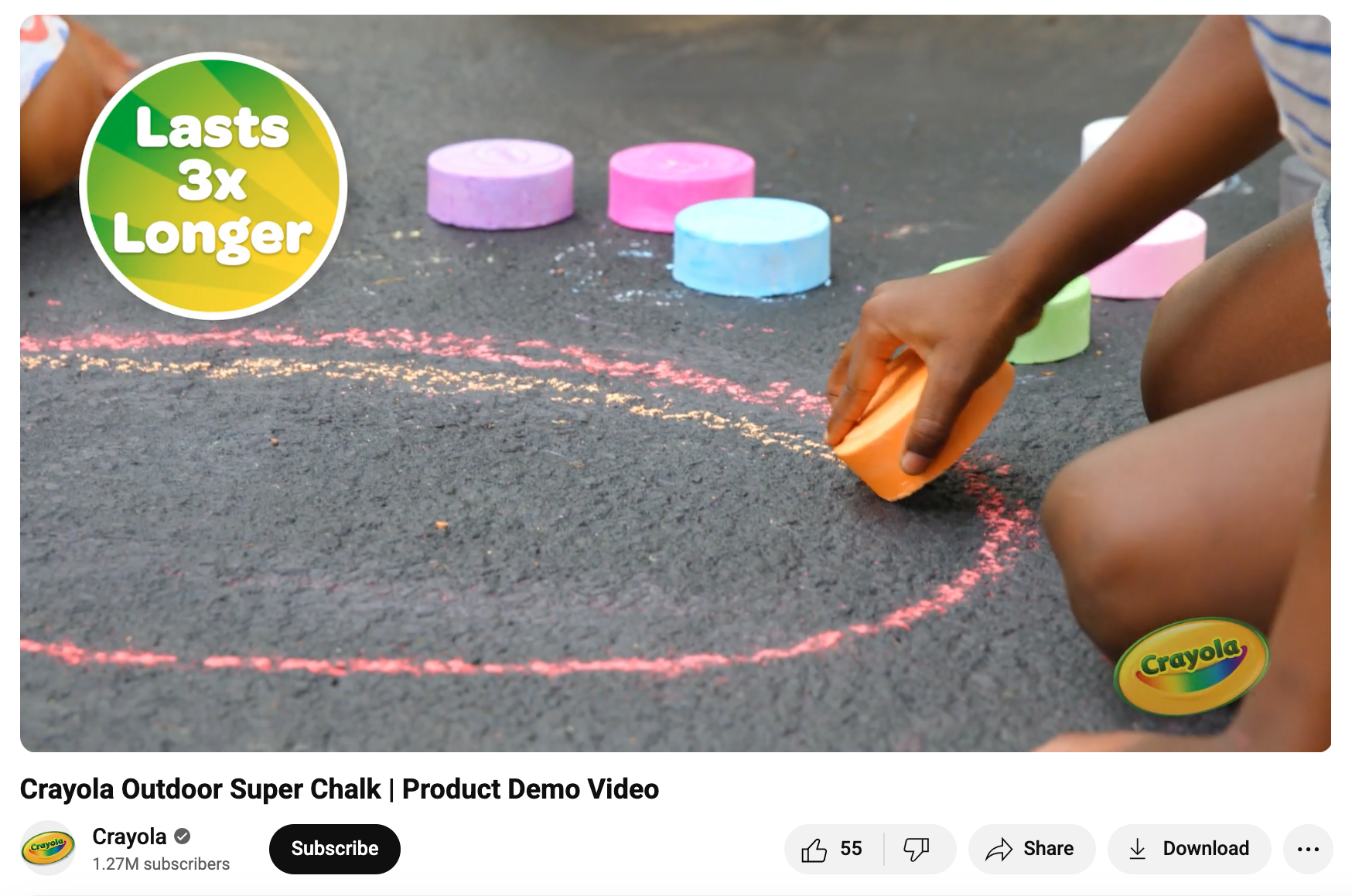
Here’s Crayola nailing it with their Outdoor Super Chalk video:

Crayola Outdoor Super Chalk product demo YouTube video

The more visual and hands-on you can be, the better. Demos are especially striking for complex products because they break down barriers to purchase.

3. Create a tutorial or “how to” video

Tutorials are a staple for a reason: they provide immediate value. These videos are an excellent way to not only drive views but also establish your brand as a trusted resource.

Educational videos do position your brand as the expert. But they don’t have to be dry either. Make them engaging with storytelling, examples and visuals.

If you’re a home improvement store, teach how to install a light fixture. If you’re a SaaS brand, walk through a workflow your software makes easier.

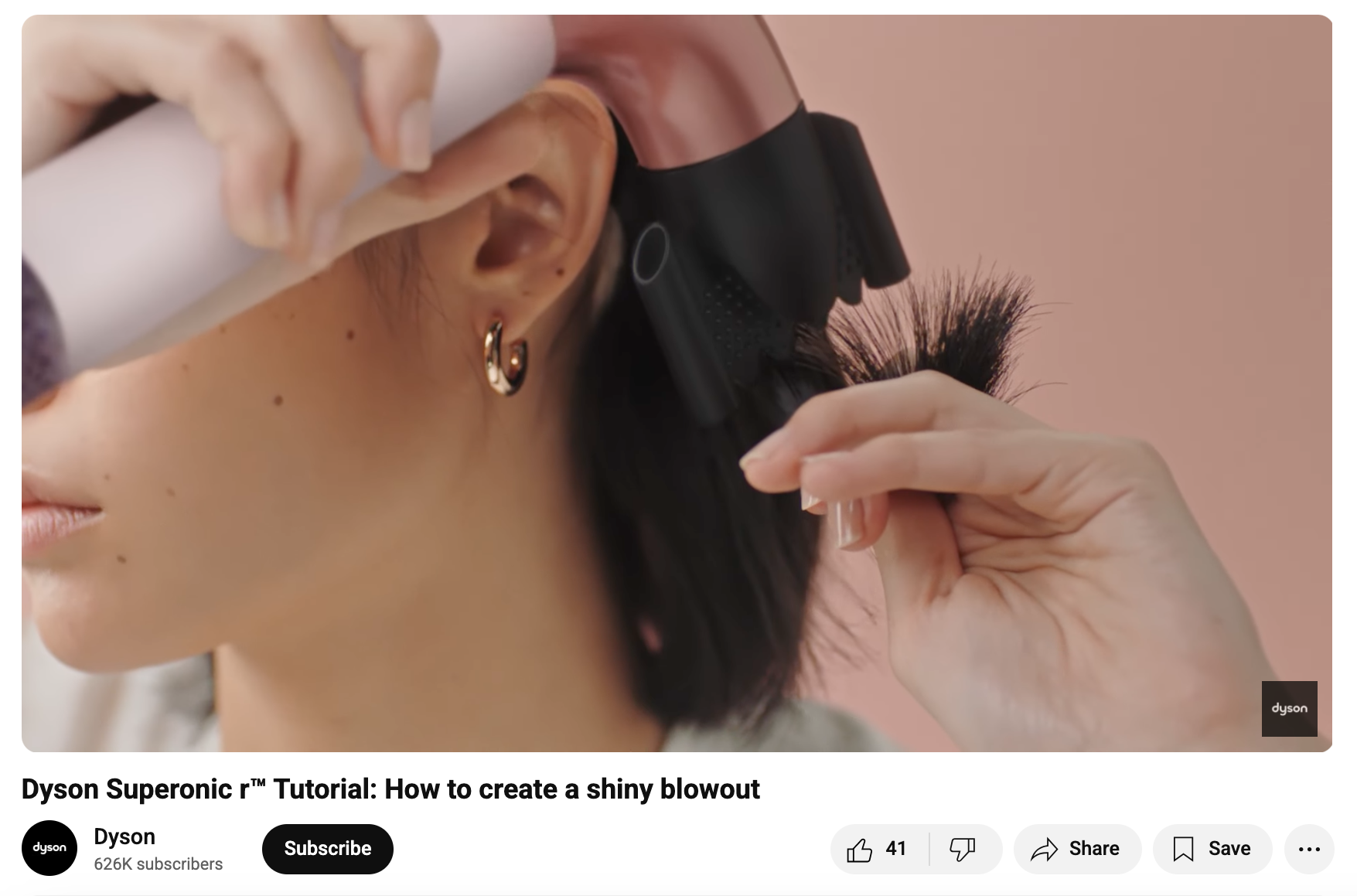
Dyson creates short, cinematic tutorials for some of its hair styling products, like the Superonic r™:

Dyson product tutorial YouTube video

4. Share customer stories

These videos are essentially video testimonials on steroids.

They’re not just a quick quote; they’re a full-fledged narrative that builds empathy. A great customer story will focus on the customer’s journey, from the pain point they were experiencing before your product to the positive outcome they achieved after.

Check out this customer story video from Salesforce:

Salesforce Heathrow customer story YouTube video

This human-centered approach makes your brand more relatable and proves that your product isn’t just a tool—it’s a solution that has a real impact on people’s lives or businesses.

5. Talk about industry trends

For social media marketers, being on top of social trends is essential. Creating content around this can position your brand as a thought leader and a valuable resource.

Don’t just report on the trend; add your unique perspective. For instance, a social media management platform could analyze the latest TikTok algorithm change and offer strategic advice on how marketers can adapt their content for success.

This kind of video content shows you’re not just selling a product, you’re invested in your audience’s success.

6. Recap your events

Event recaps are great for extending the life of your marketing efforts and reaching a wider audience than those who attended. They serve as impactful social proof of your brand’s relevance and influence.

By highlighting key speakers and takeaways, you’re not only showcasing the event but also providing snackable, educational content that can be shared across multiple platforms.

Consider also capturing soundbites from attendees about what they learned, as this adds an extra layer of authenticity and social proof.

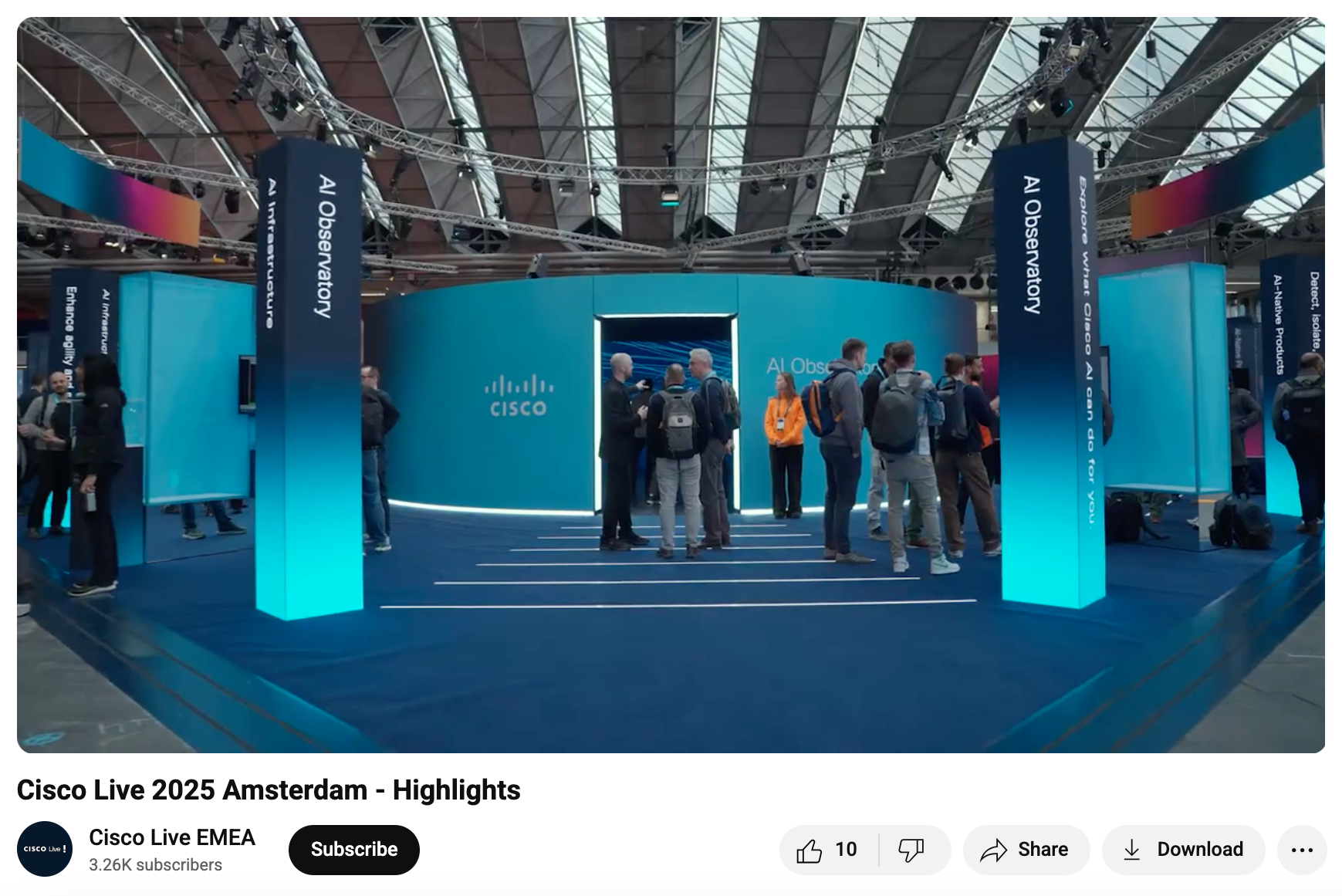
Here’s one from Cisco’s Amsterdam event:

Cisco Amsterdam 2025 event highlights YouTube video

Event recap videos can also double as promotional material for your next event. Keep the pace snappy so viewers don’t zone out or feel left out.

7. Spotlight your team

In an increasingly digital world, humanizing your brand is more important than ever. Social media marketers know the power of brand authenticity.

Team spotlights are a fantastic way to show the people behind the products and campaigns. You can interview team members about their role, their day-to-day or even their favorite customer story.

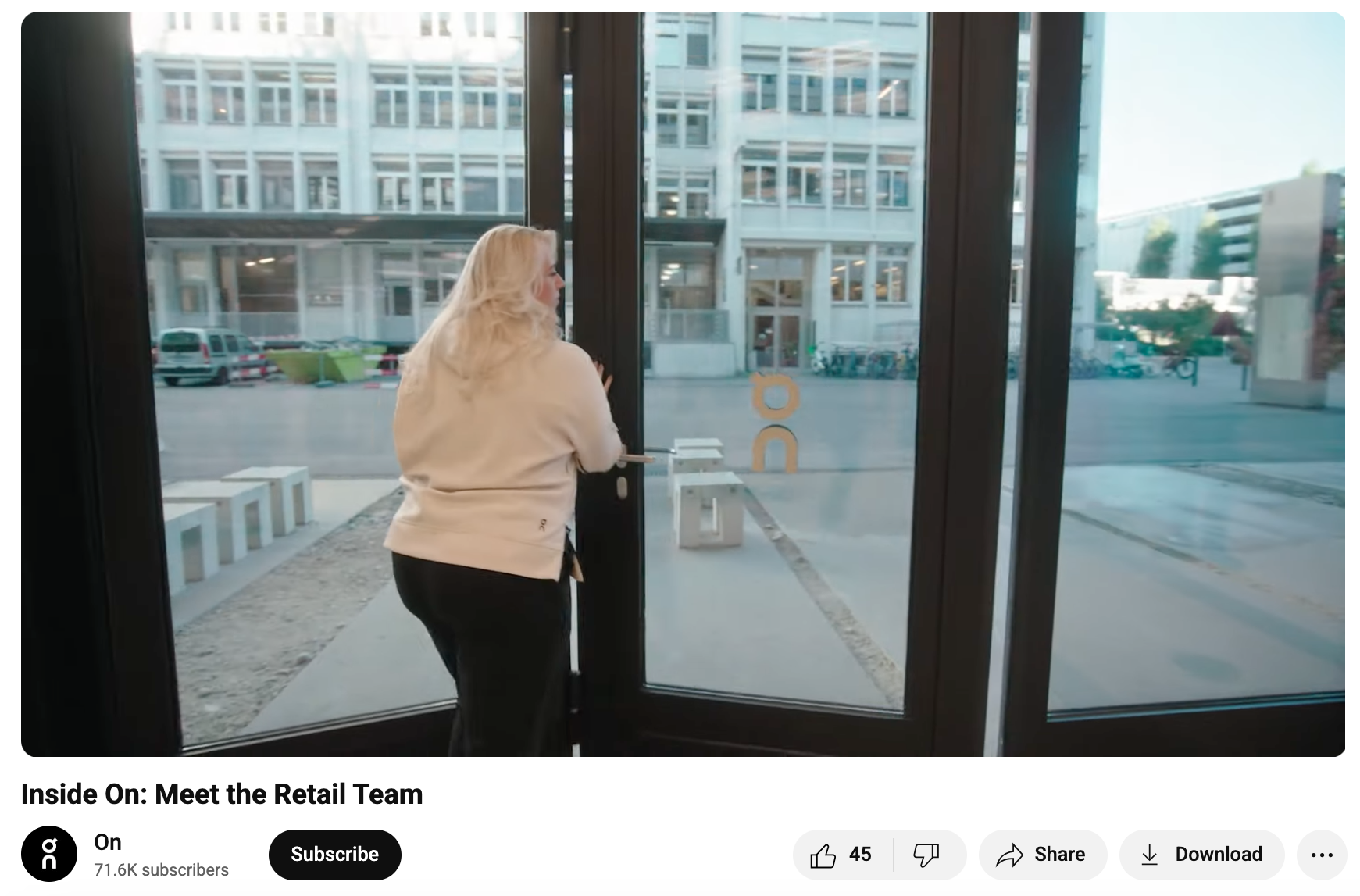
We love this “Meet the Team” video from On:

On meet the retail team YouTube video

This builds trust and rapport with your audience and can also be a valuable tool for recruiting top talent.

8. Tell your brand story

Think of your brand story as an emotional connection, not just a historical timeline.

A video is a crucial way to share this identity content and explain your brand’s “why.” When you frame your story with a hero’s journey—detailing the challenges and triumphs that led to your brand’s inception—you build more than just an audience.

You create brand loyalty and give people a reason to care about your mission beyond what you sell.

9. Answer FAQs on camera

Answering common questions in a video format is a highly strategic content play.

This approach helps your customers while also optimizing for search.

Because people often type questions directly into YouTube, a clear and concise video answer can be a good source of organic traffic. This also creates a versatile bank of content that’s perfect for sharing on social channels or linking in email campaigns and help center articles.

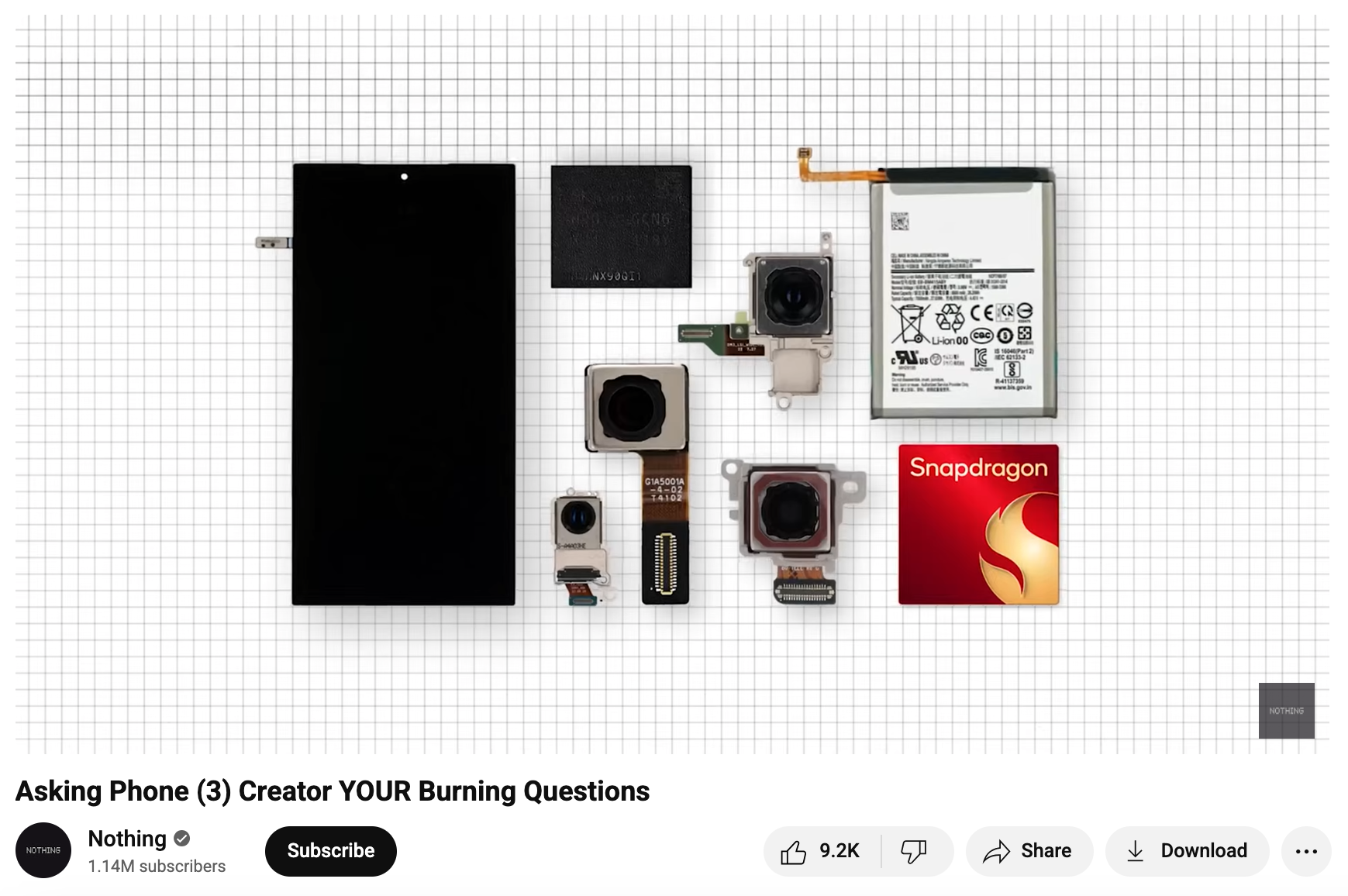
Here’s a nicely done FAQ video from Nothing:

Nothing FAQ YouTube video

10. Make product comparison videos

Product comparison videos is a high-value content strategy for your marketing funnel.

It directly addresses a key barrier to purchase: customer research. By creating an honest comparison video, you’re acting as a trusted consultant, not a pushy salesperson.

Highlight how your product solves a specific problem better than the competition, using clear, quantifiable examples. The key is to focus on your product’s strengths rather than a competitor’s weaknesses. This builds credibility and trust with your audience.

If you pick the right products and know your target audience inside out, you can make extremely convincing videos without overtly bashing the competition.

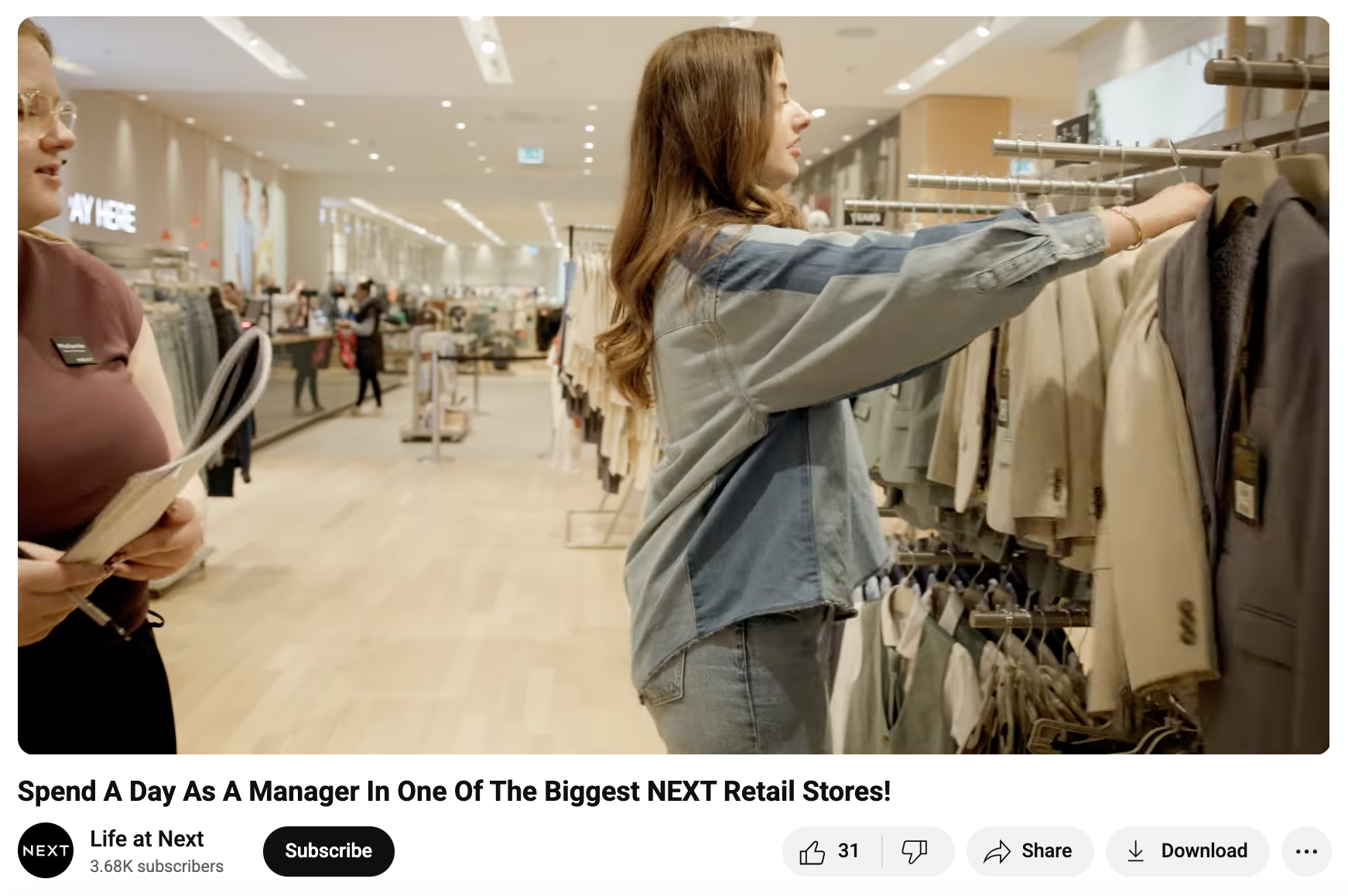
11. Film a “Day in the Life”

Day-in-the-life videos are an effective way to bring your brand to life.

This format is perfect for showcasing your company culture and offering a candid glimpse into your operations. It can also serve as a great tool for employer branding and recruitment.

When it features a customer, it acts as a very authentic form of social proof, showing your product seamlessly integrated into their daily routine.

As an example, here’s a day in the life video from NEXT.

NEXT day in the life of a manager YouTube video

12. Feature your customers’ content

User-generated content (UGC) is the ultimate form of social proof. Featuring it on your YouTube channel is a strategic way to build community and show genuine appreciation for your customers.

This has the potential to be a content goldmine.

You can create a “best of the month” series or a themed UGC compilation video. It not only provides authentic, low-cost content but also motivates your audience to create more content for you, which is a win-win.

Encourage more submissions by creating a hashtag and mentioning contributors in your video description.

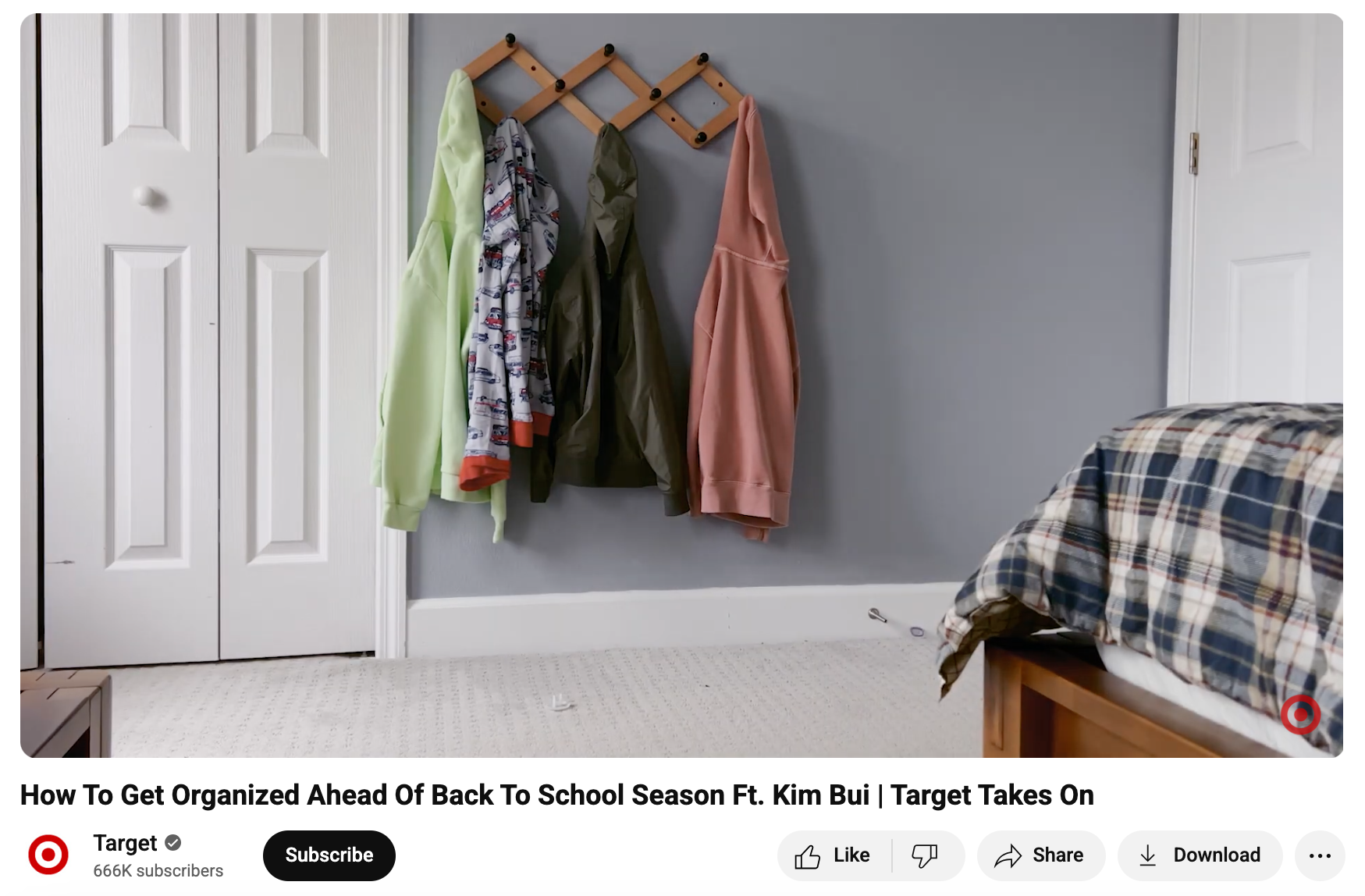
13. Create seasonal content

Seasonal content provides a natural opportunity to leverage cultural moments and popular search trends.

This is a great way to plan your content calendar in advance.

Beyond just holidays, think about events like the Super Bowl, back-to-school season or even a changing of the seasons. A brand could create a “summer essentials” video or a “cozy fall reads” list. It’s about making your brand relevant and timely in your audience’s lives.

For example, Target partnered up with Kim Bui for this back-to-school video:

Target back to school YouTube video

Seasonal videos feel timely and give you creative angles throughout the year, which makes them a great recurring content bucket.

14. Collaborate with others

Collaborations are a cornerstone of modern social media strategy.

If you haven’t done them yet, collaborations can introduce you to entirely new audiences and add fresh perspectives to your YouTube content strategy.

By partnering with a relevant influencer, you’re gaining access to an established and trusting audience. It’s crucial to find a partner whose audience aligns with your brand values and target demographic.

The best collaborations feel less like an ad and more like a natural conversation between two trusted voices.

15. Make satisfying timelapses

Timelapses are perfect for short-form content on platforms like Reels or TikTok, but they also work beautifully on YouTube.

They can be used to showcase a complex process, like the creation of a product or a fun transformation, like an office redecoration.

Here’s a cinematic timelapse construction video of Rayner’s global HQ.

Rayner global HQ construction timelapse YouTube video

The satisfying, quick-paced nature of these videos makes them highly shareable and effective at grabbing attention.

16. Share your CSR initiatives

Corporate Social Responsibility (CSR) is a key brand differentiator.

This type of content is crucial for showing your brand’s values in action, which is something that modern consumers increasingly care about.

A video about a CSR initiative should focus on the impact, not the promotion. For example, instead of just showing the volunteer day, show how your brand’s donation helped a specific community or how a sustainability project is helping the environment. This builds brand reputation and loyalty.

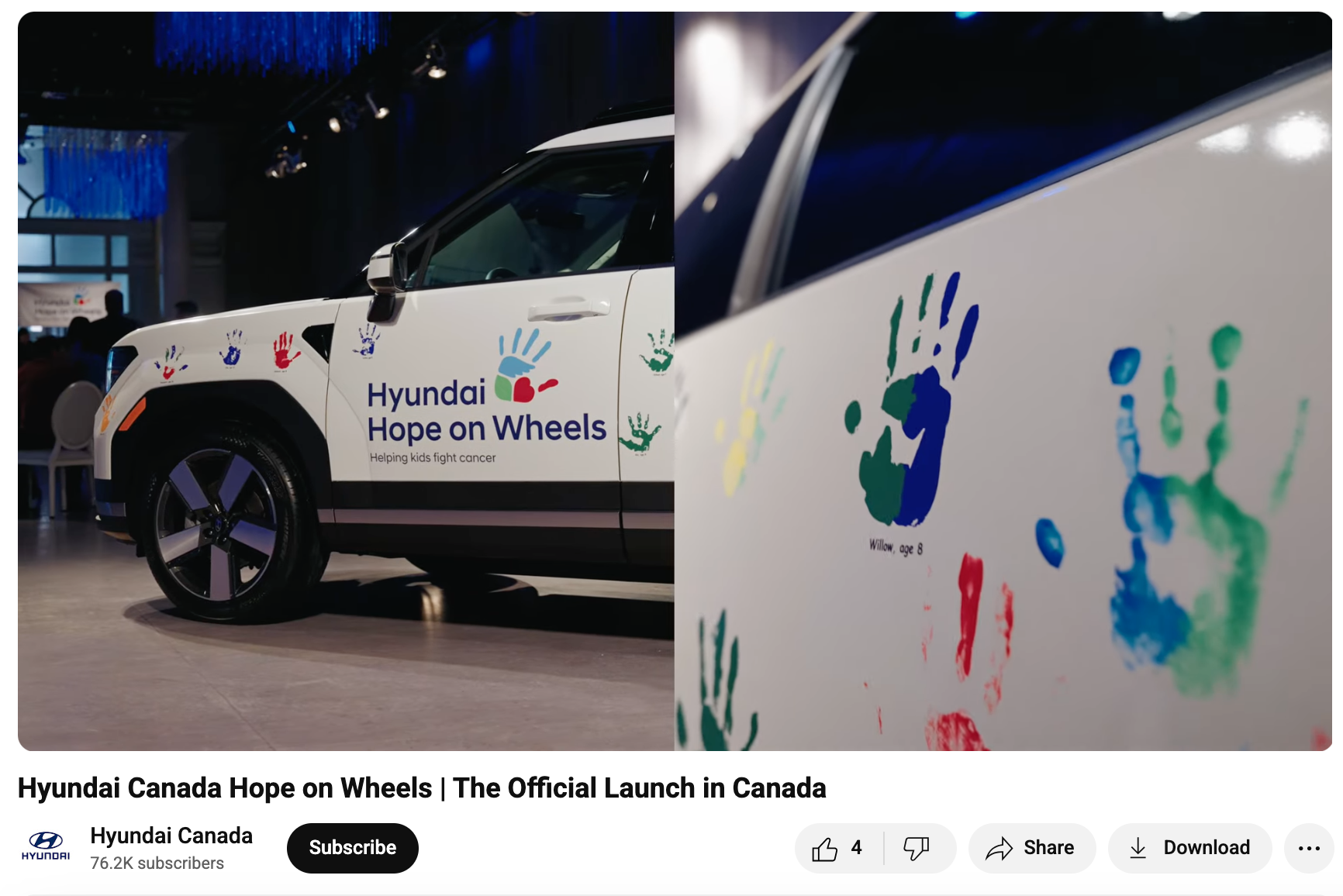
Here’s a heartwarming video from Hyundai Canada about their Hope on Wheels initiative:

Hyundai Hope on Wheels CSR initiative YouTube video

17. Show your office or store makeover

This is a fun way to use video to tell a compelling story.

Marketers know that people love transformation content. By documenting the process, you create a sense of anticipation that encourages viewers to subscribe and follow the journey.

This is a great opportunity for behind-the-scenes footage and can also be used to showcase the brand’s culture and personality. The “wow” reveal at the end is a an energetic moment that can generate lots of engagement.

18. Host live Q&As or polls

YouTube Live streams are a direct line to your audience, providing real-time engagement and feedback.

Use these to conduct live market research, get direct feedback on new product ideas and build a stronger, more personal connection with your community. The interactive nature of live videos makes your audience feel heard and valued, which is a strong driver of brand loyalty.

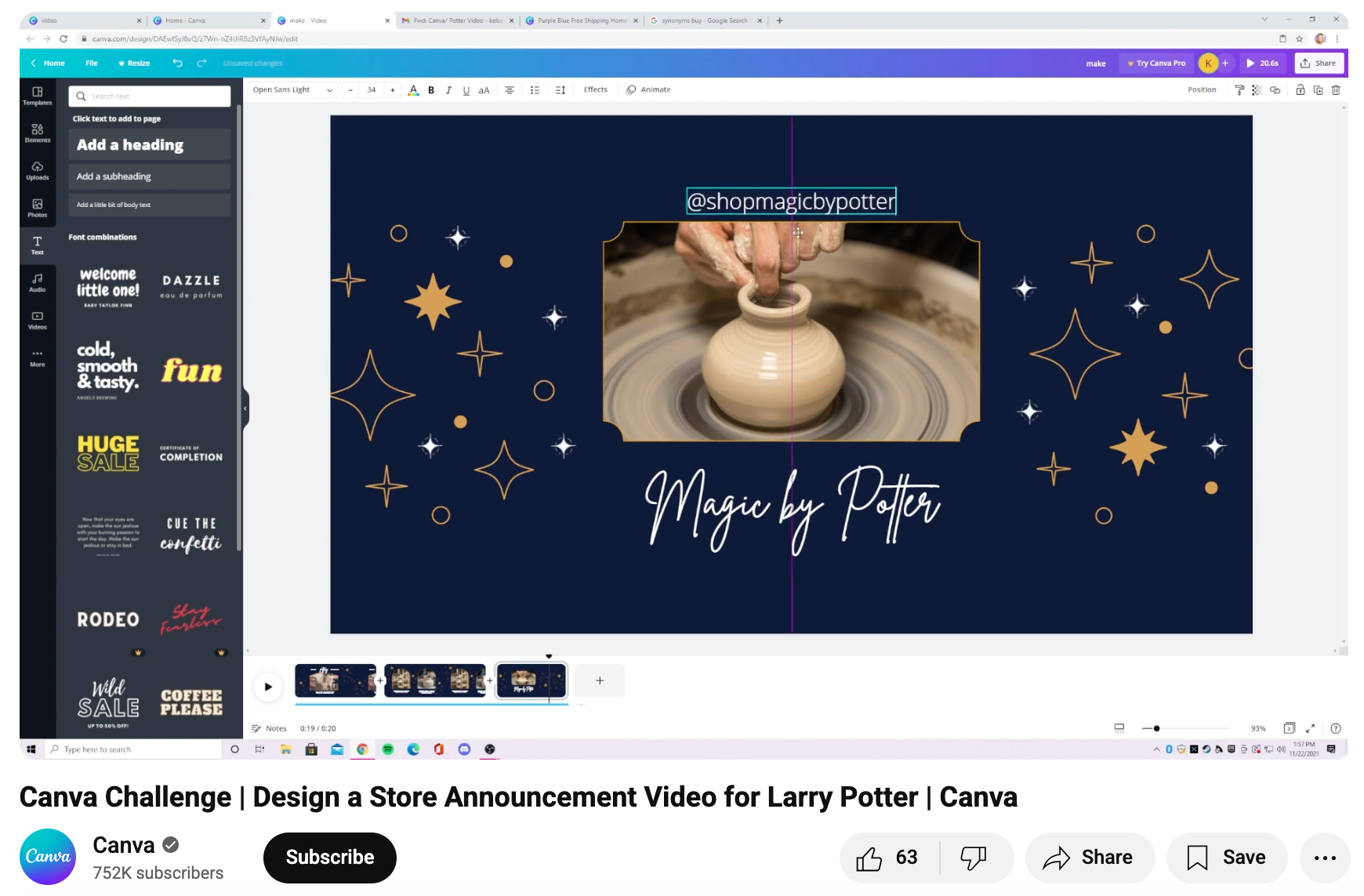
19. Try a challenge or experiment

Challenges and experiments are a great way to get creative and show a more playful side of your brand.

This content can be a powerful way to go viral and reach a new audience. It’s about being authentic and showing that your brand is willing to take risks and have fun.

Canva shows how even SaaS brands can do this well:

Canva Challenge YouTube video

The best part is, even if the experiment “fails,” the video in most cases can still be a huge success because of the entertainment value and the authenticity it shows.

20. Bust common myths

Myth-busting videos are an excellent way to position your brand as a trusted authority. By providing clear, factual information, you’re you’re building credibility.

This is particularly effective for B2B brands and those in complex industries. It allows you to educate your audience, correct misinformation and showcase your expertise in a way that is both engaging and valuable.

3 trending YouTube video ideas

1. Make reaction videos

Reaction videos are a fantastic way to leverage trending topics and cultural moments without creating a brand new concept from scratch.

This is a low-effort, high-reward strategy. It allows you to tap into existing hype and show your brand’s personality and sense of humor. When a brand’s reaction video feels genuine and authentic, it can drive huge engagement and reach.

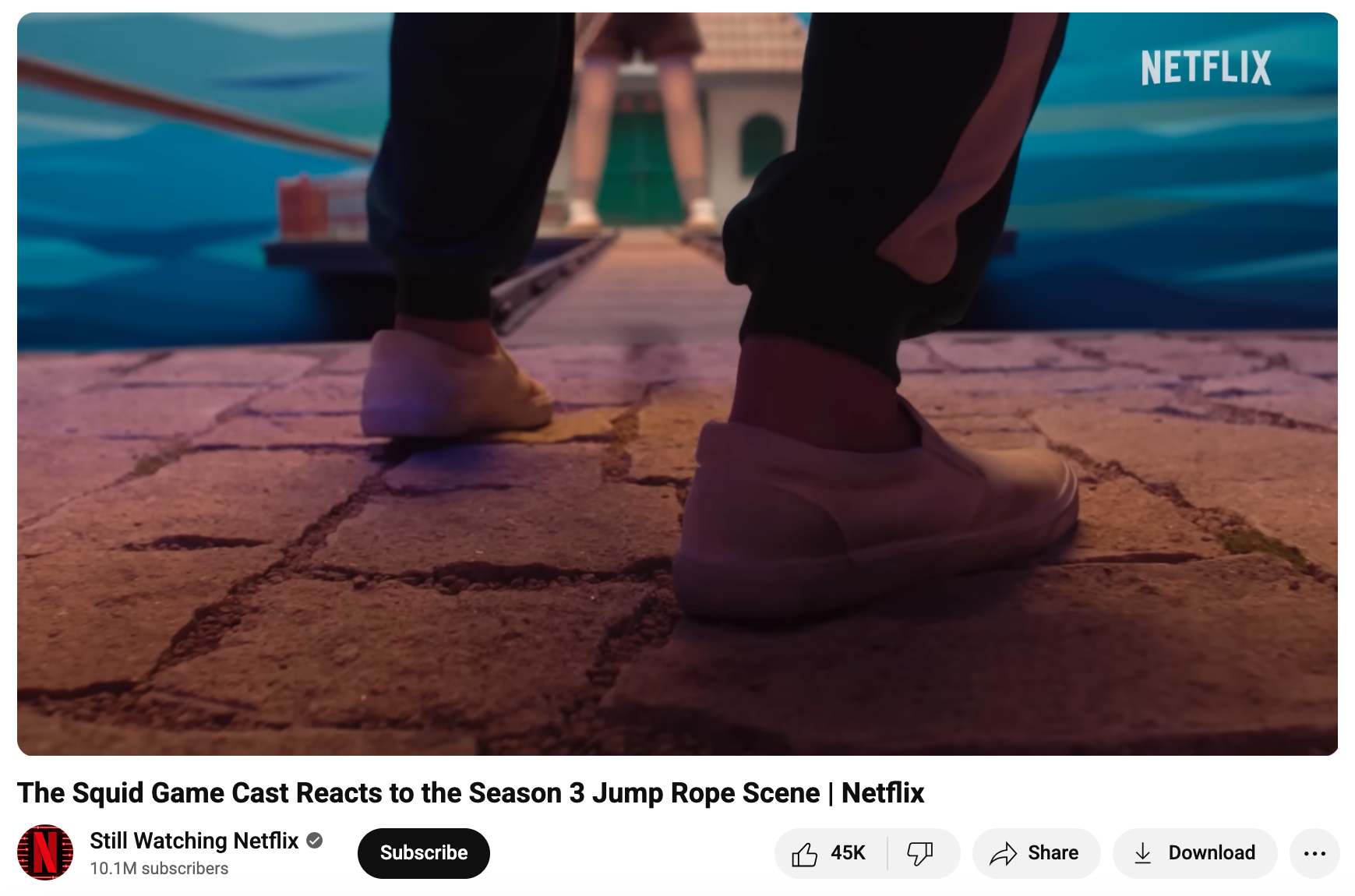
Netflix, for example, shares reaction videos on its Still Watching Netflix channel. It keeps fans engaged between seasons while giving them bonus content they can’t find anywhere else.

Here’s the Squid Game cast reacting to a particularly intense scene.

Netflix Squid Game cast reaction YouTube video

2. Sponsor try-on hauls

Hauls have been around for a while, but the trend is still going strong. Put your products in a creator’s hands and let them talk like they would to a friend.

Hauls are a form of influencer marketing that builds on the power of peer recommendations.

Sponsoring a try-on haul is a direct path to a highly engaged audience.

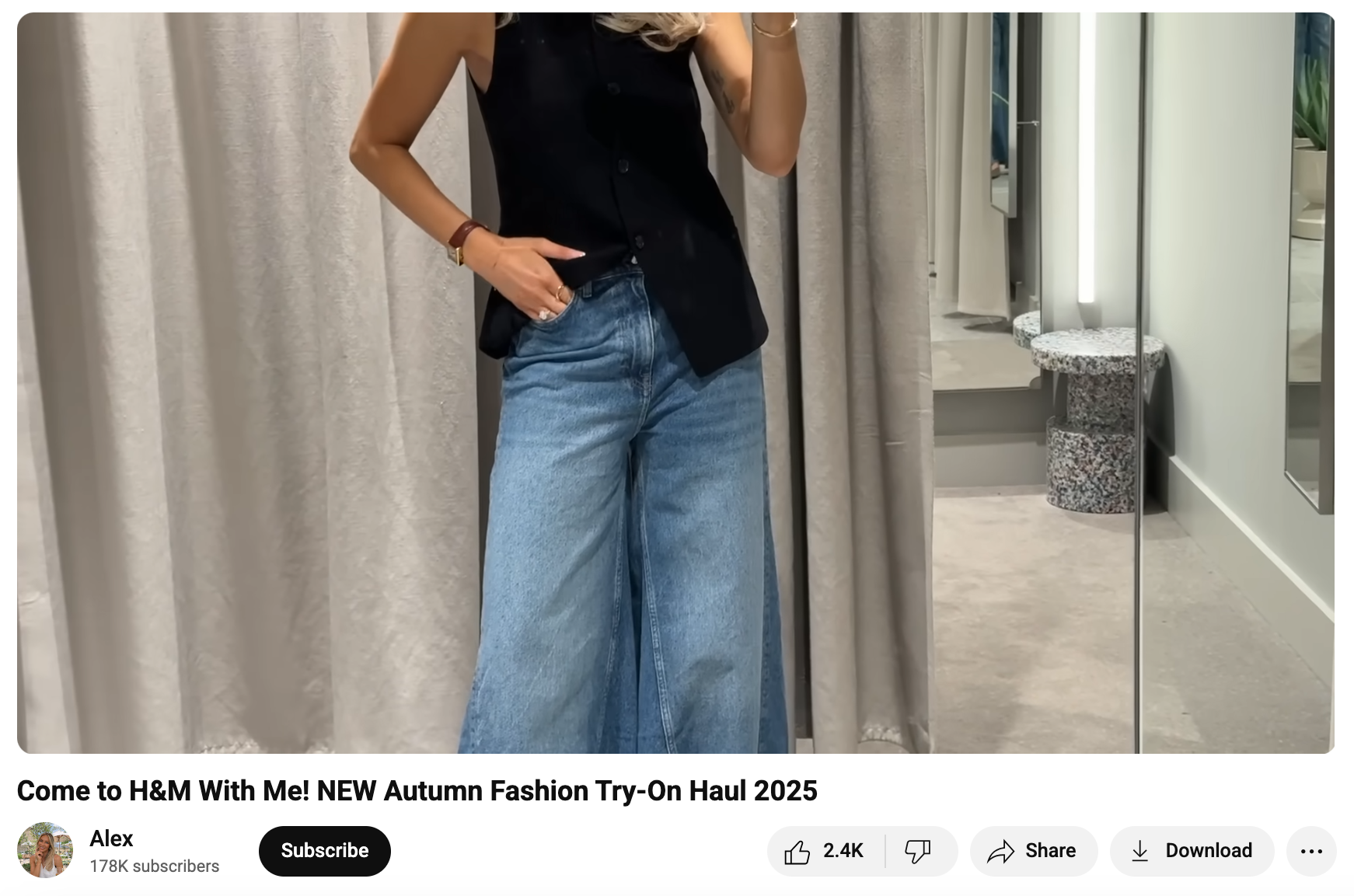
Viewers get inspo they trust and your brand rides a format people already love to watch. Here’s fashion influencer Alex Collins trying on H&M’s fall pieces on a candid shopping trip.

Alex Collins's H&M fall try-on haul YouTube video

The key is to give the creator creative freedom so the content feels genuine and not like a scripted ad. This builds a sense of trust and authenticity that can lead to strong sales and brand awareness.

3. Tap into ASMR content

ASMR is a sensory marketing technique that creates a unique and memorable brand experience.

This is a creative way to showcase your product in a new light. It can be used to highlight the quality or unique features of a product, from the satisfying sound of a keyboard to the gentle pour of coffee.

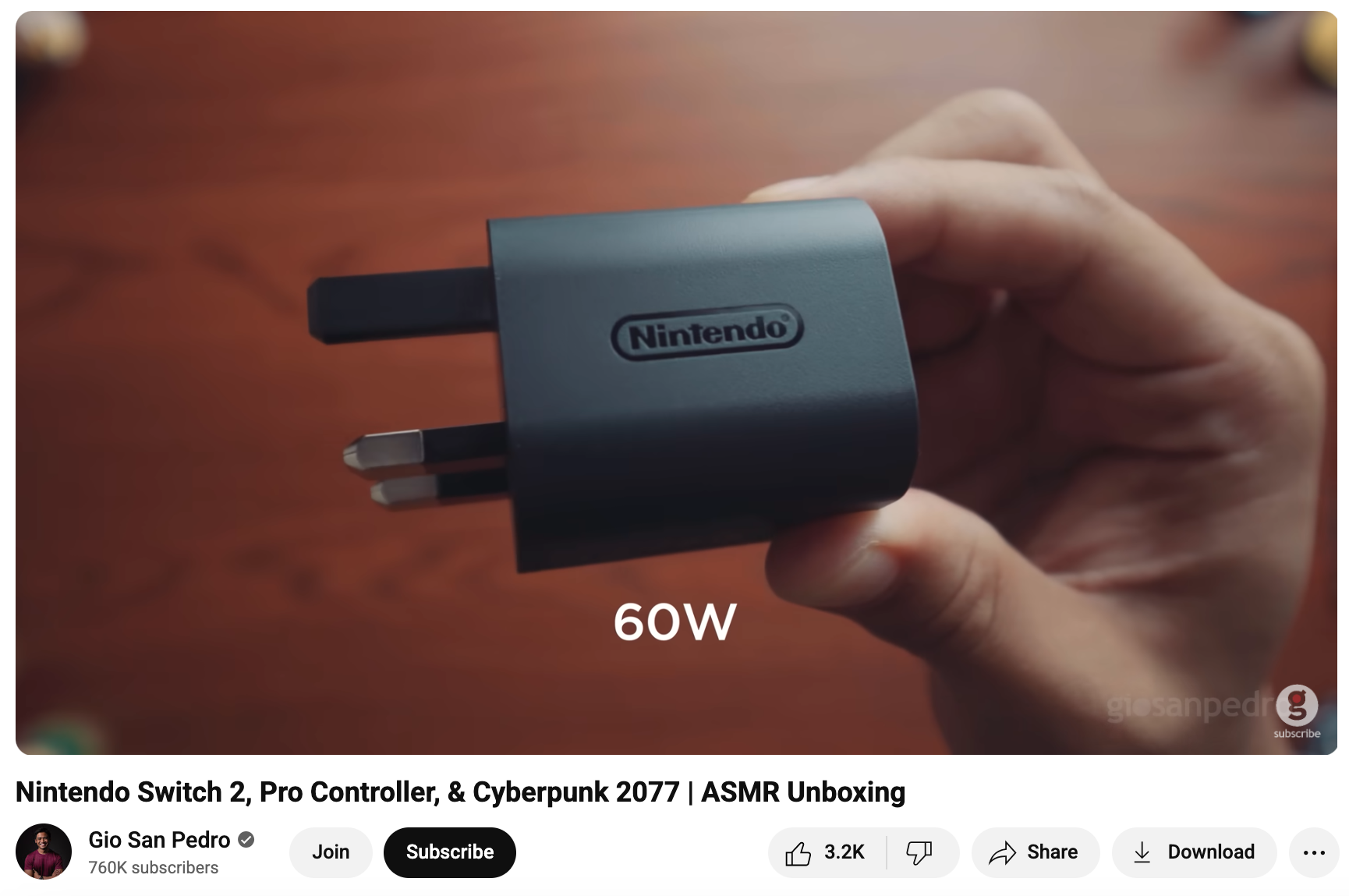
Gio San Pedro does this with finesse.

Gio San Pedro Nintendo ASMR unboxing YouTube video

This type of content is often highly shareable because of its calming and addictive nature. It also works for both short form and long form content.

3 YouTube video ideas to get subscribers

1. Create a mini series or playlist

Building a loyal, returning audience is a major benefit of creating a video series.

By developing a narrative arc across multiple videos, you give viewers a compelling reason to subscribe so they don’t miss the next part.

This strategy is perfect for deepening your content, whether you’re creating a multi-part tutorial or an in-depth exploration of an industry trend.

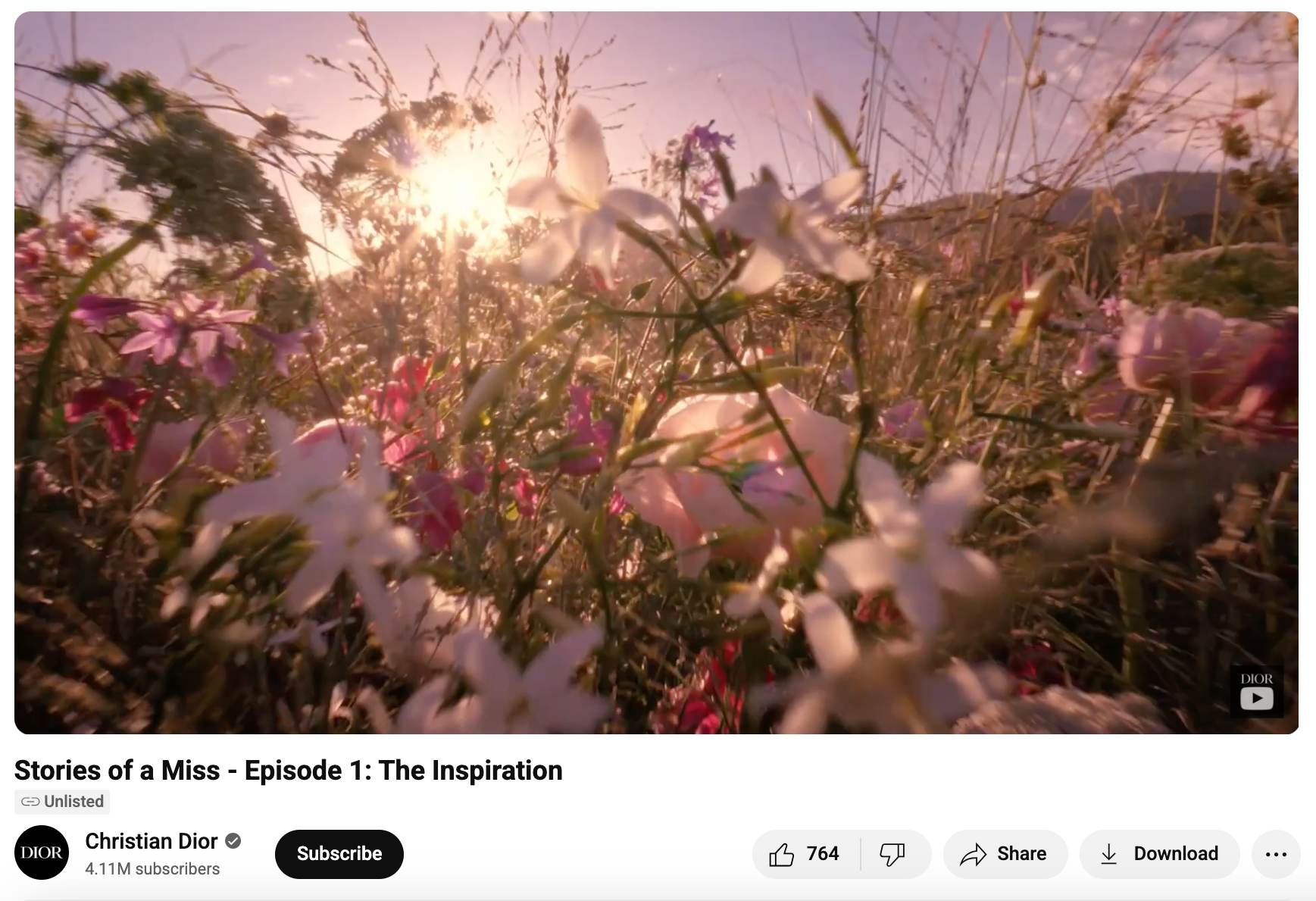
Christian Dior shared a six-episode playlist, Stories of a Miss, documenting the story behind their Miss Dior fragrance.

Christian Dior Stories of a Miss episode 1 YouTube video

It’s an influential way to foster a sense of community and anticipation that drives long-term engagement.

2. Run a giveaway

Boost your subscription numbers and generate buzz quickly and effectively with a giveaway.

They’re a tried-and-true method that continues to work well for social media marketing.

The most important elements are to make the rules simple and the prize desirable. When you require a subscription and a comment, you’re also boosting video engagement, which can improve your brand’s YouTube channel performance in the algorithm.

3. Co-create with your subscribers

Building a strong, engaged community starts with involving your audience in the creative process. Instead of simply making content for them, you’re creating it with them, which fosters a sense of ownership and loyalty.

This is a rare and effective content play because it shows your brand genuinely values its community’s input, helping you build a passionate fan base.

3 YouTube video ideas for beginners

1. Introduce your brand and products

Think of this video as a digital handshake.

For brands launching a new channel, it’s a foundational piece of content that clarifies your brand’s purpose and value proposition.

It should answer the core question: “Why should someone subscribe to this channel?” A great introduction goes beyond what you sell, focusing instead on what problems you solve and what unique perspective you bring to the industry.

2. Repurpose content from other channels

Content repurposing is an impactful way for brands to be more efficient with their time and resources.

It’s all about taking one piece of content and transforming it to fit different platforms. Imagine turning a single blog post into a series of videos, breaking a long webinar into short clips or animating a static infographic.

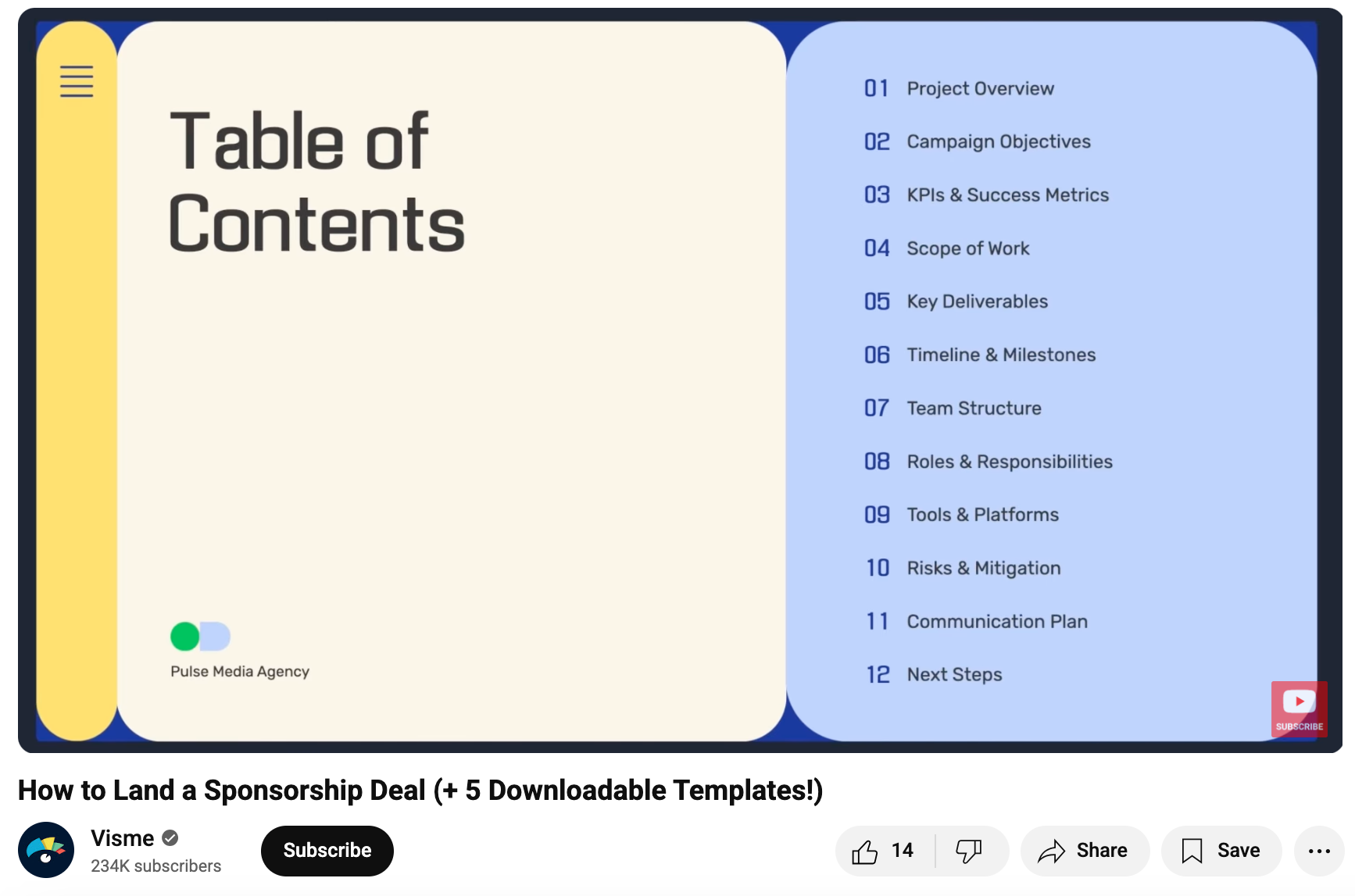
Visme regularly repurposes their blog posts into educational YouTube videos.

Visme repurposed blog post YouTube video

This not only maximizes your content creation efforts but also helps you reach new audiences with minimal extra effort.

3. Share customer testimonials

Testimonials are a great starting point for building social proof.

For a beginner, they’re a compelling and low-cost way to make a great first impression. The magic of these videos lies in their credibility and relatability.

It’s not about what you say about your brand; it’s about what your customers say and that authentic endorsement is truly invaluable.

The casual, unscripted nature of these videos makes them more believable than traditional ads and gives potential customers a reason to trust your brand. If you can’t find any testimonials organically, don’t hesitate to ask for reviews.

How to use Sprout Social for successful YouTube content

You can brainstorm an exhaustive list of YouTube video content ideas, but without a clear content scheduling plan, it’s easy to post inconsistently or miss opportunities to connect with your audience.

That’s why the YouTube scheduling and management tool you use matters. Sprout Social helps you stay organized, streamline workflows and always stay on top of your brand’s YouTube performance.

Here’s how Sprout helps you get on track to plan and implement a winning YouTube content strategy.

Schedule and publish videos in one place

With Sprout Social, you get to say goodbye to juggling multiple platforms. In Sprout’s interface, you can schedule and publish your YouTube videos (and, yes, Shorts also) directly from your unified content calendar.

You can see your YouTube content alongside your other social posts, making it easy to spot gaps, plan ahead and keep everything on a consistent cadence.

UI screen of Sprout Social's compose window for YouTube videos

Did we mention that getting your videos discovered is paramount? Sprout provides the tools to optimize your YouTube content for search and discoverability.

When composing your video posts, you can easily add compelling titles, detailed descriptions, and relevant tags to boost your video’s visibility. This helps your content rank higher and reach new audiences.

Not to mention, if you’re confused about the best times to post your YouTube videos, Sprout’s ViralPost® technology gives you the option to automatically publish your videos at the time your audience is most likely to watch and engage.

This saves time and ensures your videos go live at optimal times for maximum audience reach.

Track performance with detailed analytics

Sprout’s YouTube analytics puts all your key metrics, like views, watch time and engagement, in one clean, filterable space.

UI screen of Sprout Social's YouTube post performance report

Using the YouTube Videos Report, you can dig into how a single video performed or compare several side by side. Want to see how YouTube stacks up against your Instagram or TikTok? You can do that too.

Having everything in one place means you’re not hopping between tabs or screenshots. You just see what’s working, spot the patterns and know exactly where to focus next.

Streamline your engagement

Building a thriving YouTube community means actively engaging with your viewers.

Sprout Social’s Smart Inbox unifies all your YouTube comments and messages with interactions from your other social channels into one centralized feed. This ensures you never miss a comment, allowing for prompt and consistent responses that foster loyalty and build strong relationships with your audience.

Start a free Sprout Social trial

Turn ideas into action with Sprout Social

Great video ideas are only the start. You need the right tools to bring them to life.

With Sprout Social, you can plan, publish, track and engage all in one place. Try it free for 30 days and see how much easier YouTube marketing can be.

The post 29 YouTube video ideas to spark inspiration for your channel appeared first on Sprout Social.


from Sprout Social https://ift.tt/gJ5XVQI
via IFTTT