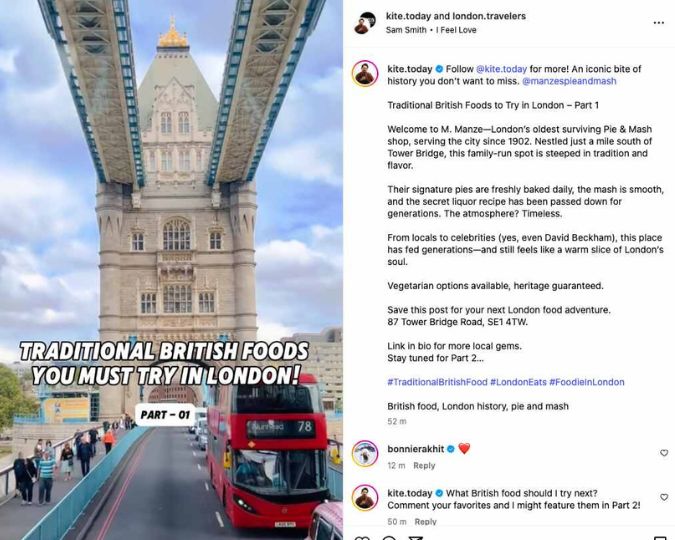
In this post, you’ll find a curated list of the top Instagram Reel hashtags for travel, fitness, food, fashion and other major industries. We’ll also break down the algorithmic value of using these tags and share data-backed strategies for finding the best keywords for your brand.
Instagram Reels dominate the platform—and the right Instagram hashtags turn that built-in visibility into sustainable reach. By acting as critical metadata, these tags help Instagram’s AI categorize your short-form video and serve it directly to users who are actively searching for or engaging with your niche.
Optimize your Reels strategy with Sprout Social
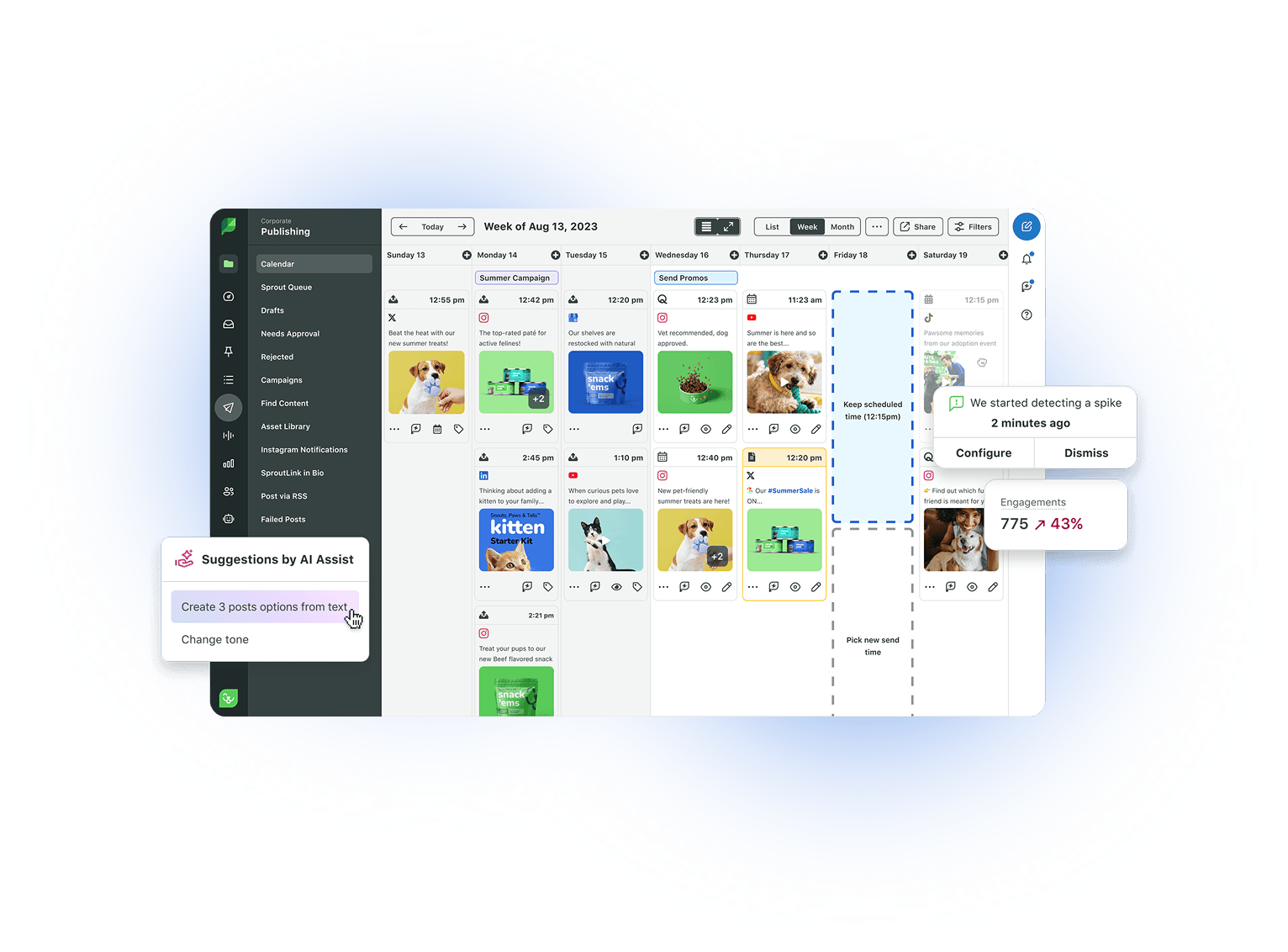
Don’t let your Instagram strategy get buried by algorithm shifts. Track your top-performing tags, monitor competitor keywords and measure real ROI with a unified social media management dashboard.
Do Instagram Reel hashtags still work?
Yes, Instagram Reel hashtags still work in 2026. However, the system has evolved. Instagram doesn’t just read hashtags as isolated labels; it processes caption text as keywords for Instagram Reels to power its internal search engine and AI-driven recommendations. Frame your tags not as a standalone trick, but as a core component of your broader Instagram SEO and keyword optimization strategy.
Relevant, specific hashtags increase your Reel’s discoverability with the right audience. Irrelevant or overused ones suppress reach. They are a discovery signal, not a shortcut to virality. Precise, intentional hashtags give your content a real shot at reaching people who care. Vague or mismatched ones confuse the algorithm and bury your reach.
Strong Reel performance is a team effort. Your video, caption, on-screen text, audio choice and hashtag selection all work together and hashtags amplify what’s already working. No hashtag strategy rescues a weak post. What follows is a comprehensive list of modern Instagram Reel hashtags to pull from, plus a practical guide on how to use them with intention.
Best Instagram Reel hashtags for 2026
These Instagram Reel hashtags span the top-performing industries on the platform, optimized for the current landscape. Trends shift fast, so audit your hashtag strategy regularly and replace underperformers with emerging tags.
Top 30 trending Instagram Reel hashtags
- #reels
- #reelsinstagram
- #instagramreels
- #reelsvideo
- #instareels
- #reelitfeelit
- #viral
- #viralvideos
- #explore
- #explorepage
- #foryou
- #foryoupage
- #trending
- #trend
- #instagood
- #love
- #like
- #follow
- #photography
- #trendy
- #reel
- #viralreel
- #viralreels
- #trendingsound
- #fyp
- #reeloftheday
- #trendingreels
- #trendingnow
- #feature
- #repost
Top 45 fitness hashtags for Instagram Reels
- #fitness
- #fitnessmotivation
- #workout
- #gym
- #fitfam
- #gymlife
- #training
- #health
- #fitnessjourney
- #fit
- #healthylifestyle
- #motivation
- #bodybuilding
- #functionalfitness
- #lifestyle
- #weightloss
- #exercise
- #personaltrainer
- #healthy
- #fitlife
- #gymmotivation
- #strong
- #fitspo
- #healthandfitness
- #muscle
- #crossfit
- #nutrition
- #homeworkout
- #wellness
- #yoga
- #cardio
- #fitnesscommunity
- #pilates
- #zumba
- #running
- #cycling
- #swimming
- #legday
- #armday
- #absworkout
- #glutes
- #strengthtraining
- #fitnessgoals
- #getfit
- #instafit
Top 46 travel hashtags for Instagram Reels
- #travel
- #travelgram
- #travelphotography
- #wanderlust
- #traveltips
- #[location]travel
- #solotravel
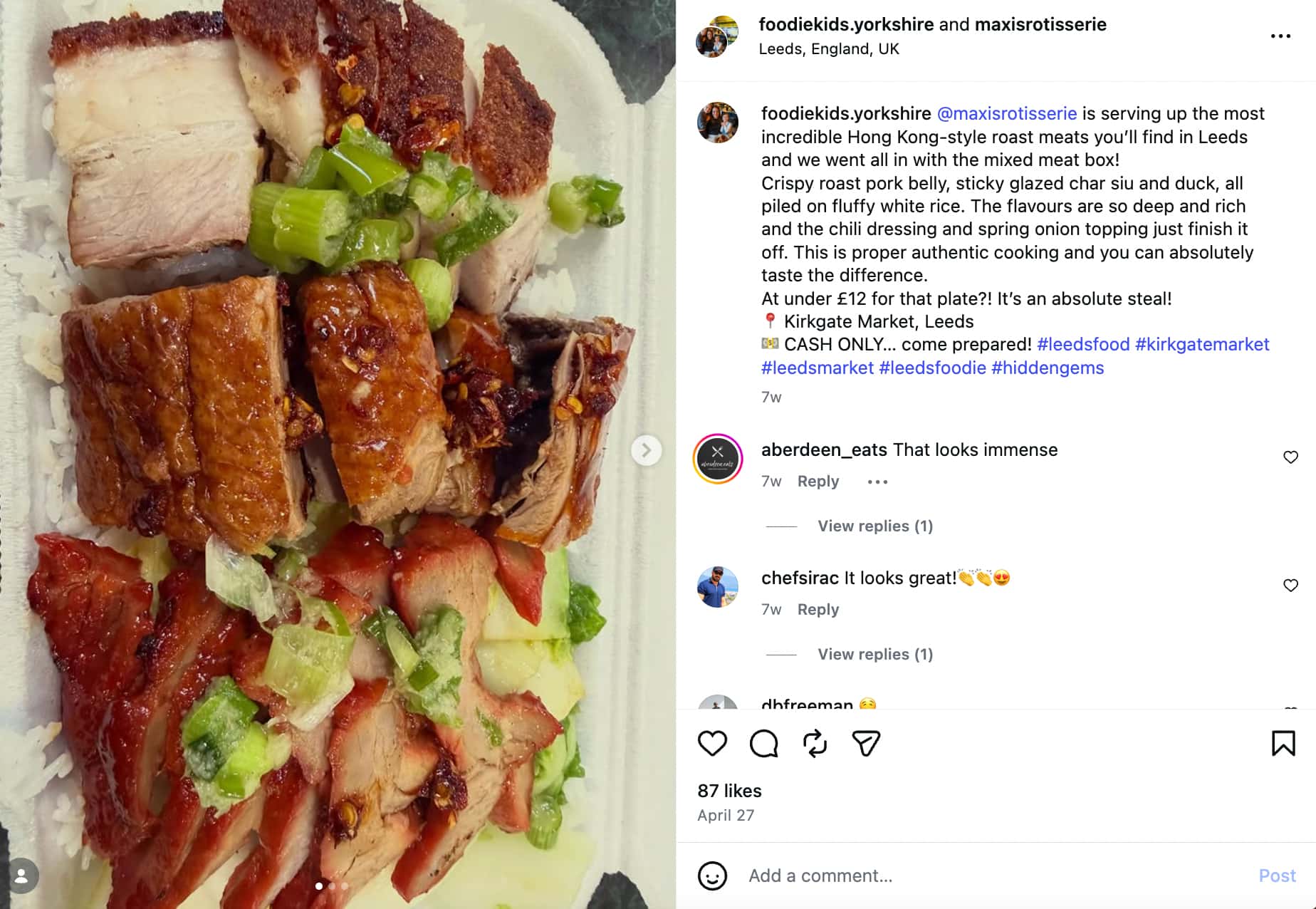
- #hiddengems
- #instatravel
- #traveltheworld
- #travelblogger
- #traveladdict
- #travelgoals
- #travelinspiration
- #travellife
- #traveldiaries
- #globetrotter
- #adventure
- #vacation
- #explore
- #nature
- #landscape
- #photography
- #beautifuldestinations
- #travelreels
- #travelvideo
- #travelvlogger
- #roadtrip
- #cityscape
- #travelcouple
- #travelling
- #trip
- #holiday
- #travelholic
- #worldtraveler
- #tourist
- #travelbug
- #passportready
- #exploremore
- #seetheworld
- #mytravelgram
- #travelguide
- #backpacking
- #travelcommunity
- #neverstopexploring
- #staycation
Top 46 food hashtags for Instagram Reels
- #food
- #foodie
- #foodporn
- #foodphotography
- #instafood
- #homecooking
- #[diet]recipes (e.g. #vegetarianrecipes)
- #mealprep
- #recipeshare
- #foodlover
- #foodblogger
- #delicious
- #foodgasm
- #yummy
- #foodstagram
- #cooking
- #recipe
- #homemade
- #healthyfood
- #vegan
- #vegetarian
- #baking
- #dessert
- #breakfast
- #lunch
- #dinner
- #brunch
- #drinks
- #cocktails
- #coffee
- #wine
- #foodiegram
- #foodreels
- #eat
- #foodpics
- #glutenfree
- #foodielife
- #foodheaven
- #foodgram
- #fooddiary
- #instaeat
- #recipeoftheday
- #plantbasedfood
- #eatyourveggies
- #mealprepping
- #healthyeating
Top 45 fashion hashtags for Instagram Reels
- #ootd (Outfit of the Day)
- #fashioninspo
- #styleinspiration
- #streetstyle
- #lookoftheday
- #[aesthetic]style (e.g. #thriftedstyle)
- #grwm
- #fashion
- #fashionstyle
- #style
- #fashionblogger
- #fashionista
- #instafashion
- #fashionphotography
- #fashionweek
- #fashiondiaries
- #fashionlover
- #outfitinspiration
- #styleoftheday
- #trendy
- #fashionmodel
- #menswear
- #womenswear
- #vintage
- #sustainablefashion
- #fashionreels
- #fashiontrends
- #slowfashion
- #highfashion
- #prelovedfashion
- #secondhandfashion
- #handmadeclothing
- #vintagestyle
- #vintagefashion
- #vintageclothing
- #unisexfashion
- #unisexclothing
- #thriftedfashion
- #inclusivefashion
- #streetwear
- #streetweardaily
- #streetfashion
- #howtostyle
- #getreadywithme
- #capsulewardrobe
Top 45 funny hashtags for Instagram Reels
- #funny
- #funnyvideos
- #funnyvideosdaily
- #funnymemes
- #funnymemesdaily
- #memestagram
- #funnyreels
- #funnyisfunny
- #funnymoments
- #comedy
- #comedyvideos
- #comedyreels
- #sketchcomedy
- #dailyfluff
- #dailylaugh
- #dailydose
- #standupcomedy
- #relatablereels
- #jokes
- #hilarious
- #funnyclips
- #funnyvids
- #justforlaughs
- #humor
- #humour
- #laughoutloud
- #laughing
- #smile
- #memes
- #haha
- #lol
- #lmao
- #comedian
- #instafunny
- #funnyposts
- #satire
- #parody
- #comedymemes
- #cantstoplaughing
- #funnyanimals
- #fails
- #pranks
- #funnydogs
- #funnycats
- #laugh
Having the right hashtags is the starting point. Knowing how to deploy them, with the right mix, the right volume and the right placement, is what separates brands that build reach from brands that wonder why their Reels aren’t landing. That’s where strategy comes in.
Instagram Reels hashtag strategy
Copying and pasting a list of trending tags will only get you so far. Think of these hashtags as raw data points; strategy is the engine that converts them into actual audience discovery. To separate your brand from the noise, you need a deliberate approach to how many tags you use, where you place them and how you mix them for maximum impact.
How many hashtags should you use on Instagram Reels?
Ditch the old advice about maxing out every available hashtag slot. A focused set of highly relevant hashtags outperforms a bloated caption every time. Aim for three to five hashtags that directly connect to your content, your audience and your goals.
Every hashtag must earn its place. If you can’t explain why a specific hashtag belongs on a specific Reel, cut it.
The hashtag mix: Popular, niche and branded
A strong hashtag strategy uses three types of tags working together:
- Broad hashtags connect your content to large, active communities and increase your chances of discovery beyond your existing followers.
- Niche hashtags put your Reel in front of a smaller, more targeted audience—people already interested in exactly what you’re posting about. These drive relevance and engagement quality.
- Branded or campaign hashtags tie your content to your brand identity, make your content library searchable and give you a consistent thread to track performance over time.
Build your mix with all three. Leaning too hard on broad hashtags buries you in noise. Leaning too hard on niche tags limits your reach. Balance is the strategy.
Where to put hashtags on Instagram Reels
Place your hashtags in the caption. Instagram reads caption metadata at the moment of publishing to categorize your content, which means hashtags in the caption directly influence how the algorithm indexes and distributes your Reel. Hashtags added to comments after publishing don’t carry the same indexing weight. Keeping your tags in the caption also makes it easier to review what’s working, adjust your approach, and keep your comment section clean.
How the Instagram algorithm uses hashtags
Hashtags help Instagram categorize your content and surface it to people who follow or search those topics. But they don’t carry a weak Reel on their own; the algorithm prioritizes relevance and engagement signals above all else.
Recycling the exact same Instagram reels hashtag copy on every single post signals low effort and caps your ability to reach new audiences. Test your mix, review your results and refine fast. Treat your hashtag strategy the same way you treat your content strategy: as something that evolves based on real data, not assumptions.
Hashtags to avoid on Instagram Reels
Some hashtags don’t just fail to support; they suppress your reach and signal low content quality to the algorithm. Knowing what to cut is as important as knowing what to use.
Drop these hashtag habits from your Instagram Reel strategy:
- Irrelevant hashtags: tags that have nothing to do with your Reel’s content, audience or message
- Oversaturated hashtags: tags so flooded with content that your Reel disappears the moment it’s posted
- Copy-paste hashtag strings: recycled tag blocks dropped onto every post regardless of context
- Misleading hashtags: tags used to chase reach rather than connect with the right viewers
- Banned or broken hashtags: tags that flag your content as low quality to Instagram’s algorithm
The standard is simple: If a hashtag doesn’t describe your content, your audience or your campaign with precision, cut it. Relevance beats volume every time.
Why use hashtags with your Instagram Reels
Instagram Reel hashtags do three things at once: expand your reach, sharpen your targeting and generate analytics that improve every future post. Here’s how each benefit works for your brand:
Make your content easier to find
Hashtags put your Reels in front of users who don’t follow you yet, people actively searching for the topics and themes your content covers. Data from our 2026 Social Media Content Strategy Report shows consumers are most likely to interact with short-form video content on Instagram, making discoverability through targeted tags a direct driver of engagement.
Monitor trending hashtags and weave them into your Reels to ride the momentum of current conversations and Instagram trends. That positions your brand as relevant, not reactive.
Target your niche demographics and audiences
Not every Instagram user is your customer. Utilizing specific keywords for Instagram Reels through your tags lets you reach the specific communities and demographics most likely to buy from you, turning broad visibility into qualified audience growth and higher ROI.
Use hashtag analytics to refine your Instagram content strategy
Tracking Instagram metrics like reach and engagement by hashtag reveals what resonates with your audience—and what to cut. That data turns guesswork into a repeatable content strategy.
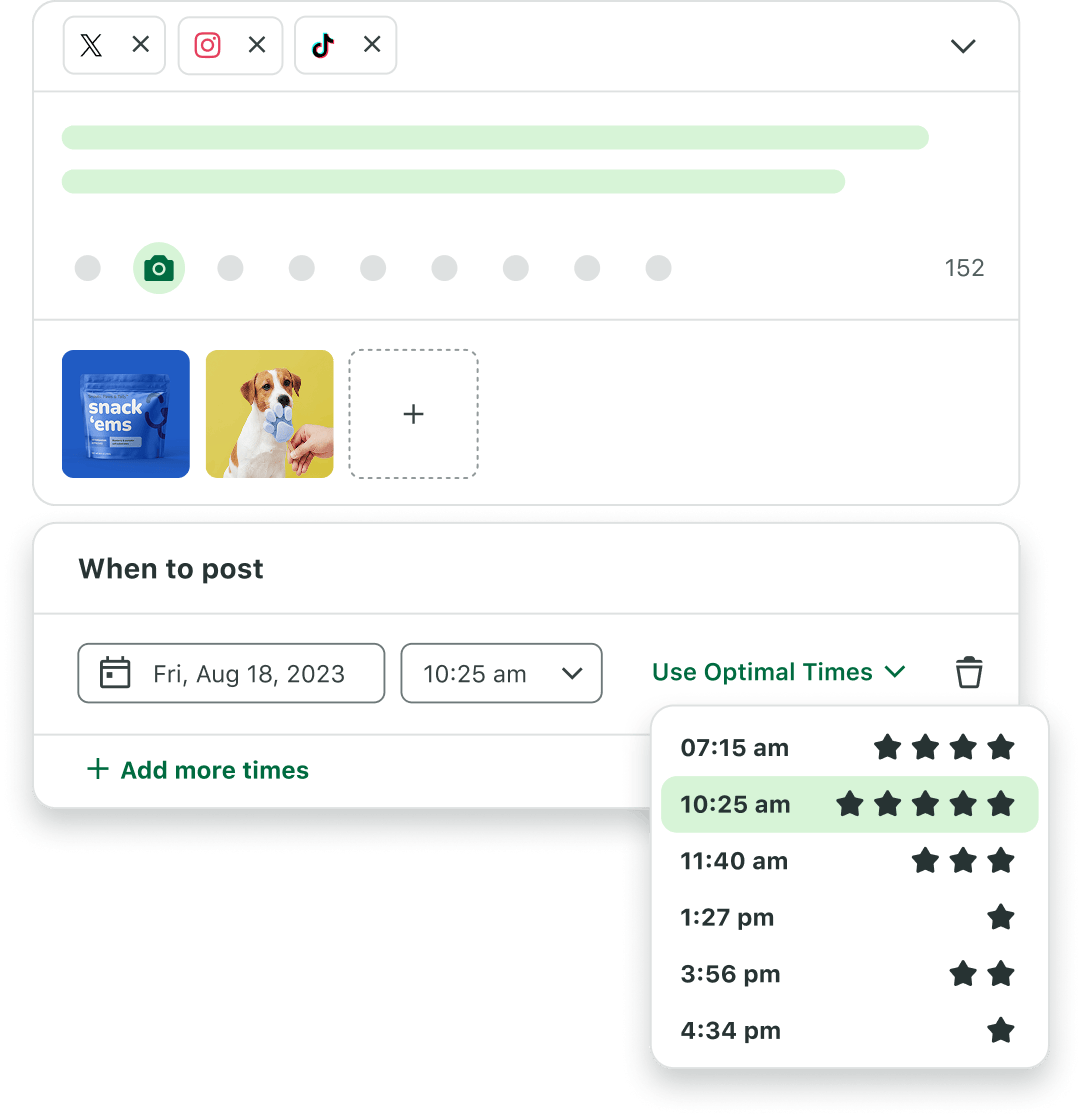
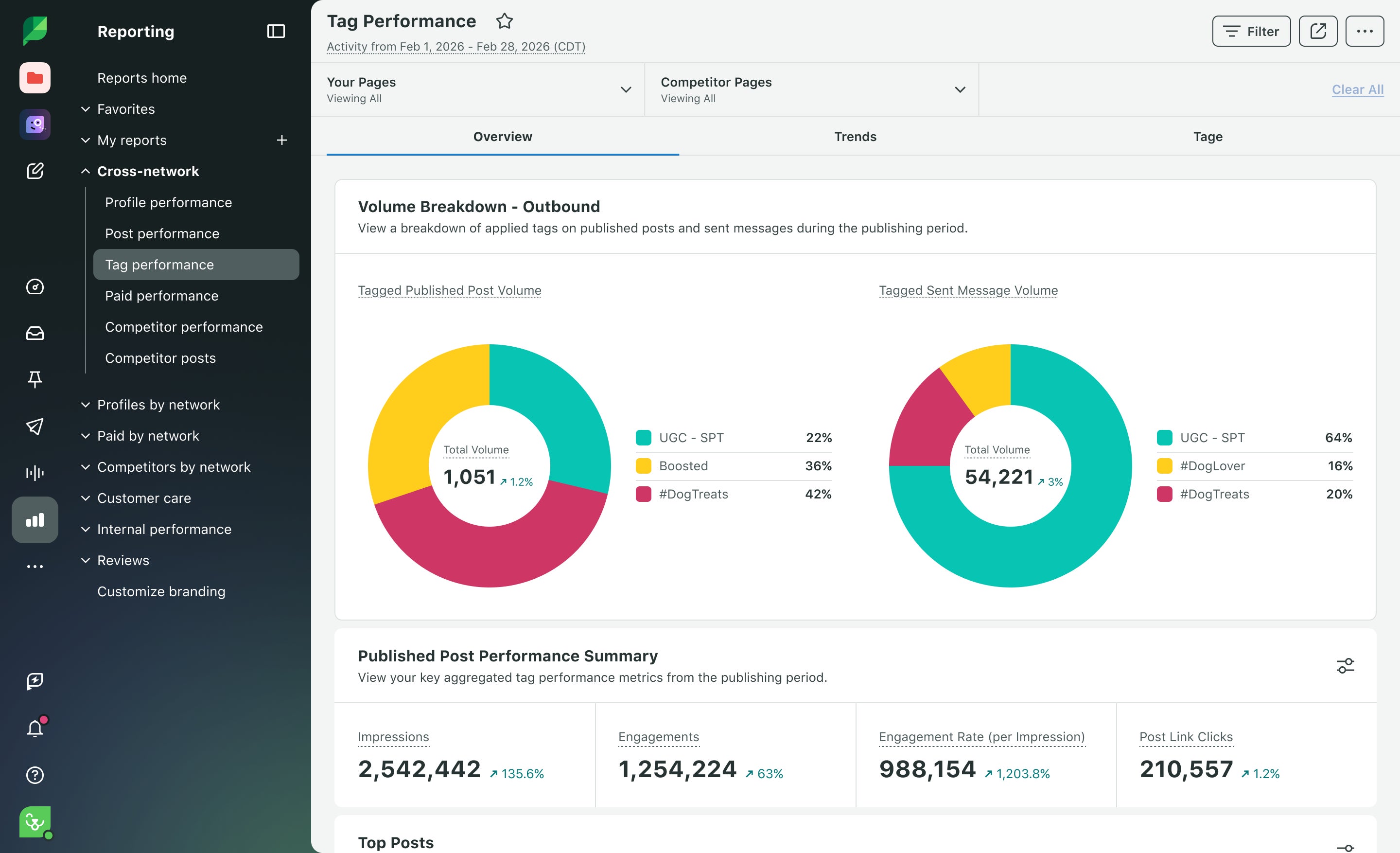
Sprout Social’s Hashtag Tracking tools surface which hashtags drive the most impact for your brand. Here’s what you do in the platform:
- Track your top-performing hashtags by engagement and reach to identify which tags drive results.
- Monitor your most-used hashtags and compare usage frequency against actual performance to spot overused, underperforming tags.
- Add priority hashtags—including branded and campaign tags—to track their performance over any reporting period.
- Benchmark hashtag performance over time to measure the impact of strategy changes and inform your next content cycle.

Tips for finding the right Instagram Reel hashtags for your brand
Finding the right Instagram Reel hashtags starts with three things: knowing your audience, studying your competitors and building a branded presence. Each step sharpens your strategy and drives measurable reach.
Know your buyer personas
Your hashtag strategy is only as strong as your audience understanding. Dig into your analytics to identify the key characteristics of your ideal customers, including which accounts they follow, what content they engage with, and which high-performing hashtags appear in the videos they interact with most.
Use those insights to guide your own hashtag choices. Incorporate hashtags that align with the niches and interests of your target audience, not the broadest possible crowd.
For a deeper signal, use social listening to surface the exact language your audience uses in organic conversations—before you’ve published a single post on that topic. Sprout Social’s Listening tool tracks hashtag usage, trending topics and audience sentiment across Instagram and beyond, giving you a real-time view of which tags your target audience already engages with. That’s the difference between guessing what your audience cares about and knowing it from data.
Targeting everyone gets you results from no one. Focusing on users who match your buyer personas drives real business outcomes—whether that’s brand awareness, lead generation or sales.
Analyze your competitors
Your competitors’ top-performing Reels are a direct window into what hashtags resonate with your shared audience. Study the videos earning the most engagement and ask:
- Which hashtags are they using?
- How many hashtags do they add per Reel?
- Are they targeting niche keywords or broad hashtags?
Sprout Social’s competitive analysis features let you track competitor posts, engagement rates and hashtag usage—then benchmark that data against your own performance to set realistic goals.
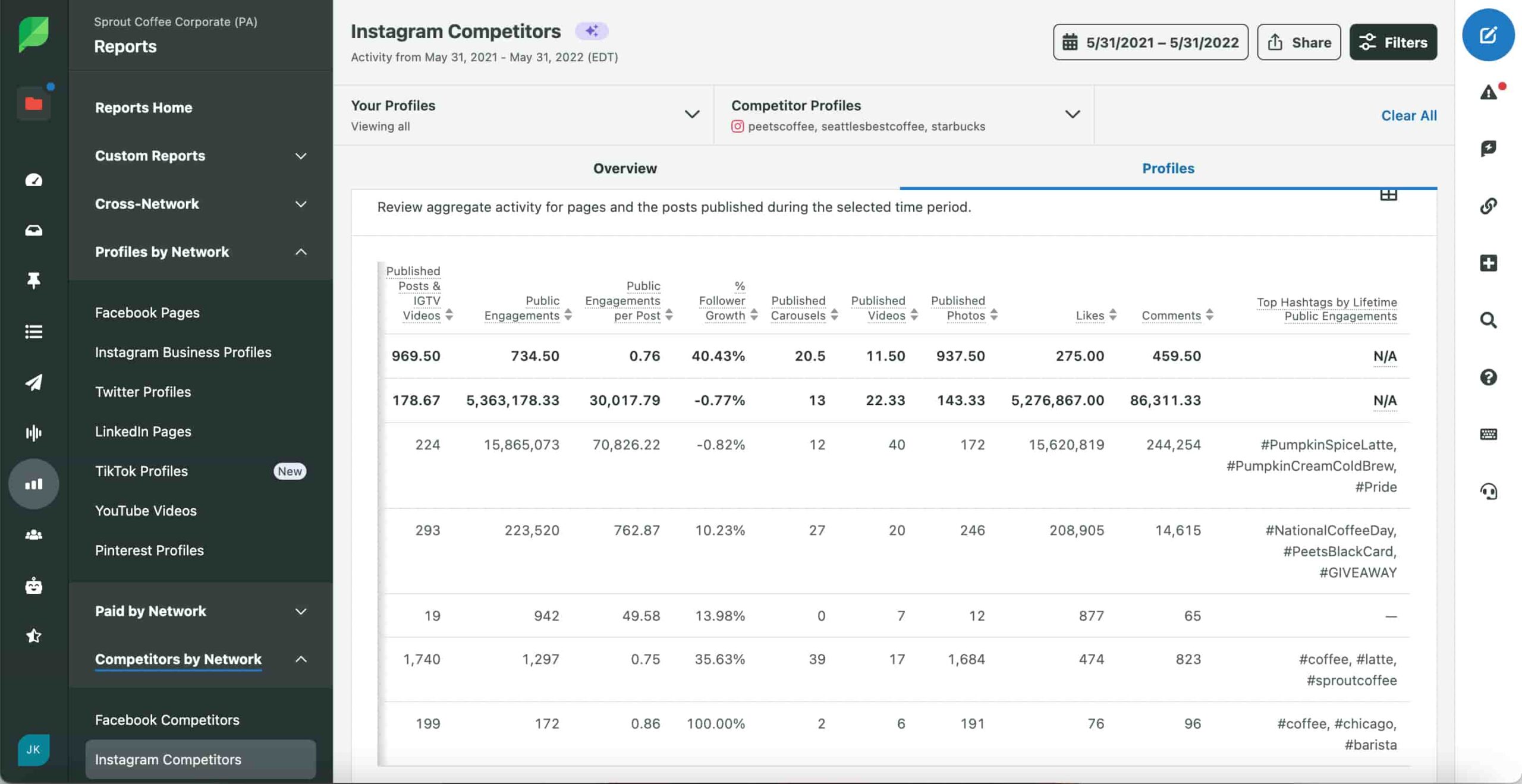
Use a competitor analysis tool to draw inspiration—but keep experimenting. The highest-impact hashtags are often the ones your competitors are ignoring entirely.
Use branded hashtags on Reels and other content
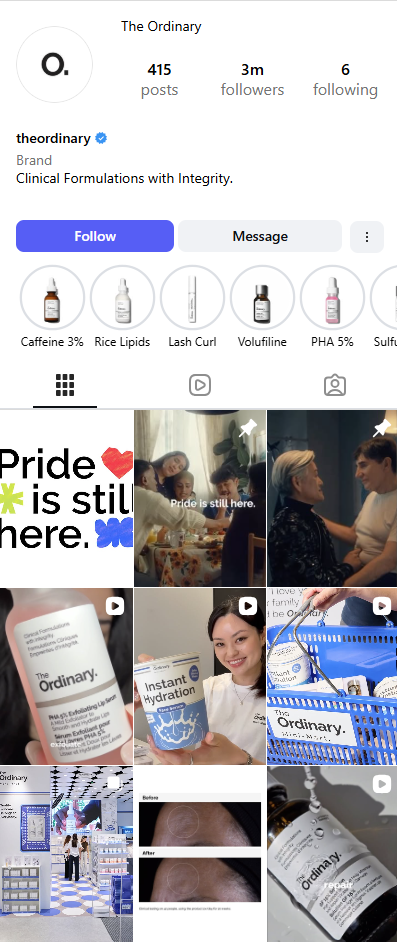
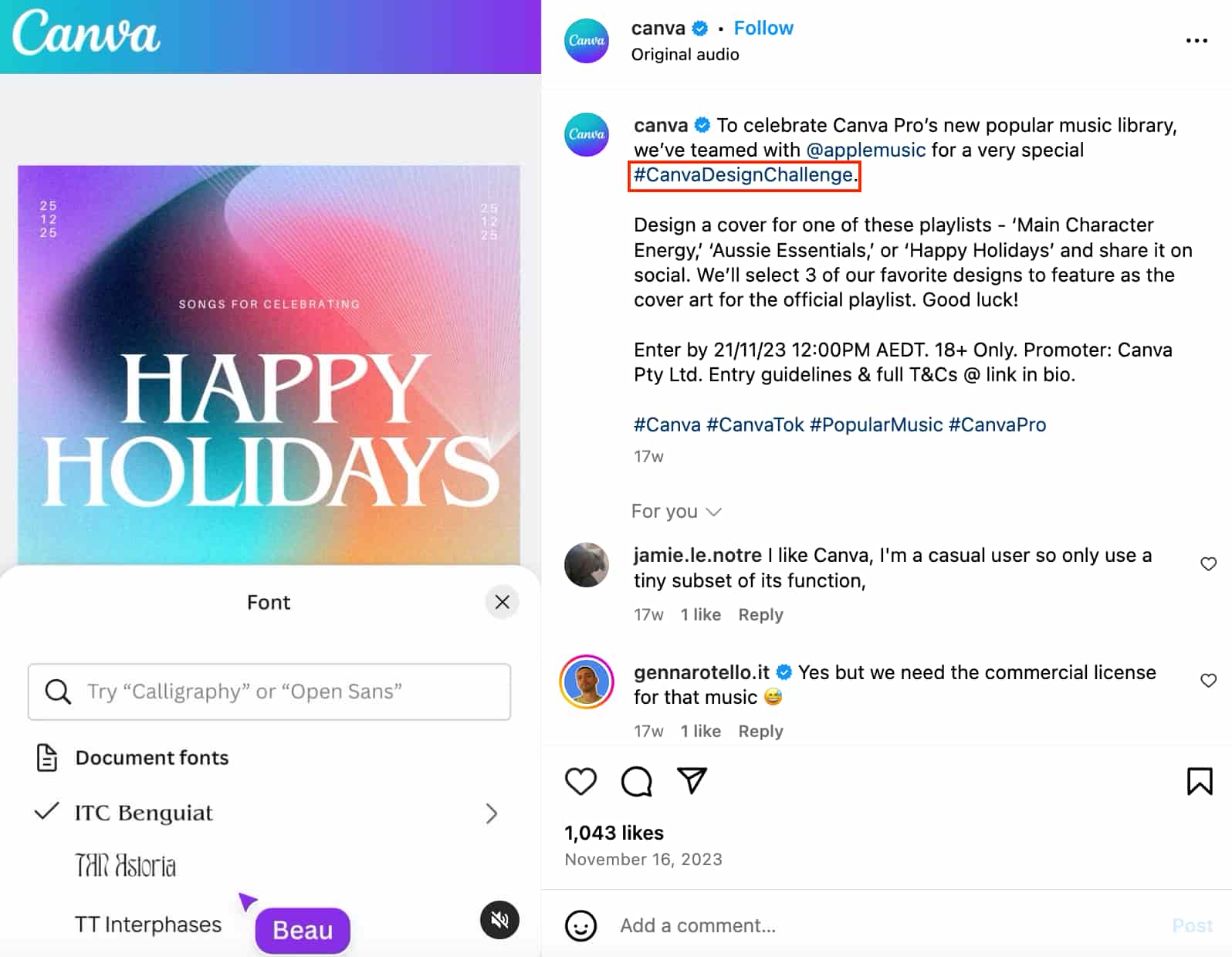
Capitalizing on existing hashtags builds reach—but creating your own branded hashtag builds community. Branded hashtags increase brand awareness, foster a sense of belonging among followers and are one of the most effective ways to generate user-generated content.
For example, Canva launched a branded hashtag challenge to encourage creators to use the software and share their designs:
Use Instagram Reel hashtags to grow your brand
The right Instagram Reel hashtags categorize your content, drive visibility and increase engagement, but only when they align with your brand and your audience’s interests. Generic hashtags waste reach. Targeted ones build it.
Start by identifying hashtags that match your niche, your audience’s search behavior and the topics your content covers. Then track what’s working with hashtag analytics—monitor your top-performing hashtags, competitor keywords and trending terms to sharpen your strategy.
As Instagram Reels account for a growing share of content across every industry, the brands winning on the platform treat hashtag selection as a data-driven discipline, not an afterthought. Use your analytics to guide every decision and let the results speak for themselves.
Ready to stop guessing and start tracking? Start a free trial of Sprout Social to monitor your hashtag performance, benchmark against competitors and discover the tags that drive reach for your brand. Or request a demo to see it in action.
The post 250+ Instagram Reel hashtags to boost engagement for your brand appeared first on Sprout Social.
from Sprout Social https://ift.tt/HKu9Y3w
via IFTTT