The right influencer partnerships can skyrocket brand visibility and build deep audience trust. But building these partnerships effectively requires intentional, programmatic influencer management, thinking beyond the next campaign to create a scalable network of brand partners.
From finding and vetting influencers that fit your brand, to planning content, aligning calendars and agreeing on terms, a robust influencer management strategy empowers you to oversee every aspect of a creator-driven content program.
The right approach can transform your creator partnerships from occasional gifting to recurring activations, where creators become reliable brand ambassadors. With the right influencer management tool, you can also shift processes away from manual tracking and towards structured collaboration that will grow and evolve with your brand
What is influencer management?
Influencer management involves discovering, selecting and collaborating with influencers to help promote your company. Brands can have specific goals, but generally, the objective is to work closely with influencers to create attention-grabbing content that engages your audience, generates buzz and amplifies your brand’s reach.
This level of management goes beyond administrative tasks and should be a strategic priority. Think of it as an ecosystem with a lifecycle, encapsulating creator discovery, outreach, contracting, content creation, measurement and payout as a repeatable, integrated process.
Dedicated tools, like Sprout Social Influencer Marketing, that create a unified workspace make this process much easier, centralizing collaboration among social teams, media buyers and agencies. As Anna Larson, Director of PESO Content at Flint Group, has experienced: “Tools like Sprout Social Influencer Marketing have helped us significantly accelerate our creator and influencer marketing offering. We’re able to identify highly aligned creators much faster, spend less time on manual research and focus more energy on strategy, relationship building and development.”
The benefits of programmatic influencer management
Programmatic influencer management means creating a system that can scale your creator strategy. It’s often achieved by leveraging dedicated influencer marketing tools that can automate, maintain and grow your creator strategy. These are some of the main benefits your team can achieve by adopting a programmatic approach.
Predictable campaign timelines
With many moving pieces and distributed resources, creator campaigns can become unpredictable, particularly if the strategy is not clear from the get-go. With a programmatic approach, it’s far easier to automate, track and plan influencer collaborations.
Predictability is created through clear standards for your creator strategies. Setting a standardized approach for outlining, creating and delivering your strategies makes it easier to predict how long they’ll take to produce and start showing results. With unified interfaces and clear tracking tools, it becomes much easier to keep your campaigns on track, from production to publishing and analysis, helping you dodge bottlenecks and keep your content plan on track across partnerships.
Creative consistency
Working with influencers lets you leverage their expertise, communities and creative direction to tell your brand’s story. Inviting new voices to speak for your brand can be a huge benefit, but it can also threaten creative consistency, particularly when managing multiple creators at once.
This is particularly important given the most successful influencer campaigns are often driven by value-aligned partners and creative ideas. A recent example from Doritos in the UK is their Doritos Loaded Month, which featured a combo of creator and restaurant partnerships. London-based influencers visited different participating restaurant locations and created their own reels. The creators’ posts consistently showcased the Doritos bag, branding and explained the promotion all while not compromising their individual style.
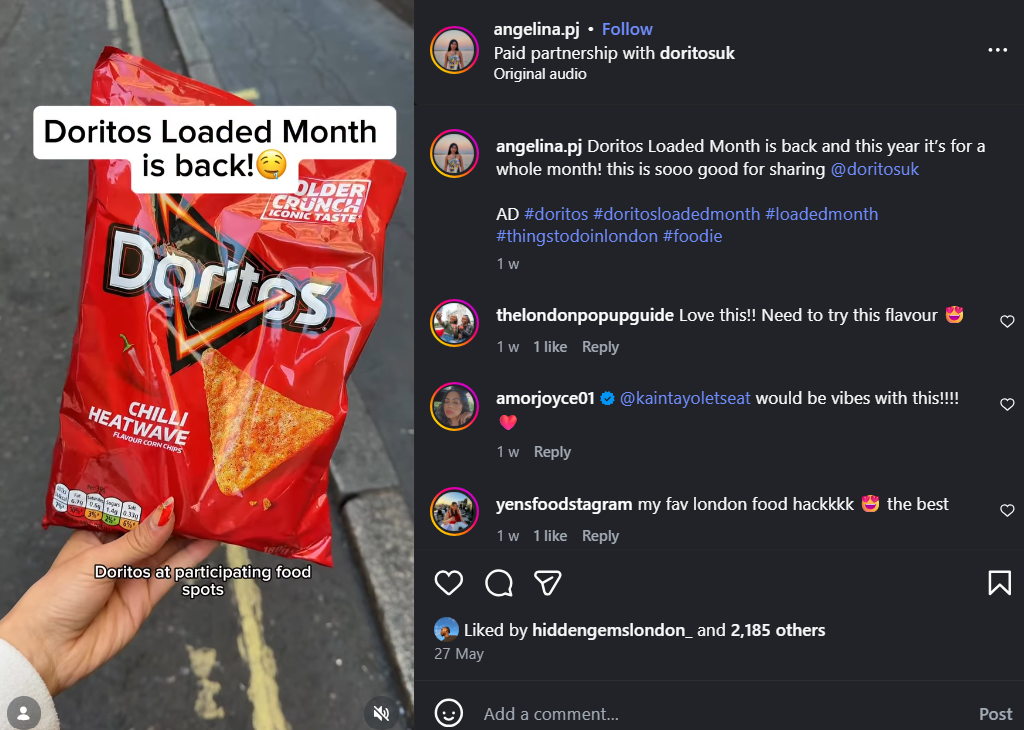

With a programmatic approach, you can set clear creative strategies from the very start of campaigns. Setting these expectations keeps everyone aligned on campaign outcomes, making the creation process smoother for brands and creators.
Compliance and brand safety
Influencer oversight demands extra attention to brand safety, since you can’t directly control an influencer or their following. Mitigating this risk requires proper research and vetting before agreeing to work with a creator, but this process can become tedious and time-consuming.
A programmatic approach to influencer management means creating clear guidelines when researching your influencers and vetting them. This means you’re more likely to find an influencer that fits well with your brand and its values from the start. Clear communication also extends to setting specific guardrails when setting expectations with creators.
When searching for the right influencers, you can leverage tools, like Sprout Social Influencer Marketing, that streamline the process. This makes it easier to align influencers beyond their size, reach and content, but also in how well they match with your brand and audience’s interests. By streamlining briefing and contracting processes, this approach to management makes it easier to comply with any regulations, keeping everyone in the loop on compliance expectations at every stage.
Long-term creator retention
One-off campaigns can work for any brand, but they’re rarely as valuable as long-term influencer partnerships. Working with the same creators over time means they become more closely associated with your brand, increasing trust and the potential for their community to join yours. Building and maintaining these relationships also minimizes setup for each new creator campaign, lowering costs and increasing efficiency by working with creators already familiar with your brand.
Trisha Paytas’ long-term collaboration with Benihana is a strong example. Benihana promotes her as their most devoted fan, even adding her signature order on their menu. And Trisha embeds Benihana into her social presence, giving the brand long-term value.
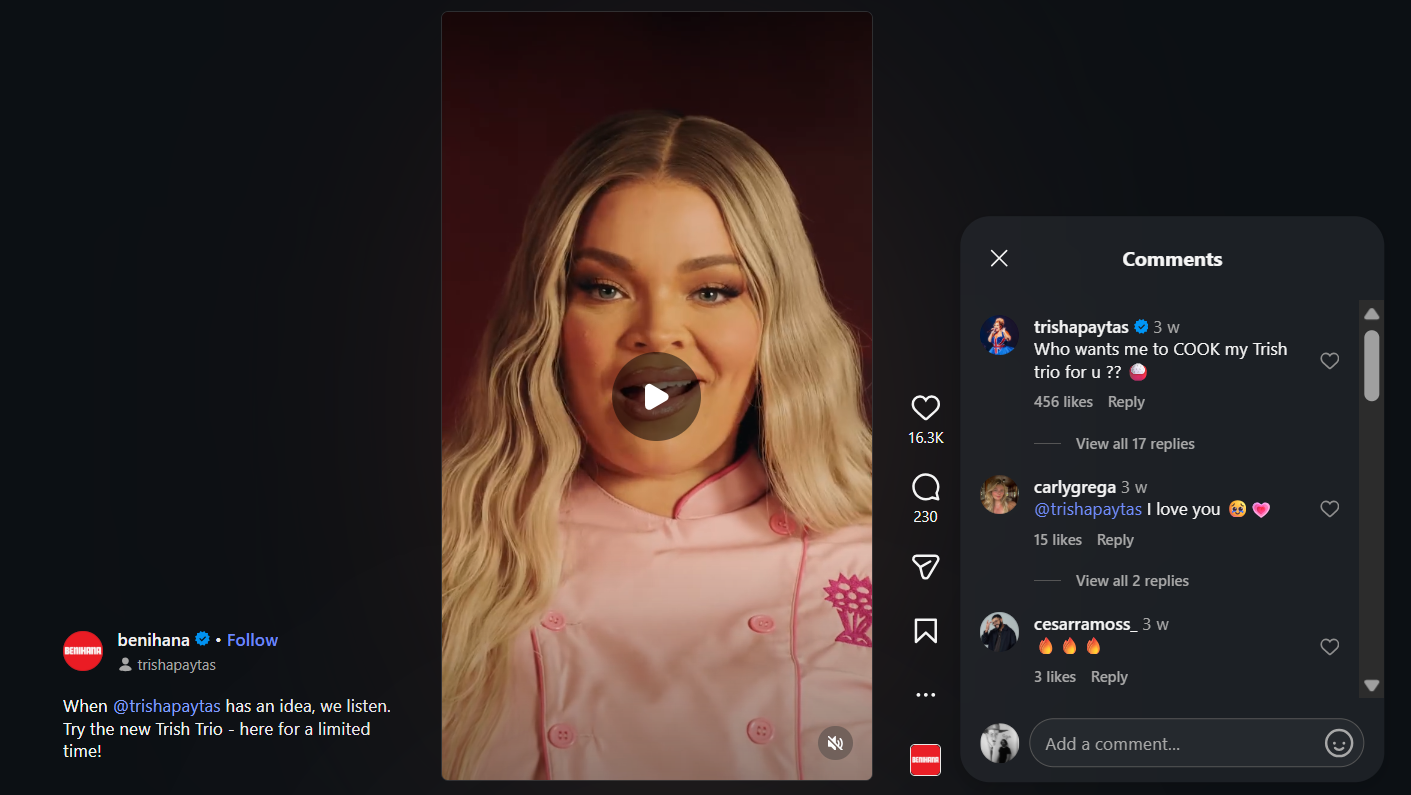
Investing in seamless processes, as well as consistent communication and feedback with creators helps build strong relationships and fast-tracks them to become reliable brand ambassadors.
Continuous stream of fresh content ideas
Influencers are tuned into the latest social media trends since their work revolves around creating highly shareable, engaging content. They know what their audience loves, so they can develop original sponsored content ideas to make your brand stand out.
By working programmatically, you can build in campaign planning time to brainstorm with your creator partners directly. This gives you more one-on-one time to build relationships with them and ensures that their voices are heard in the planning phase, making them feel valued while contributing to fresher campaigns for your brand.
Stronger data benchmarks
Influencer marketing is often an iterative process. Social marketers need to have the time to try new things, reviewing what works and what doesn’t to build more reliable successes in the future. That’s only possible if you have access to campaign data.
It’s important to first set clear success metrics for your creator content, so you have benchmarks to judge performance against.
Tools like Sprout Influencer Marketing include features like Reports that offer you detailed insight into campaign performance. You also have access to real-time competitor share of voice and benchmarks, which means you can replace guesswork with concrete intelligence. The stronger your data is, the faster you can deliver and improve on your creator collaborations.
How to manage influencers: A step-by-step playbook
There are influencers for every industry, social media network and budget. But all flavors of influencer management follow the same playbook. Elevate your creator campaigns to be a core marketing function with these six steps on how to manage social media influencers:
1. Automate discovery and alignment
First, you must clearly understand your target audience and brand to know what you want in an influencer. Then, evaluate potential partners by reviewing their interests, past collaborations, engagement metrics and follower demographics to find your perfect fit.
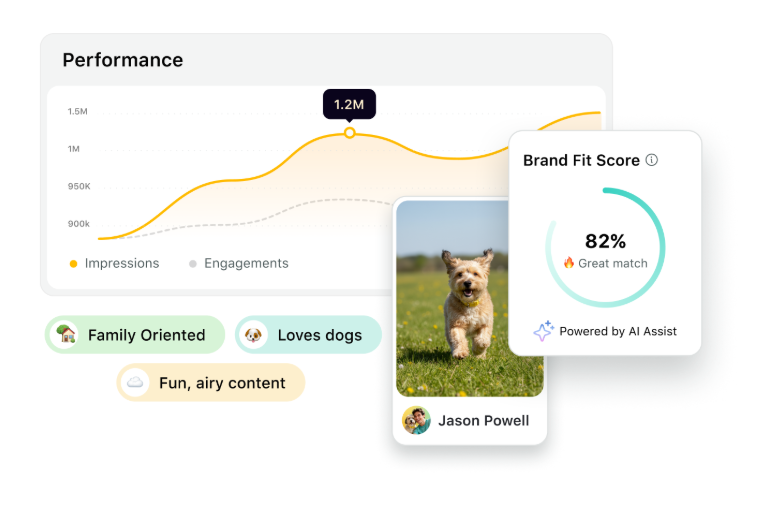
When researching, lead with what creators are talking about on their accounts, as algorithms reward topical focus. Sprout uses an AI-powered natural language search that helps you find creators simply by describing the type of content they create.
You can confirm their fit further by using Brand Fit Score, which instantly determines how well-aligned a creator is with your brand, eliminating the need for tedious manual audits. This also expedites the approval process, helping you quickly justify creator selections to leadership by demonstrating their fit score. Larson uses Brand Fit Score when sourcing influencers, adding: “We typically begin by establishing the right Brand Safety and Brand Fit Score criteria based on the client’s goals, audience and values. The Brand Fit Score helps validate what we’re looking for and surfaces creators who align with the brand.”
2. Expediting recruitment and contracting
Start with a pitch template, which is an outline you can use to standardize influencer outreach. By incorporating pitches into your influencer outreach email template, you can quickly contact them about a campaign with all the relevant information about your brand and preferences.
Use Sprout’s Creator Lists to manage your influencers in a dedicated CRM. Within Creator Lists, you can leverage AI-driven suggestions, recruitment forms, built-in compliance support and further guidance on what to include in your influencer contracts.
Once you’ve agreed to collaborate, make sure your contracts are consistent and comprehensive, as this reduces campaign confusion later down the line. Create an influencer contract template so you can streamline this process when delivering at scale in the future.
3. Setting up the creative brief
As with contracts and outreach, the best way to approach creative briefs is to first create an influencer marketing brief template that already includes basic brand information.
Then customize the campaign direction to guide an influencer through your vision without suffocating their own voice. You should create a balance of hard requirements (non-negotiables for your brand like verbal calls-to-action, tag placement, etc.) and more flexible guidelines where you’re hoping to lean more on their input.
4. Streamline content approvals and compliance
Because content creation is a creative process, it requires strategic feedback loops for review and approval. Map out a content approval workflow to build in clear deadlines for drafts and sign-off. With a tool like Sprout Influencer Marketing, you can create workspaces for agencies, brands and creators to collaborate in a shared space that streamlines what might otherwise be complex approval lists.
Be sure to track industry-specific disclosure regulations, regional requirements and platform rules, and keep your creators well aware of these standards to protect your brand. Leverage features like Sprout’s Brand Safety Reporting, which lets you customize red flags unique to your brand, even utilizing automated safety audits across a creator’s entire posting history to check for things like profanity, controversial topics or misaligned themes. This offers an extra layer of security to keep creator content on-brand.
5. Campaign launch and paid amplification
For launch day, further standardize your go-live procedure and how posts will be amplified. By spending the time to standardize ahead of time, it becomes much easier to replicate each campaign launch moving forward.
Set clear reminder processes and schedule your posts so you know when all of your content will be published. To connect your top-of-funnel impressions with your final results, spend the time to create UTM links, promo codes and conversion pixels before posting.
Establishing a single unified workspace and source of truth for campaign launch and management enables visibility across teams, so everyone is informed of vital details. Larson’s team finds strong value in a shared workspace: “What saves the most time is having the data, creator discovery and presentation tools all in one place. Instead of spending hours across multiple platforms and spreadsheets, we’re able to focus on evaluating fit, building strategy and providing clients with thoughtful recommendations backed by data.”
Make sure stakeholders have access to reporting and listening dashboards, and refer to them regularly during and after the promotion. This enables your team to monitor performance and inform real-time optimizations.
Make further use of integrations like Sprout’s Meta Partnership Ads Integration to further streamline network-specific amplification. This means you can boost posts directly from where you’re already managing your influencers, rather than jumping between different solutions.
6. Reporting and payouts
Campaigns don’t end at publication—reporting is essential for continuous improvement. Automated reporting capabilities within Sprout enable you to create custom data visualizations tailored to the needs of specific teams and stakeholders who need visibility into creator metrics.
Make sure influencers and creators are paid appropriately and on time to maintain strong relationships with them. State payment terms clearly in your contract, and keep to industry standards like net-30 days. Sprout’s payments functionality includes built-in integrations with PayPal and Lumanu to enable globally compliant payouts directly from the campaign workflow, so you can deliver payments on time. Transparent, fast payment processes should be a standard, and make it far more likely that creators will want to collaborate again in the future.
Overcoming influencer management challenges
Influencer management involves frequent coordination and communication. Everyone has their own schedules and preferences. It’s your job to manage expectations, get everyone on the same page and keep track of all the moving parts.
Here are several common issues that can come up with influencer management and how to handle them.
Not following the campaign brief
If the influencer doesn’t understand the brief or misses essential details, they might create content that doesn’t fit your brand’s needs. To avoid this scenario, be crystal clear about what you want from the beginning by sharing a detailed campaign brief.
Further to the brief, schedule regular check-in calls to answer questions and provide examples of what you’re looking for. Beyond keeping creators on task, this helps you leverage their expertise and deepen collaboration.
Timing issues in campaigns
Timing can make or break a campaign. If an influencer posts about a product launch too late, the campaign won’t generate enough attention. An influencer posting too frequently or infrequently can also impact the results. These issues are why setting clear deadlines is essential. Use scheduling tools to keep everything organized, making sure to build in a buffer around launch time so you have some breathing room if anything is stalling. This also makes space for any problems outside of your control. Lean on automated reminders to keep everything flowing.
Poor content quality
If an influencer’s content isn’t up to par, it might be because they didn’t have enough resources or understand what’s required. To avoid this, have the influencer submit content drafts well before the campaign goes live and offer feedback to help them refine it. Be clear and transparent with them at all times, and work together to solve any problems.
High reach but low engagement
This issue can arise with macro and mega-influencers with broad audiences. These influencers may have millions of followers, but their audiences aren’t the most engaged. To avoid this issue, don’t just partner with the biggest influencers you can find: campaigns can be far more impactful when you partner with influencers who have a highly-engaged following. As Larson emphasizes, “At the end of the day, we’re looking for trust. Whether a creator has 1,000 followers or 1 million, the most effective partnerships happen when audiences believe the person behind the content. That’s something no follower count can measure on its own.”
Micro and nano-influencers may have smaller followings, but they often curate highly-engaged niche communities. If the interests of these communities overlap with yours, it’s far more likely they’ll interact with the collaboration and want to follow along for more.
Inadequate reporting post-campaign
Without good reporting, you miss out on learning what did or didn’t work. One way to avoid this is to identify the critical influencer marketing metrics and results you’ll track from the start. For example, Sprout Influencer Marketing offers link-tracking that enables users to add UTM parameters and platform pixels to gather full-funnel performance insights. Alongside Sprout’s automated reporting features, you can customize your reports so they’re as relevant as possible to your campaign goals.
Late influencer payments
The more influencers you work with, the more difficult onboarding and paying creators becomes. When a campaign wraps and compensation is due, teams often have to navigate multi-step administrative due diligence and manual workflows.
If you’re relying on a siloed system to pay creators for you, you’re more likely to risk delayed or non-existent payouts. Sprout Social Influencer Marketing’s built-in payment solution enables you to compensate creators right from your active campaigns. Marketers can track and initiate payments seamlessly, while finance teams can fund invoices and set up a single master vendor via Lumanu to make onboarding more efficient. Ensuring creators are paid quickly makes managing the relationship easier and cements a positive experience for the influencer.
Choosing an influencer management tool
Ultimately, the best way to manage an influencer marketing campaign is to use influencer marketing tools. These platforms are designed to streamline and organize every part of a campaign. They help you move away from manual processes towards an automated system.
Some must-have features when looking for an influencer management tool include:
- Influencer discovery: Features that make it easier for you to research and vet influencers.
- Integrations: The ability to integrate with other tools you’re already using.
- Automations: Features that let you automate recurring processes to streamline campaign management.
- Content support: Content creation capabilities that mean you can assist your influencers with the creative process where needed.
- Brand safety: Further brand safety functionality that can safeguard you and your campaigns.
- Streamlined collaboration and approvals: A system that can help you fully streamline recurring processes and work better as a team.
- Payments: The ability to pay creators directly from the platform, which makes it easier to track your payments and deliver them on time.
- Publishing calendar: The ability to publish and track your campaigns directly within your management tool, across several different networks.
Here are three of our top recommendations.
Sprout Social Influencer Marketing
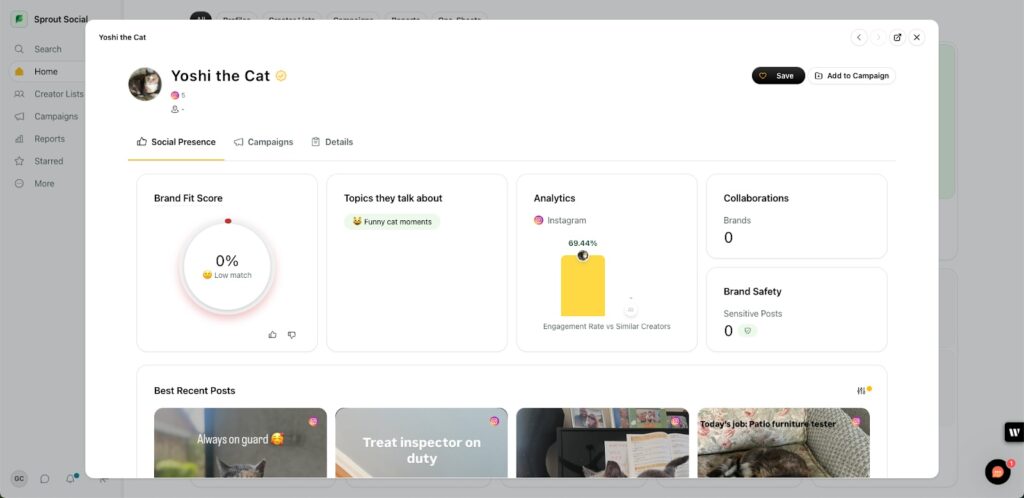
Sprout Social Influencer Marketing is an end-to-end AI-powered influencer management tool. It’s built for evolving social algorithms that prioritize discovery over followers. Sprout includes many time-saving capabilities, from custom landing pages that attract, qualify and capture prospective influencers to social listening, competitive analysis and reporting templates.
The platform also has in-app portals for real-time communication and integrations with Reddit, Salesforce, Shopify, Dropbox Sign, Meta Advertising, PayPal, Lumanu and Okta.
Heepsy
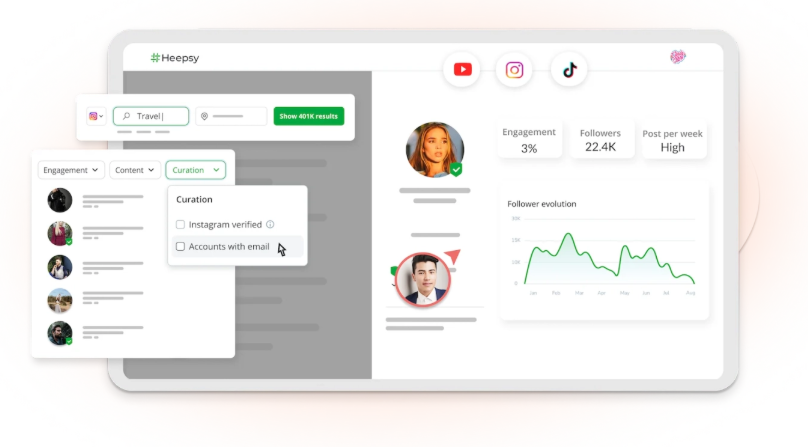
Heepsy offers tools for discovering and working with influencers. It provides access to influencer data like engagement rates, growth trends, follower demographics, and interest and behavior data. The tool allows users to analyze influencers’ past posts to predict future campaign performance and check if an influencer is legitimate.
Pitchbox
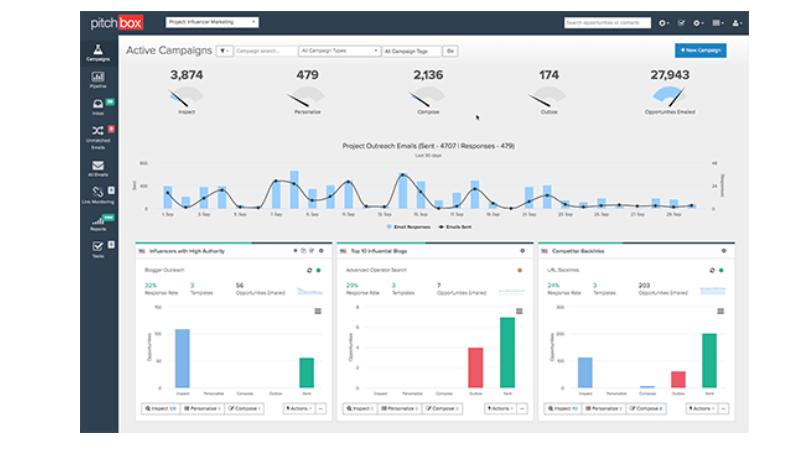
Pitchbox helps users save time on influencer outreach with customizable pitch templates and automated follow-ups. It allows users to track their progress with campaign performance reports and custom data analytics.
The key to efficient influencer management processes
Influencer management is a highly collaborative process with a lot of stakeholders involved. Success is driven by clear communication and mutual respect across all parties.
Fortunately, you don’t need to build a process from scratch. Start optimizing your influencer management strategies today by trialing Sprout Influencer Marketing, a comprehensive tool that streamlines every side of influencer marketing. Sign up for a demo today.
The post Influencer management strategies: How to manage influencers at scale appeared first on Sprout Social.
from Sprout Social https://ift.tt/CsIPE3U
via IFTTT

No comments:
Post a Comment