The days of mass emails and faceless alumni newsletters are over. Modern graduates demand genuine, two-way conversations and personalised experiences. To truly unlock loyalty, mentorship, and vital support, you must shift your strategy. Activate your presence where your alumni already are: on social networks. This is where deeper connections are forged and sustained, long after graduation day.
For UK universities, this means turning social from a broadcast channel into a community hub where two-way conversations thrive. A strong social media strategy enables alumni engagement teams to build active, personal and measurable alumni relationships.
Here’s how UK institutions can strengthen their alumni ties through social.
Why alumni engagement matters more than ever
Strong alumni engagement fuels every part of an institution’s success, from fundraising and mentorship to reputation and recruitment. But the way alumni keep in touch with universities is evolving. In today’s digital-first culture, those connections increasingly begin and grow on social media.
Here’s how alumni engagement is evolving across the UK.
The state of alumni engagement in the UK
Recent UK data shows that alumni want to stay connected with their past universities, but on their terms. According to the British Council’s Alumni Voices survey of international graduates of UK education, almost 80% prefer to hear from their former institution on social media.
Past students also value the real-world impact of these connections. In fact, as Universities UK found, 78% of UK graduates agree that support from their university has helped them find a job.
But a significant gap still exists between alumni enthusiasm and universities’ capacity to reach them. Access’s 2024 VAESE report found that budgets for outreach have decreased over the past decade for 30% of alumni relations professionals. That’s despite 65% saying that increasing engagement was their top priority. On top of this, 15% admit that they struggle to compete for alumni attention amid the noise of all other organisations trying to engage them.
With lower outreach budgets and too many messages vying for alumni attention, generic email updates and once-a-year mailers clearly don’t cut it anymore.
This environment provides an opportunity for social. Alumni want you to make it easy for them to see opportunities in mentoring, volunteering, fundraising and attending reunions. Social networks offer the ideal place for precisely this kind of connection.
Social provides a built-in space for genuine, two-way communication in a place where alumni already spend their time. It also lets you share relevant updates, celebrate achievements and spark meaningful conversations that strengthen your public story and bring alumni back into the fold.
What today’s alumni expect on social
Today’s alumni want quick replies, content that speaks directly to them and stories that reflect their stage of life.
But where you reach them matters too. Alumni expect you to meet them where they already are, and that varies by generation. If you’re looking for mentors or donors, for instance, you’ll likely find more Gen X alumni on Facebook. But if you want content creators or event ambassadors, you’ll reach Millennials and Gen Z more effectively on Instagram or TikTok.
The 2025 Sprout Social Index™ UK Edition shows that Instagram remains the network people use most to keep up with what’s current, followed by Facebook and then TikTok. However, different age groups still gather in different digital “hangouts”, so where your audience spends time may vary by generation.
As Sprout’s 2024 Social Media Content Strategy Report shows, Instagram tends to pull in Gen Z and Millennials, Facebook remains the mainstay for Gen X, and TikTok’s audience is largely Gen Z.
So your job isn’t to post everywhere. Instead, it’s to map alumni cohorts to the channels they actually use, then serve them content that feels relevant to them and build a community around it.
How to build a social-first alumni engagement strategy
Your university has thousands of alumni, all with different goals, careers and interests. Knowing who they are and what they value helps you celebrate their achievements, support their ambitions and connect them with like-minded peers.
To capture the right alumni attention, start by grouping them based on shared interests, goals and experiences. Then tailor your outreach to deliver the updates, opportunities and recognition that matter most to them.
Here’s how to use social to segment your alumni, tailor your content and create the kind of engagement that lasts:
Segment your alumni audience
Not every graduate wants the same kind of message. Segmenting alumni helps you send the right message to the right person.
To start, use your analytics tools to review patterns in your alumni data. Look at graduation year, location, degree discipline, giving history and preferred social channels. For example, you might find that graduates aged 22–30 use Instagram and TikTok for career inspiration, while donors aged 40–55 prefer LinkedIn and Facebook for corporate alumni engagement opportunities.
Once you know who your audience is and where they spend their time, tailor your content to each group in the following ways:
- Younger alumni: If your younger alumni spend more time on your university’s TikTok, focus on short-form video, Reels or Q&A Story stickers that highlight early career journeys or social impact projects. These formats feel personal and immediate, helping newer grads see your institution as a continued part of their story.
- Mid-career professionals: If this group leans toward LinkedIn, try posting mentorship opportunities, alumni spotlights or career milestones. For audiences that value professional growth and recognition, content that connects their success back to the university strengthens loyalty and pride.
- Older graduates and long-time supporters: If older alumni are more active on Facebook, offer nostalgic throwbacks, event recaps and community recognition posts. These types of content evoke emotion and shared history, which reinforces their long-term bond with the institution.
Remember, you’re aiming to create mini-communities that reflect different stages of life.
Choose the right channels and content
Each social network serves a distinct purpose in your alumni engagement strategy. Understanding the role of each network helps you match your message to the audience and their mindset.
Here’s how to use each social network to strengthen alumni connections across every stage of their journey:
LinkedIn for professional storytelling
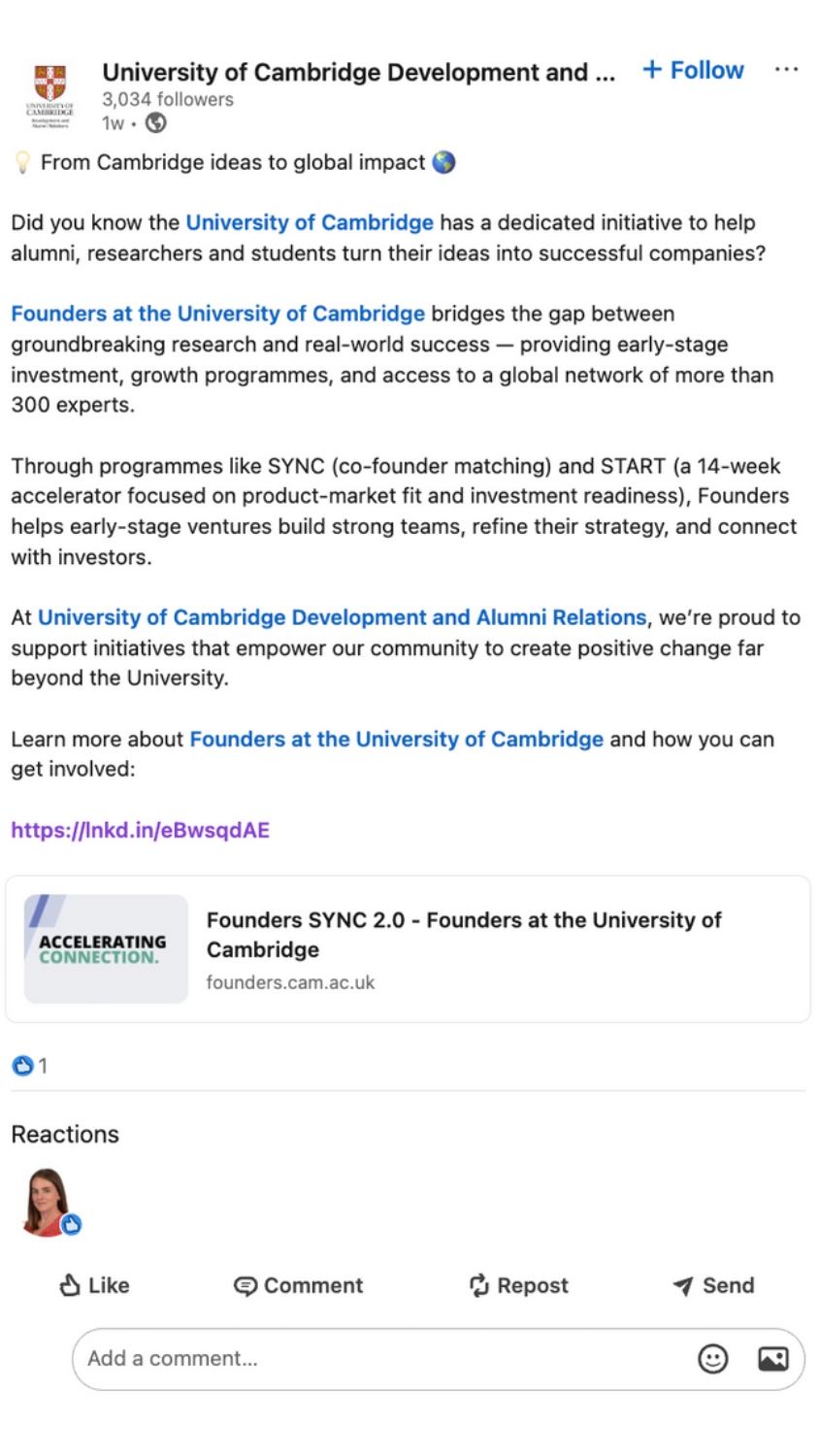
LinkedIn is where alumni showcase their careers and build credibility, which makes it ideal for highlighting the professional impact of your institution. Use this network to post success stories and mentoring opportunities. You could also share alumni-led initiatives that highlight alumni achievements and encourage others to take part in the community. Try short videos on how university experiences shaped careers or carousels highlighting alumni businesses to strengthen professional pride and connection.
Here’s an example post of how the University of Cambridge uses LinkedIn to showcase its alumni initiatives:
(Source: LinkedIn)
Instagram for visual connection
Instagram thrives on authentic, emotional storytelling. Post Reels that reflect this authenticity, like alumni life updates, throwback photos or quick polls about favourite campus memories. For example, a #WhereAreTheyNow series will bring faces and stories back to life in a format that alumni will love to share.
Facebook for community and nostalgia
Facebook connects multi-generational alumni through shared memories. Facebook Groups offer the perfect place to reminisce, share updates and keep long-running traditions alive. Try posting reunion albums, “On This Day” throwbacks or old campus photos asking, “Who remembers this spot?” These nostalgic posts invite conversation and reignite lasting bonds.
TikTok for creative engagement
TikTok helps you reach younger alumni through humour and trends, so lean into playful, nostalgic content. Share quick “Then vs Now” videos, post-uni life hacks or glow-up clips. Another option is to run challenges like #UniThrowback, inviting grads to post old campus clips or first-day photos, tagging friends and the university to keep the community conversation going.
Celebrate and recognise your alumni
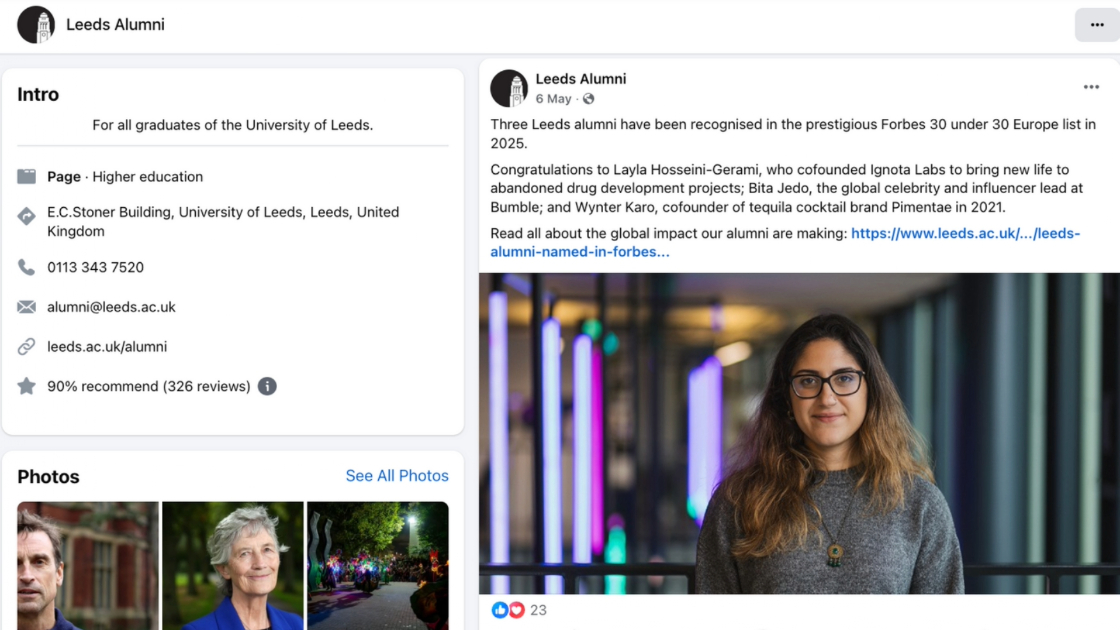
Alumni engagement grows when you recognise and value your graduates’ achievements. You can celebrate these milestones with posts that spotlight promotions, new ventures, awards and family announcements.
Here’s a great example post by the University of Leeds that shines a spotlight on its Forbes 30 Under 30 graduates:
(Source: Facebook)
To further widen your reach, tag the alumni in the post and encourage them to share it with their networks.
But how do you uncover these stories? Encourage your alumni to share content about their new ventures and use social listening tools to track mentions and related keywords to surface stories that are worth celebrating. Then share that user-generated content (UGC) on your channels with captions that recognise their contribution.
5 alumni engagement ideas for UK institutions
Once you know your audience and platforms, it’s time to bring your alumni engagement strategy to life.
Try these five alumni engagement ideas to turn posts into opportunities to strengthen mentoring, international student recruitment and fundraising year after year:
1. Involve alumni as creators, not just an audience
The best alumni engagement strategies treat graduates as collaborators rather than merely content targets.
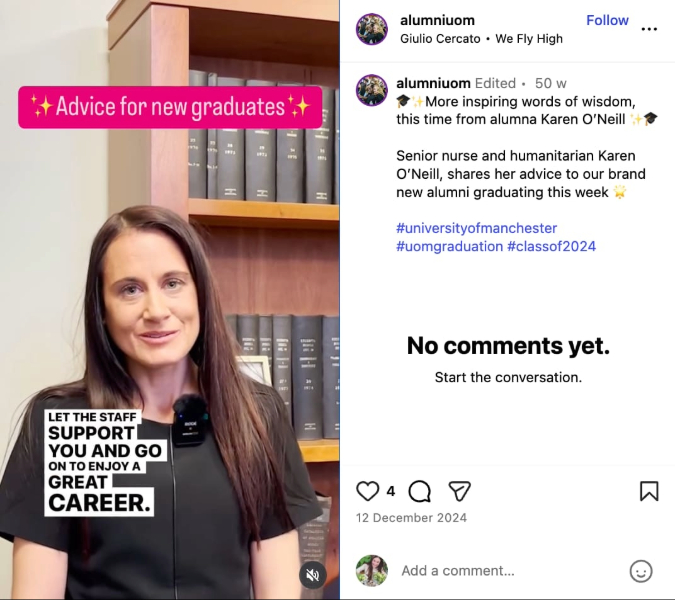
Today’s alumni want involvement, not just one-way communication. To meet that expectation, bring them into the narrative by inviting them to co-create stories that show life after graduation. Ask them to contribute Instagram Stories takeovers, short video clips about career milestones or quote graphics reflecting on their experiences during and after university.
For instance, the University of Manchester encourages past students to offer advice to future graduates in Instagram Reels:
(Source: Instagram)
To garner the most attention, encourage alumni to tag your institution or use a branded hashtag. This process helps you build an alumni community that celebrates and recognises graduates, while generating authentic UGC that builds trust.
And remember, alumni are already a trusted voice in their own circles. By tapping into those influential people, you’ll multiply your reach across their networks. For example, if you’re running mentorship programs and need advocates to promote them, reach out to UK student influencers and alumni ambassadors who represent your uni’s values.
Rather than searching for these creators manually, use Sprout’s Influencer Marketing platform (a paid add-on) to find and vet relevant influencers who align with your goals and already engage with the audiences you want to reach. It uses AI-powered data to evaluate creators for brand fit based on the topics they talk about.
The platform also lets you review their performance metrics and build authentic partnerships that expand your alumni network—all while keeping every collaboration on brand.
Book a personalized Influencer Marketing demo to learn how Sprout will help you connect with like-minded creators.
2. Incorporate event-driven campaigns
Alumni engagement thrives when you link your community through meaningful milestones. Achieve this task by anchoring your campaigns around key moments, like Giving Days, reunion weekends, graduation anniversaries or alumni awards. These events already hold emotional weight, but social media amplifies them to help you spread that enthusiasm.
Here are a few ways to build out your content calendar around these peak moments and build a strategy that rallies your alumni:
- Before: Try building anticipation with countdown posts, teaser clips and throwback photos from past reunions. Encourage alumni to share memories or tag old classmates to spark early conversations.
- During: Capture the real-time buzz of events with Instagram Stories and TikTok videos. Post your own content while also encouraging attendees to share on their Feeds and tag their friends and your establishment so their networks see the energy firsthand.
- After: Keep the momentum going with highlight Reels, photo carousels and “wish you were here” moments that create a fear of missing out (FOMO). To nudge people to join the next event, try posting social media contests for free tickets.
Take a look at how the University of Southampton creates FOMO with its Facebook post about a recent networking event:

(Source: Facebook)
This kind of timely, event-based storytelling reminds graduates that their alma mater still values their place in the community and welcomes their involvement.
3. Lean into nostalgia with archival content
Few tactics resonate more than nostalgia. It’s emotional, inclusive and instantly bridges generations.
To nurture that nostalgic feeling, dig through your university archives to create throwback series like “On This Day”, “Then and Now” campus comparisons or weekly trivia posts about past events. Encourage your followers to engage by prompting them to tell stories in the comments. For example, ask questions like “What’s your favourite memory from Freshers’ Week?” or “Who was your most inspiring lecturer?”
These prompts turn wistfulness into conversation and help alumni reconnect with each other naturally.
But to keep this nostalgia flowing, you’ll need a steady supply of past photos, yearbook scans and campus moments—and they need to be easy to find. Sprout’s Asset Library will help by giving you one searchable home for those visuals. So you’re not digging through old folders every time you plan a post.
4. Create peer-to-peer connection opportunities
Your institution isn’t the only voice in the alumni conversation. Alumni engagement should also incorporate other people’s stories as you help graduates connect with one another.
Social channels offer the perfect meeting point to bring these ex-students together. For example, LinkedIn or Facebook Groups offer the ideal hubs to encourage peer-to-peer interaction. There, alumni can network by degree, location or profession.
Here are some of the best ways to create networking opportunities in these groups:
- Run a monthly spotlight series that introduces alumni mentors to current students or peers who are looking for guidance.
- Host virtual coffee chats or Q&A sessions where graduates share industry insights or career lessons.
- Promote volunteer and career support opportunities that encourage collaboration and build long-term trust.
- Feature alumni-led projects or businesses to inspire others and strengthen professional networks within your community.
This kind of network building fuels long-term engagement because once alumni start supporting each other, the sense of belonging grows naturally.
5. Use storytelling frameworks
Behind every engaged alum is a story worth telling. But to truly capture your graduates’ journeys, you need to move beyond simple shoutouts and instead share narratives that motivate action.
Using a strong storytelling framework will help you tell these stories in an engaging and inspiring way. When relaying a graduate’s experience, for instance, start with the challenges they faced, highlight the turning point, detail the outcome and finish with a call to action. This approach will encourage others to join mentoring programmes, contribute to fundraising efforts or reconnect through the alumni network.
Stories like these show alumni what connection looks like in action and why it’s worth staying part of the community.
Prove the value of your alumni engagement strategy
To get more value from your alumni engagement strategy, you’ll need to measure impact and use those insights to refine what you do next. When you track impact in this way, you see what drives action and what needs adjusting so your social media truly supports your wider goals.
Here’s how to measure alumni engagement and put those insights to work:
Define what engagement actually means
To truly define impactful engagement, you’ll need to measure real, meaningful connections, not just vanity metrics. To see where people truly connect, track a mix of:
- Actions (such as likes, comments and shares)
- Behaviours (like career fair signups, event attendance or replies to DMs)
- Sentiment (positive mentions or testimonials)
These signals reveal whether your communications strategy builds genuine, lasting relationships that encourage graduate involvement in real life.
Track the right metrics
Once you know what engagement looks like, you’ll need to know how to measure alumni engagement to reveal both reach and real-world impact.
This simple KPI model links social activity to tangible outcomes, allowing you to measure that engagement at each level of the funnel to see what drives impact:
- Top-of-funnel: Track reach and impressions to understand how many alumni your content actually reaches and which channels drive awareness.
- Mid-funnel: Monitor clicks, shares and sentiment to see how well your content resonates and whether it’s sparking meaningful conversations.
- Bottom-of-funnel: Measure actions like event attendance, donations from social or mentoring sign-ups. These metrics give the clearest indicators that your efforts inspire real participation and support.
Set up a recurring reporting workflow
Consistent reporting keeps your strategy accountable and actionable. By conducting regular content reviews, you’ll see which campaigns drive the most engagement, which audiences respond best and where to focus future outreach.
For a clear view of your performance, you need analytics tools that help you track how different posts, themes and campaigns land across channels. Tools like Sprout’s Premium Analytics (a paid add-on) and Tagging features make it easier to organise that data and pull meaningful insights without manual spreadsheets.
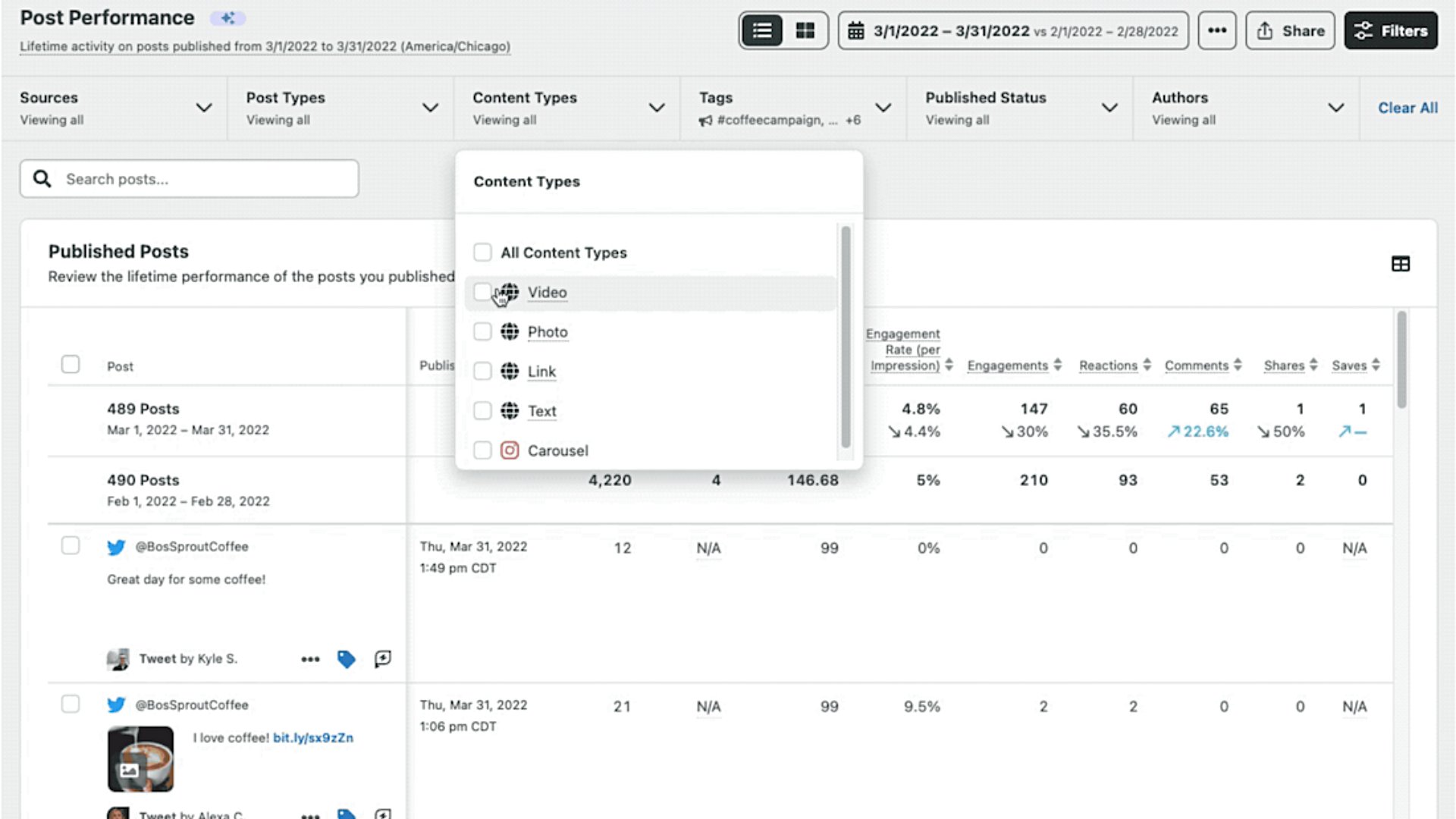
The platform allows you to tag posts by campaign, region or alumni cohort, then build custom reports that highlight post performance trends over time. These insights show you how to refine your approach, communicate results clearly to leadership, and keep your alumni relations strategy data-driven and forward-looking.
Bring your alumni community closer
Your alumni already live and connect on social media, so that’s where your community should grow. This space is where you celebrate their achievements, spark conversation and inspire participation both on and offline.
But to do this well, you need to streamline your outreach, understand who’s active where and measure what works.
Sprout helps you do exactly that by unifying your social data, tracking audience behaviour and revealing which content drives the strongest alumni engagement. Try a free demo today to see how Sprout can help you turn every interaction into a more connected, active community.
The post How to improve alumni engagement with social media: A guide for UK institutions appeared first on Sprout Social.
from Sprout Social https://ift.tt/0WcYwiD
via IFTTT

No comments:
Post a Comment