Tuesday, 25 June 2024

How to end an email: Avoid awkward sign offs and master the close

How to end an email: Avoid awkward sign offs and master the close

Ever sent an email and agonized over what’s a good closing sentence? 

This guide to professional email closings will put those awkward moments behind you.

Packed with clear explanations, funny anecdotes, and a library of ideas and examples, this resource will transform your email endings from an afterthought to a strategic asset.

Find out how to sign all types of emails (and how *not* to sign them) in the guide below.

@twelve3media spiraling is the theme this week #emailsignatures #agencylife #unhingedemail ♬ Funny video "Carmen Prelude" Arranging weakness(836530) - yo suzuki(akisai)

What is an email sign-off?

An email sign-off is the short word or phrase you use before your name at the end of an email.  Email sign-offs convey the tone of a message while signaling the end.

Email sign-off v. email signature: What’s the difference?

An email sign-off is the closing phrase used to signal the end of your message. An email signature is the block of text that contains your name, title, company, and contact information.

Email sign-off:

  • Best regards
  • Sincerely
  • Thanks
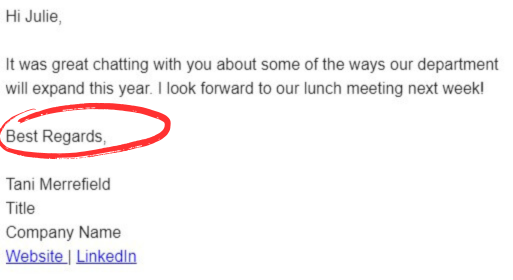
Email sign off example - best regards

Email signature: 

Jane Doe
CEO
JaneDoeFitness.com
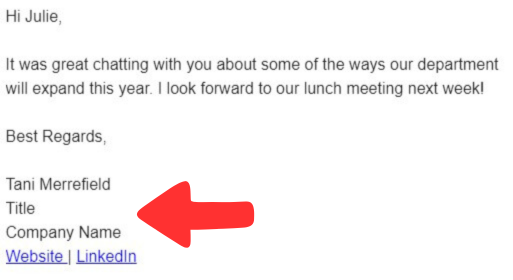
Email signature example

Why a good email sign off matters

Closing your email with the right sign off builds better relationships. The right closing line can personalize your communication in ways that boost your response rate and brand sentiment.

A good closing line can help set the tone for future communications. 

For example, a good sign off can do any one of the following:

  • Convey a positive emotion.
  • Spark a response.
  • Establish authority or professionalism.
  • Show respect or courtesy.
  • Make the reader smile or laugh.

👉 Nearly all email users (99%) check their inbox daily and spend an average of ten seconds reviewing each brand email. 

Most people do see your email sign offs, so how you end your emails matters.

How email sign offs affect response rates

Thinking of skipping that email sign off in your marketing emails? If so, be warned you may lose potential sales.

One study found that appreciative-style sign offs get as much as a 14% higher response rate than friendly or warm responses.
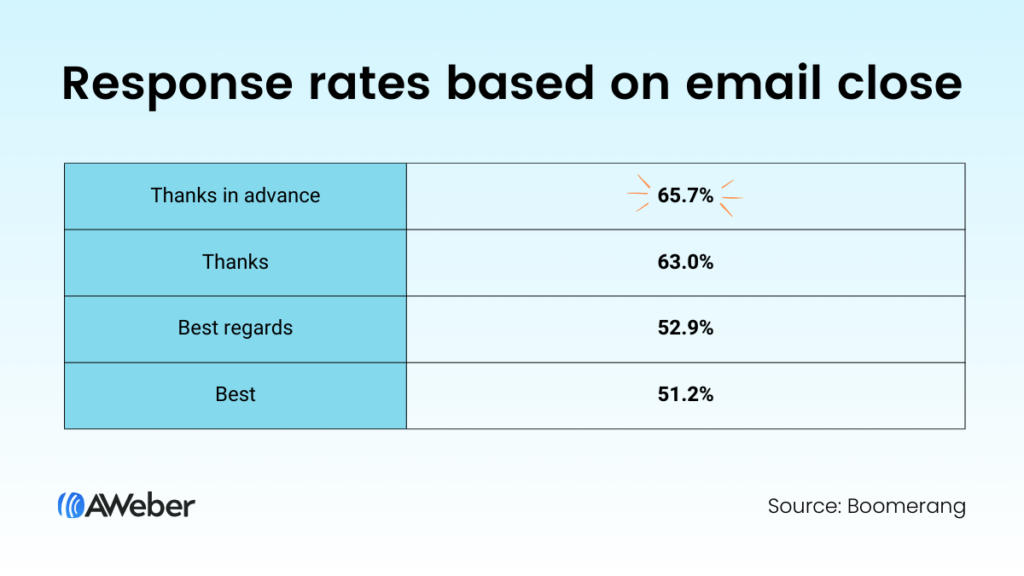
how email sign offs affect response rates: Thanks in advance: 65.7% Thanks: 63.0% Best regards: 52.9% Best: 51.2%

However, one study doesn’t mean you should tag “Thanks in advance” at the end of every email. Higher response rates rely on many factors, including your message and relationship with the reader. 

Choose closing lines that align with your company’s personality, email content, and target audience. 

And don’t hesitate to experiment! 

Like any other type of email content, the best results come from testing different approaches and monitoring your metrics to learn what’s best for your KPIs. 

How to write a good email sign off

The best way to end an email depends on your message and its reader. If you’re writing on behalf of your company, brand voice guidelines play a heavy role in how you craft emails.

Who is your reader? 

What is the age, location, culture, and mindset of the person(s) you’re writing to?

Think about how the sign off may be perceived by people in different locations, age groups, and cultures.

Reddit post talking about best regards vs regards in Minnesota

Source: Reddit

What’s the email context? 

Match the tone of your sign off to the email message. Align your closing with the formation of the email’s content.

What company are you representing?

Follow your brand’s voice and tone guidelines to ensure the sign off fits with its personality. 

What emotion do you want to convey?

Do you want to close your email with a touch of warmth, humor, professionalism -- or something else?

Email sign off do’s and don’ts for professionals

Here are the most basic rules for composing a professional email sign off.

Email sign off “Do’s”

  • Do align endings with your brand voice. Fit your closing line with the overall tone of your company.
  • Do match sign offs to your email message. For example, use something like “Sincerely” for a formal request and “Thanks” in response to a favor. 
  • Do consider your reader(s). Current events, personal religious practices, and language variations play a role in how your closing line is perceived.
  • Do keep it short. Long sign offs are distracting and sometimes annoying.
  • Do spell-check your email sign offs. Remember to include your sign off line when spell-checking!

Reddit post talking about what not to do in an email sign off

Source: Reddit

Email sign off “Don’ts”

  • Don’t add too much personality. Avoid overly quirky sign-offs that distract from your message.
  • Don’t use sarcasm. In written communication, sarcasm is easily misinterpreted.
  • Don’t skip the sign off. Not including a closing line may sound abrupt or feel distant.
  • Don’t go emoji-crazy. A parade of emojis 😻🥳 🥰🤣🤯 is a turn-off in most professional settings. Don’t use more than one (if that).
  • Don’t forget to keep it professional. Closings such as “xoxo” or “yeehaw” are not for business emails!

13 Email sign offs to avoid at all costs

If you’re in the habit of using any of these sign off lines, it may be time to make a change.

  1. “Best” is sometimes misinterpreted as abrupt or insincere.
  2. “Regards” feels formal and distant.
  3. “Cheers,” unless you’re British, feels insincere.
  4. “Yours truly” is outdated and overly formal.
  5. “Take care” seems dismissive and overly casual.
  6. “Peace” is overly casual and sometimes inappropriate.
  7. “With all due respect” sounds confrontational.
  8. “Have a nice day” may sound insincere or cliche.
  9. “Take it easy” comes across as too informal and sometimes flippant.
  10. “Looking forward to your response” can feel passive-aggressive.
  11. “Yours sincerely” or “Yours faithfully” is outdated and way too formal.
  12. “XOXO” or other overly-friendly sign offs.
  13. Abbreviations such as “Thx” or “Rgds.”
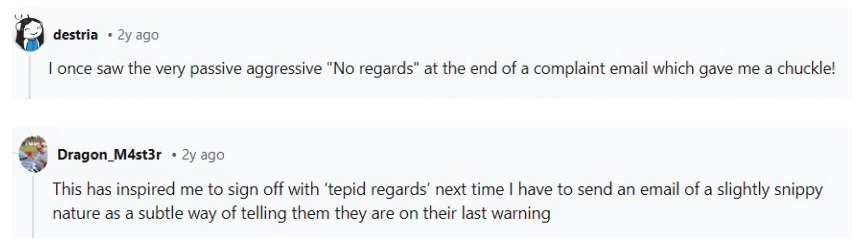
Reddit posts talking about different email sign offs

Source: Reddit

Email sign off examples for every occasion

Looking for ideas for your next formal, funny, or appreciative email? You’ll find these and more in the lists below.

Formal email sign offs

Closing an email with a formal sign off works great for traditionally formal workplaces such as law and finance companies. 

These also work well for formal departments, like Human Resources or legal, within any company.

  • Sincerely,
  • Regards,
  • Best regards,
  • Respectfully yours,
  • Thank you,

Warm email sign offs

Warm email closings are a great choice when you want to convey a sense of warmth while still maintaining professionalism.

  • Warm regards
  • Thanks,
  • Cheers,
  • Have a great day/weekend.
  • All the best

Friendly email sign-offs

Ending your email in a friendly tone is a nice way to close a conversation with someone you know and like.

  • Kind regards,
  • Looking forward to hearing from you,
  • Have a wonderful day/week
  • Until next time,
  • See you there!

Appreciative email sign offs

  • With appreciation
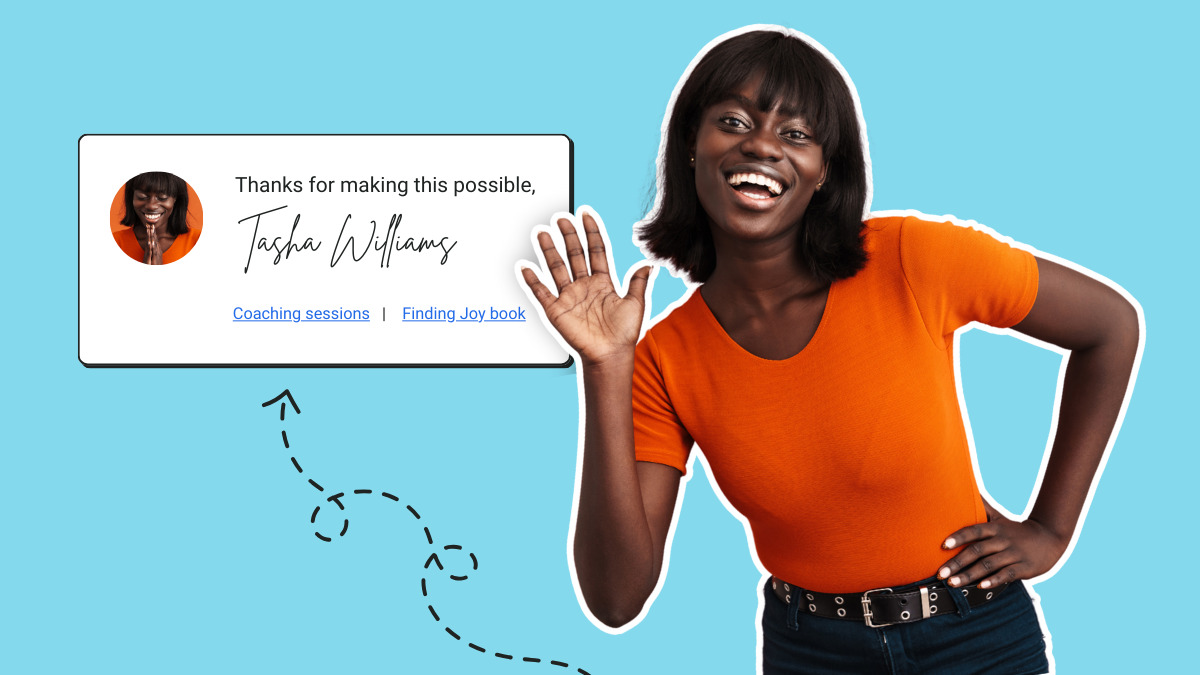
  • Thank you for making this possible
  • Thanks for your consideration
  • Thanks again
  • Thanks again, and have a great week!

Ann Handley (one of the most famous content writers on the planet) often signs her newsletter with generous appreciation. 

“Thanks for reading this. Thanks for your kindness and generosity. Stay Sane. Stay healthy. See you again on ….”
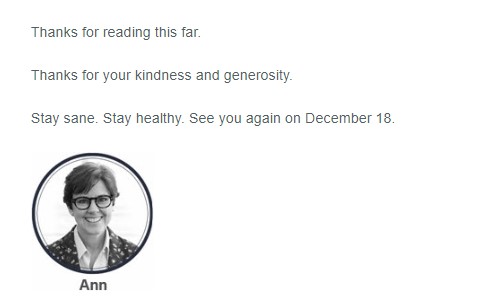
Ann Handley newsletter email sign off

Casual email sign offs

Casual closing lines are a good fit for internal emails with colleagues, quick informal messages, and follow-up emails.

  • Thanks so much
  • Thanks
  • Talk soon
  • All the best
  • Have a great one

Funny email signoffs

If you know the person well or have a brand that lends itself to humor, a funny email sign off can be a great way to end an email.

Here are a handful of humorous email sign offs to get you started:

  • May your salad have fries on it*
  • Hope no one parks in your bike lane*
  • Avoid the potholes*
  • May your Wi-Fi be strong and your Monday be short

TIP: Proceed with caution when ending an email with humor.

If you don’t have a close relationship with your reader or live in the same town, there’s a good chance your joke or pop culture reference will land wrong. Proceed with caution when using humor to end an email.

Timeless classic email sign-offs for any occasion

Choose a classic email sign off if you work in a formal setting or are writing to someone you don’t know.

  • Regards,
  • Best regards,
  • Sincerely,
  • Thank you

In the example below, HR research firm McLean & Company signs off with “Sincerely.” The classic sign off is a perfect fit with its overall brand tone.
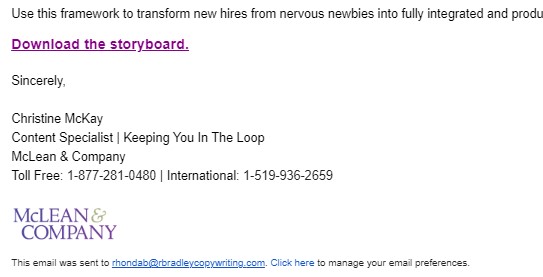
Email sign off example from McLean & Company

Other email sign offs

When closing a unique type of message, match the context to the theme of your email.

  • Hope to see you there!
  • Thanks for the feedback,
  • Excited to get started!

For example, one Growth Tools newsletter included an invitation for readers to join in on an upcoming training session. 

It closed with a CTA, Click here to save your seat, followed by a 2-line email sign off that reads “I honestly CAN’T WAIT! See you there, “
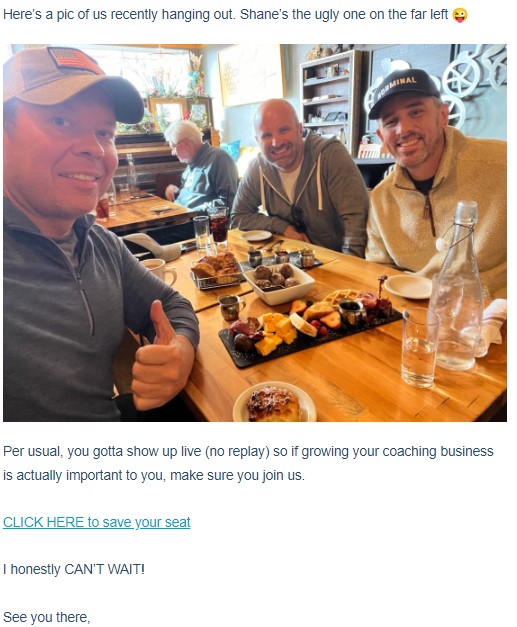
Email signature example from Growth Tools newsletter

How to end marketing emails

Here are some suggestions, examples, and tips for signing off on marketing emails such as: 

  • Email newsletters
  • Welcome emails
  • Nurture emails
  • Promotional emails
  • Abandoned cart emails

Email newsletters

Engage your newsletter readers with email sign offs that prompt engagement.

To encourage interaction, close your newsletter with an open ended question. 

You can follow it with a prompt such as “Hit reply and let me know,”

  • What’s your favorite?
  • How’s your week going?
  • Did you find this resource helpful?
  • Got any weekend plans you want to share?
  • What’s one random fact you know that always surprises people?

For example, you might ask: “What’s the best story you’ve illustrated with a chart? What do you think made it work as well as it did? Reply and let me know.”
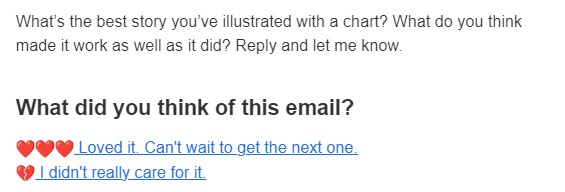
Example of an email signature closing with a survey

Welcome emails

Make a good first impression and encourage engagement by signing off welcome emails in a way that makes readers feel glad they joined your list.

Keep your ending short and focused on the main welcome message. Align the tone (playful, serious, caring, etc) with your brand voice.

Close your welcome emails with a line that makes readers feel welcome.

Welcome email sign off examples:

  • Welcome aboard!
  • We’re glad you’re here!
  • Thanks for joining us!
  • Have any questions? Hit reply!
  • Get ready for exciting updates!

Business growth and customer experience expert Jay Baer takes a friendly and appreciative tone with the email sign off in his welcome series. 

His sign off is longer than most -- but worth every word. 

“Thanks so much. I'll be back in your inbox soon. Any questions - ever - I'm Jay@JayBaer.com  and I answer every email personally!”
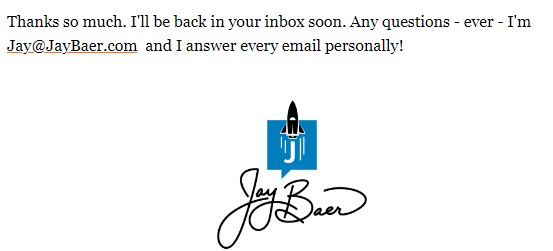
Email signature example from Joy Baer's welcome email

Source: Jay Baer Welcome Email

Nurture emails

Build trust with your readers and keep them engaged with email nurture series sign offs that encourage further communication.

End your nurture emails with a prompt to continue engagement.

Nurture email sign off examples:

  • Have any questions? Hit reply and let me know.
  • What are your thoughts on this?
  • Join the conversation on Instagram.
  • Happy learning!
  • In the meantime, check out this [relevant resource]. (Provides additional helpful content)

For example, Bill Mueller of Story Sales Machine signed off his latest email with a question and engagement prompt.

“Have a suggestion on what I should make sure is covered? Hit reply and let me know. Appreciate you.”
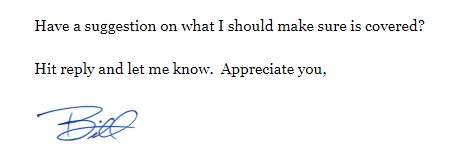
Email sign off from Story Sales Machine newsletter nurture series

Promotional emails

Encourage action by signing off (or opening with) a phrase that encourages action. 

Close your promotional emails with a call to action.

Depending on your email message and the type of business you represent, promotional email sign offs vary quite a bit. 

If you’re promoting a single service or product, you may prefer to sign off with a traditional CTA such as

  • Buy now
  • Schedule your free consultation
  • Try it free!

However, if you’re showcasing multiple products or service packages, you probably already included several purchase-driven CTAs in your message. 

When you’ve already included multiple product CTAs in the message, sign off with a secondary prompt related to something other than your products.

Sales/promotion secondary CTA sign off examples:

  • Let’s text? Sign up now for insider discounts.
  • Be in the know! Sign up for texts & get $25 off.
  • Get social with us [followed by social media icons]
  • This week only: Register for [event] and receive [gift]. Save your spot.
  • Download the [name] app.

For example, Zazzle’s call-to-action prompts user-generated content with the line “Love it. Snap it. Share it. #ZazzleMade”
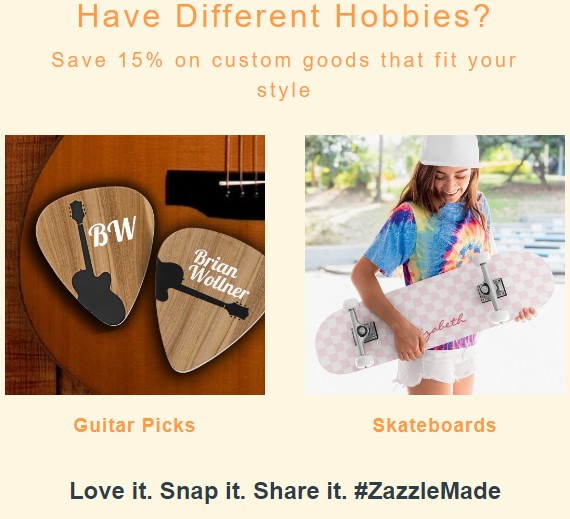
Zazzle promotional email

Audible encourages readers to try a free sample by closing with a matching text prompt and CTA button.

“Sample before you stream. Discover a range of binge-worthy content, all in one place. [Listen Now]”
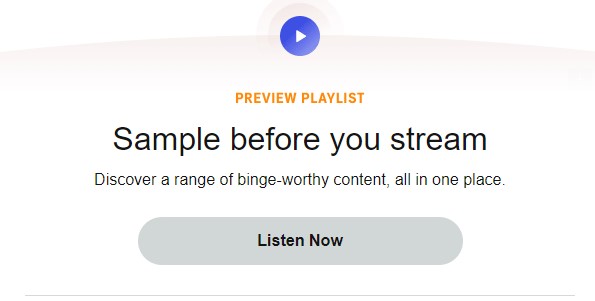
Audible promotional email

How to end professional emails

Here’s how to close out professional correspondence such as outreach, sales, customer service, and team emails.

How to end outreach emails

Invite further communication and show respect for your reader’s time when writing outreach emails.

How to end an outreach email
Let me know if you have any questions.
Would you be open to connecting?
Thanks for your time and consideration.
Looking forward to hearing from you.
I’d be happy to schedule a quick call to discuss further.

How to end sales emails

Encourage your reader to take the next step with a strong call to action when ending a sales email.

How to end a sales email
Would you like to see a demo [schedule a free consultation]?
Looking forward to working with you.
Let’s schedule a time to chat.
I’m available to answer any questions you may have.
I appreciate your time and consideration.

How to end customer service emails

Project a helpful and friendly attitude plus show that you prioritize customer issues when ending a customer service email.

How to end a customer service email
Thanks for your patience.
We appreciate your business.
Let’s schedule a time to chat.
Is there anything else I can help you with?
Please let me know if you have other questions.

How to close an email to a team member

How you sign off emails to team members can affect how they think of you and how they think of themselves. 

Thoughtful email closings reinforce mutual respect and a healthy working relationship.
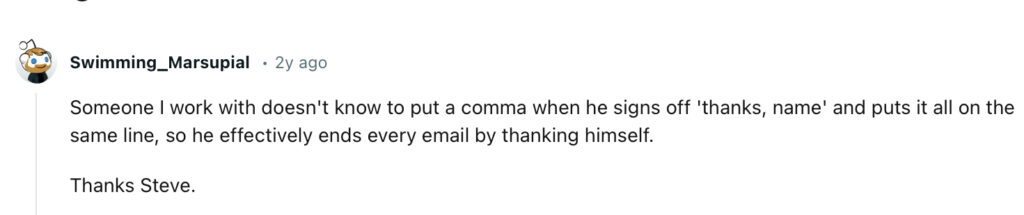
Reddit post talking about closing an email with respect

Source: Reddit

Show respect and appreciation, and add a touch of positivity, when ending an email to a team member.

How to end a team email
Thanks for your hard work on this.
Thank you for making this possible.
Have a great weekend!
Keep up the great work!
I’m so proud to be a part of this team.

How to use AI-powered tools for better email sign offs

AI-powered email marketing programs can help you compose the perfect email signoff -- as you write the email.

AI tools provide ideas, feedback, and proofreading functions that improve the quality of your email messages and your email sign offs. 

Check out how easy it is to use AI-powered features when writing an email.

How to end an email 👍

The best email sign offs have four things in common:

  1. Relevant to the email message
  2. Matched to your brand’s voice and tone
  3. Takes into account demographic differences such as location, age, and culture.
  4. Suits the relationship you have with the reader.

You’ll love how easy it is to take advantage of the latest technology (such as AI suggestions) with AWeber email marketing platform.

Sign up for a free AWeber account today to make composing the perfect email sign off easier!

The post How to end an email: Avoid awkward sign offs and master the close appeared first on AWeber.


from AWeber https://ift.tt/pXg0xk1
via IFTTT

Monday, 24 June 2024

The most important role on your social marketing team probably doesn’t exist yet

When I kickoff work with CMOs as an upper-funnel marketing consultant and we discuss their social team org structure, the first thing I say to them is, “Can I actually hear about how your paid social team is staffed and how strong your customer acquisition costs and return on ad spend are first?”

This question always surprises them. But once I break down why I’m asking, they quickly understand.

In May 2024, it was reported that paid social overtook paid search as having the highest allocation of overall marketing budgets. While this is a strong indicator for media trends in the marketplace, it creates a dilemma and critical question for CMOs that few are equipped to address: “How do we staff against this?”

Paid media is no longer paid media

A majority of organizations and companies have paid media falling under the responsibility of… well… paid media professionals. The challenge with this is that most of these professionals come from a background where paid media was traditionally executed through RFPs to media publishers and the content was banner ads, rich media ads and video pre-rolls using campaign cutdowns.

Paid media professionals are absolutely critical to ensuring that ROAS and CAC are optimized. They are analysts, predictive quantitative data experts and are among the smartest people in the room. But does any of that experience lend itself to publishing engaging, creator-driven video and creative ads that encourage awareness and consideration?

Additionally, don’t forget that all of the major social channels recommend that you update your ad creative at least twice a month as users become more savvy to advertising and immediately scroll up if they see the same ad over and over and over again. Most brands are too slow to respond to this and/or don’t have the means to create against it.

This often leads to a thought process that your organic social team could be contributing to paid media content creation and even responsible for knowing what posts to boost, reaching out to TikTok creators who have viral posts to whitelist them for boosting, monitoring trends on sponsored posts for inspiration and, ultimately, functioning as an in-house content team for paid social.

What existing social media team has time for that though?

Content is the connective tissue

What I always suggest to CMOs is to consider the agency fee model around paid media and use that as your baseline for more in-house resources. Media agencies charge between 5% to 15% of the overall planned ad spend as a management fee. If you are spending $10M on paid media in 2024, your media agency will likely be charging a $500K to $1.5M fee.

If CMOs can justify paying $1M to a media agency to buy and negotiate placements, why are so many CMOs reluctant to dedicate even 4% of their media budget to staff employees who can produce better performing ad creative?

For 4% of your $10M paid media budget, you could get two full-time creative and content strategists (a manager and coordinator level). They could ideate paid social ads on a weekly basis while onboarding and managing a small army of external content creators on retainer to execute the ideas.

A venn diagram image showing paid media team responsibilities on the left, organic social team responsibilities on the right, and content strategy in the middle as the overlapping bridge.

Your content strategy team should also be responsible for ideating content for your organic social channels to lift your overall creative and engagement. But that’s not the only benefit. We’ve all heard the narrative that paid social and organic social media don’t look and feel the same, and it often gives traditional marketers and creative directors anxiety that there’s no brand cohesion between the two. This approach solves that problem because the same team ideating paid is also ideating for organic social.

Almost every B2C, D2C and B2B CMO knows that the future of their organization’s revenue is impacted by their ability to have success across both organic and paid social media. But the two entities are currently too siloed in marketing departments when they should be working closely together.

Your team structure and roles should match your marketing needs

There may be a negative reaction to paid social budgets being reallocated to organic social team staffing. Think critically about what resources your organic and paid media teams currently lack. It’s probably content. And your paid media professionals don’t know how to brief the content creator in Jacksonville on creating an engaging 10-second ad. But an organic social media content specialist does.

So take a look at your org chart. Take a look at your paid media and influencer marketing spend. Look at the best brands on organic and paid social right now. Look up “Content Strategist” job openings on LinkedIn. The best brands are investing in content to future proof their strategies and the best content strategists come from organic social media backgrounds.

Looking for more guidance on how to structure your social team? Check out our guide to social media org charts.

The post The most important role on your social marketing team probably doesn’t exist yet appeared first on Sprout Social.


from Sprout Social https://ift.tt/poMBebt
via IFTTT
Friday, 21 June 2024

Sentiment analysis examples: How marketers are unlocking consumer insights

We’ve all heard the phrase “the customer is always right”. The standard brick-and-mortar shopping experiences of the past made that a pretty straightforward idea. Today, consumers can share their opinion anywhere—in store, on review pages, on their personal media profiles, on your brand’s social media profiles. The list goes on.

Advancements in sentiment analysis technology have made it so businesses can keep up with their customers at scale by quickly synthesizing audience thoughts and feelings about brands, industries, trending topics and more.

In this article, we’re sharing four sentiment analysis examples designed to help you think bigger about its potential role in your business strategy.

Why is sentiment analysis important for businesses?

By understanding the sentiment behind customer interactions, businesses can learn what they are doing well and what they need to improve. This insight enables teams throughout the organization to make better decisions and enhance their products and services.

Here are three of the most meaningful impacts of sentiment analysis in business.

It strengthens customer service

Sentiment analysis helps businesses monitor customer satisfaction trends and pinpoint areas for improvement. Marketers can use these insights to craft strategies that boost customer loyalty and retention.

We know consistently analyzing customer feedback allows businesses to address issues before they escalate, boosting satisfaction and trust. That said, customers are human. Their feedback has nuances, whether it be in the form of regional slang, spelling or even the use of emojis.

An X post celebrating a product from the skin care brand Topicals. The post uses slang and emojis.

Aspect-based sentiment analysis tools enable businesses to detect nuances and identify trends in large volumes of customer feedback, so brands can take appropriate action.

It improves brand reputation

Sentiment data helps brands understand the timeless question: What do people think about us? What used to take countless focus groups and user surveys can now be determined from intuitive reporting dashboards.

The Sentiment Trends table, found in the performance tab of Sprout Social's Listening tool. The table displays trends in sentiment over time.

Through analyzing the emotional tone of online conversations, companies can precisely identify their brand strengths and areas to improve. Equipped with this insight, they can develop targeted marketing plans, enhance product or service offerings‌ and eventually, strengthen their brand’s image.

Businesses that consistently manage their brand reputation will attract and retain customers, nurture loyalty and fuel business growth.

It provides consumer insight

Sentiment data isn’t just about knowing your current customers; it’s also your ticket to winning more in the future.

Sentiment analysis presents businesses with a unique opportunity to dive into the minds of their target audience, gaining a deeper understanding of their needs and expectations. This knowledge acts as a guiding compass, helping businesses develop products and services that precisely meet consumer demands, leading to increased growth and profitability.

Approaching sentiment data from an industry lens also allows brands to benchmark their offerings against key competitors, making it easier to identify opportunities to swoop in and win their customers.

3 sentiment analysis example to inspire your approach

The following sentiment analysis examples showcase how other brands use sentiment analysis data to refine their approach to product development, customer care and more. Use them to inspire your audience research strategy and playbook.

1. Dig into product-specific trends in consumer perception

If your business offers a variety of different products, services or in-house brands, you can use sentiment analysis data to uncover which offerings are outperforming expectations and why. Here’s a real-world social media sentiment analysis example that proves it.

A food and beverage company used sentiment analysis tools available in Sprout’s Social Listening solution to determine which snack bar flavors consumers preferred most. While the team knew a few products were more popular than others, they didn’t know why.

To achieve this, they used Listening Topic Themes, which are additional groupings applied to a Listening Topic’s messages to compare, filter and analyze data. The team created a Theme for each flavor of their snack bar to compare Listening data across categories. By filtering the surfaced messages by sentiment, they could break down the distribution of positive, negative‌ and neutral messages shared under each Theme.

A preview of Sprout’s Listening dashboard highlighting Sentiment Summary and Sentiment Trends.

After reviewing the data aggregated by Sprout’s Listening tool, the team found that chocolate and chocolate-related flavors generated a significantly higher ratio of positive sentiment. The positive sentiment stemmed from consumer preferences toward product consistency. Their fans liked chewy over crunchy.

This information was then passed on to the research and development team, who used it to inform future product releases. 

2. Perform risk assessments ahead of high profile campaigns and initiatives

As internet conversations grow more vast and complex, brand safety has become more crucial than ever. Even the most well-resourced public relations teams can’t proactively identify brand safety issues without smart tools that guide them on where to look.

Big Machine Label Group uses sentiment analysis tools to stay on top of what people are saying online, both good and bad.

“[Sentiment analysis] has been helpful as far as trying to understand how people are reacting to us and our artists. It’s also extremely helpful to have a listening tool where we can flag certain conversations internally and amongst the team, including conversations that could be delicate.”

– Matt Brum, Director of Digital Strategy and Social Media, BMLG

 Conducting a sentiment analysis on campaign themes and topics before major launches is the only surefire way to consider your message from every possible angle. By analyzing messages and conversations that drive negative sentiment, you can identify potential issues early. This can mean the difference between a well-executed campaign and a well-executed crisis management plan.

3. Identify customer experience opportunities

If you’re only paying attention to the customer feedback that comes in the form of glowing reviews or angry DMs, you’re not getting the full story. Customers share feedback every time they interact with your brand. Even a simple heart-eyes emoji left in your comment section can say a lot.

Conducting sentiment analysis on incoming social messages and reviews provides a more holistic view of your customer experience. Brands using Sprout do this by using the sentiment analysis features available in the Smart Inbox and Review Management tools.

Sprout’s sentiment analysis is built using a machine learning technique called a Deep Neural Network (DNN). When ‌you receive a new review or social message, the DNN computes a probability score to determine whether the content is positive, negative or neutral. Messages are automatically given a sentiment label, but users can change those classifications if needed.

Brands use this tool in collaboration with the Tagging feature to better understand the sentiment driving trends in customer feedback. For example, an automotive brand can create a Tag for feedback specific to their dealership experience. From there, they can filter Tagged messages by sentiment classification for deeper insights—like all the feedback about a positive dealership experience.

Feeling inspired by these sentiment analysis examples?

You know what they say about inspiration. It’s like a spark; you have to act on it before it fades.

Schedule a demo of Sprout Social’s social media listening tools for a personalized assessment of your social strategy. Our team will put you on the path to getting more from your audience sentiment data, so you can drive even more impact from social, faster.

The post Sentiment analysis examples: How marketers are unlocking consumer insights appeared first on Sprout Social.


from Sprout Social https://ift.tt/Kqt3mlT
via IFTTT
Re-engagement email examples: How to win back subscribers

Re-engagement email examples: How to win back subscribers

Have you noticed a significant number of your email list subscribers are no longer interacting with your content or following your calls to action? Then it may be time to start a re-engagement email campaign!

This can be a super effective email marketing strategy for winning back inactive subscribers. 

After all, one study indicates that the average email list decay rate, which is the percentage of subscribers who become inactive, is between 22% and 30% per year.

This means that, unless you’re cleaning your email list regularly, you’re likely sending a lot of messages into the void, never to be seen again.

However, with re-engagement emails, you can start winning back some of those inactive subscribers. To be successful, though, you’ll need to keep some best practices in mind.

So, in this article, we’ll explore how to write win-back emails. We’ll also provide examples of some effective re-engagement email campaign strategies, from one-off surveys and free resources to entire email sequences.

What is a re-engagement email?

A re-engagement email, also called a “win-back email”, is a message you send to subscribers who have become inactive. 

These emails aim to rekindle the interest of people who have not made a purchase or interacted with your brand for a while.

Re-engagement email campaigns are a great strategy for sparking the interest of inactive subscribers before removing them from your mailing list. After all, emailing unresponsive subscribers with messages isn’t helping them or your business.

Before saying goodbye, however, a win-back email offers one final opportunity to reconnect and rebuild your customer relationship.

Ultimately, your goal is to re-establish a connection with those who seem to have lost interest in your products, services, or content.

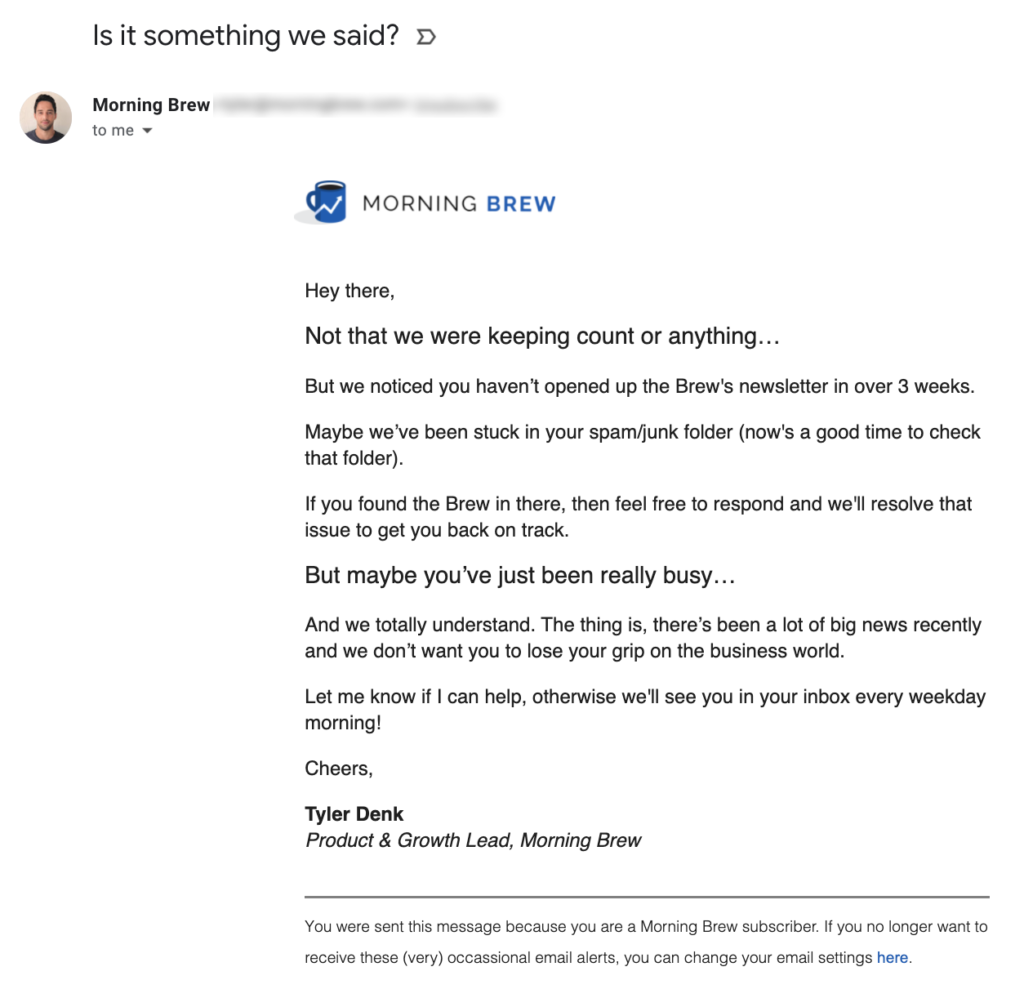
Here is an example re-engagement email from the newsletter pros at Marketing Brew. While the three-week inactivity timeline is pretty tight by most industry standards, they do a great job of ensuring their list is truly engaged with their content.

This way, they keep their email list clean, and ensure most of their messages aren’t getting lost in recipients’ spam folders.

Morning Brew send re-engagement emails after just a few weeks of inactivity

How effective are re-engagement emails?

While re-engagement email campaigns are a great way to win back subscribers, you can’t expect every inactive subscriber to become active again.

Most email win-back campaigns have a success rate of 14% up to 29% in the best-case scenario. 

Several email marketing studies have found that sending a series of emails may be more effective than sending just a single email. A re-engagement sequence of three emails appears to be the sweet spot. 

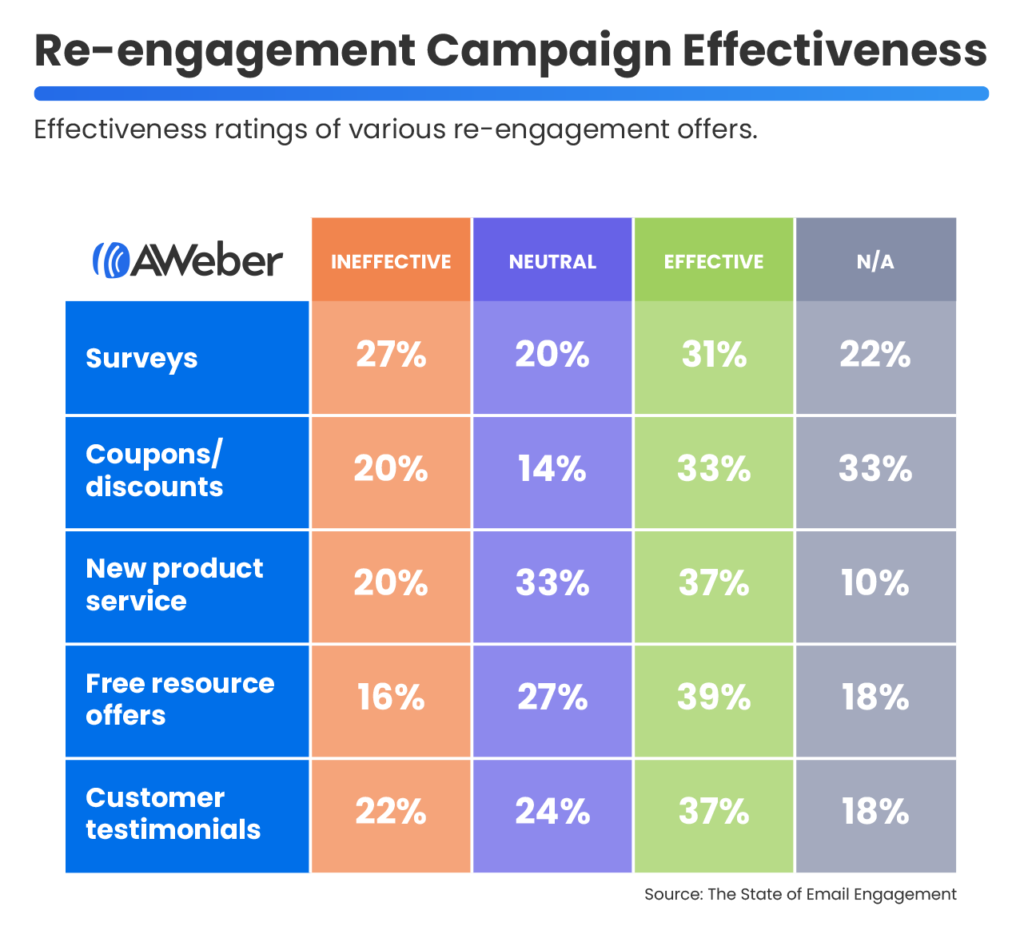
One recent study found that several different tactics will work, but no one tactic significantly outperformed the others.

Later on, we’ll discuss how each of the methods below work, as well as provide a few additional examples. We’ll also tell you how to set up an effective re-engagement email sequence.

Remember though, the method that works best for your business depends on the needs and interests of your unique audience.

How create a re-engagement email

The goal of your re-engagement email campaign is to get people interested in your emails again. 

So, every element of your email – the subject line, the content, and the call-to-action – needs to support that goal.

Re-Engagement email subject lines

For re-engagement email subject lines, the best ones specifically reference your goal: to win back your subscribers!

Here is an example of an email from Tomasz Borys at Kissmetrics:

Reengagement email subject line example

You can also take a more personal approach, like this email from Threadless:

Reengagement email subject line example

Both subject lines work well. However, they each grab the reader’s attention in different ways.

A simple “We miss you!” lets the subscriber know that you appreciate their readership. It also feels more conversational. 

On the flip side, “Do you still want updates from us?” is direct and inquisitive. It tells the subscriber that you care about their time and want to make sure they get something out of the relationship.

For more inspiration, consider reviewing your past emails to see what’s working for your specific audience. Look for common themes like subject line length and tone to see what tends to work best for your target audience.

You can also try using personalization, like including your subscribers’ first names in the subject line. It’s no secret that personalization helps you connect with your subscribers and stand out a little more in the inbox. 

For example, the email from Threadless could have gone one step further by saying, “We miss you, Sam!”

Since these details depend on what your audience responds to, try testing different variations and find that sweet spot.

Re-engagement email content

Most re-engagement emails’ content is short – generally just two or three paragraphs. All you need to do is to make the purpose of your email clear: “Do you still want to get emails from us?”

Then, you might consider explaining the value your emails provide. 

Remember, these are people who signed up to receive messages from you but at some point stopped reading. 

They wanted to hear from you before, so how can you get them re-interested in what you have to say? 

Ask yourself a few questions:

  • What did my subscribers sign up to receive originally?
  • Am I continuing to send them content based on their original expectations?
  • Did I change anything in my email strategy that might have caused them to stop engaging with my content?
  • What can I offer to pique their interest again?

Once you have those answers in mind, it’s time to start writing your email.

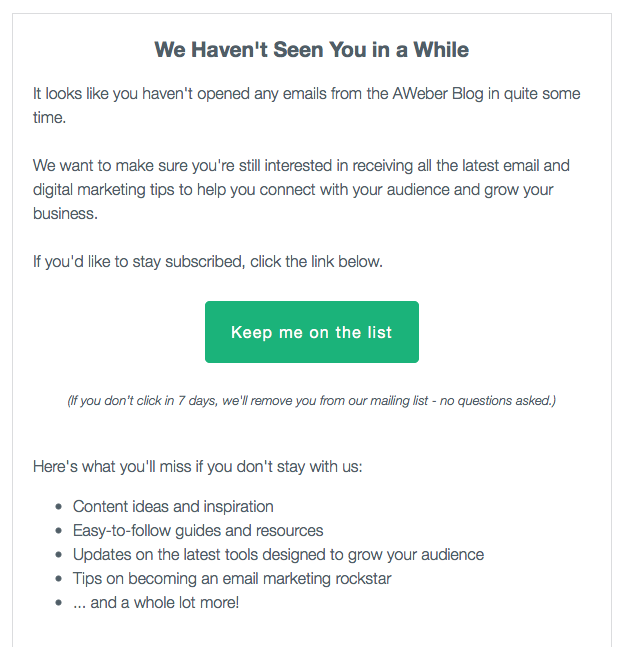
Here’s an example of a re-engagement email we sent to our inactive blog newsletter subscribers:

Re-engagement email example from AWeber

The format is simple, and it makes a good template for any re-engagement email:

  • You haven’t opened any emails from us in a while
  • We want to make sure you’re still interested
  • Click this button to stay on the list
  • Here’s what you can expect if you remain on the list

That’s all you have to say in a re-engagement email–just one sentence and a few bullet points. After all, the shorter your email is, the more likely people are to read it and click the button.

Getting inactive subscribers up to speed might also help get them re-interested in your content. So, consider adding a short bulleted list of your recent “greatest hits,” such as:

  • Products
  • Content
  • Promotions

Re-engagement email incentives

Speaking of promotions, offering an incentive, like a white paper or coupon code, might also help you re-engage subscribers. 

If you hooked them onto your list with a piece of content in the past, consider how you might be able to repeat that success during your re-engagement email campaign.

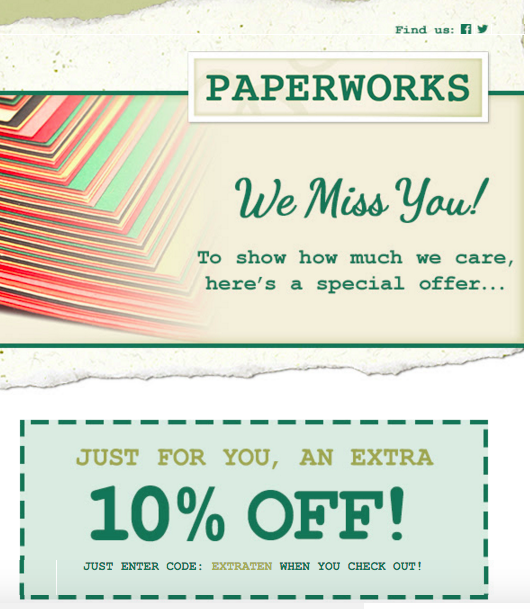
Check out this example from Paperworks, a stationary and premium paper provider:

re-engagement email with a discount offer

Offering a special discount is a great way to get subscribers interested in your emails again. 

Not only are you giving your subscribers something in exchange for their time and attention, but you might even get another sale out of it as well.

Re-engagement email feedback

To help you learn more about why subscribers grew disinterested in your content, asking them for specific feedback could help fill in the gaps. For example:

  • Was there something you could have done better for these subscribers? 
  • What made them stop engaging in the first place?

Asking these questions directly can help you figure out exactly where you can improve your email marketing strategy.

Additionally, if you make a subscriber feel like their opinion is truly valued, they may want to stick around. Plus, this will give you valuable insight into their needs that you wouldn’t get anywhere else.

As you get feedback and notice common themes, you can implement their suggestions in the future.

Re-engagement email call to action

The whole point of your email is to prompt subscribers to take an action, so make sure your emails have a call to action that is bold and clear.

Generally, you’ll want to limit yourself to one call to action in order to increase your click-through rate. However, there are exceptions to this rule.

Ultimately, your CTA should make it easy for recipients to:

  • Stay on or opt out of your list
  • Learn more about a product or service
  • Download an incentive

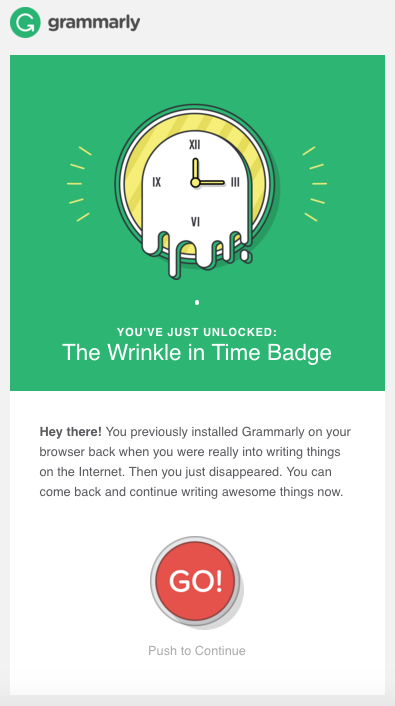
For example, check out this email and CTA from Grammarly:

re-engagement email example from Grammarly

While having one call to action is the classic approach, some re-engagement emails examples also include an unsubscribe link. 

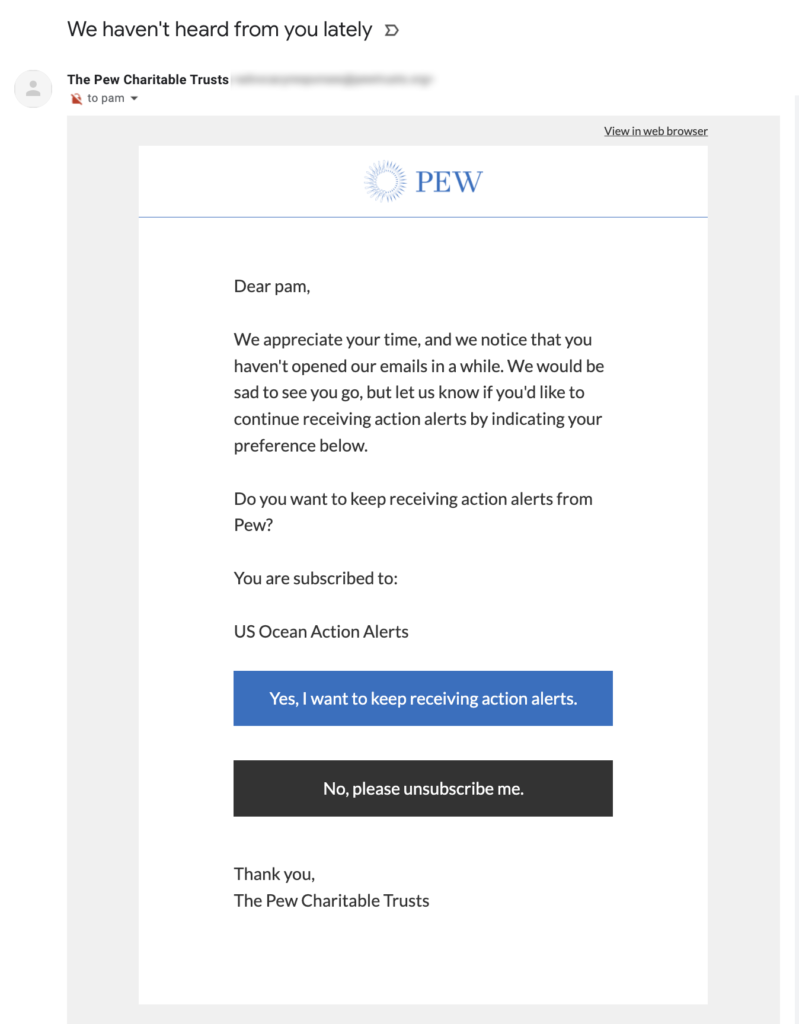
For instance, take a look at this email from a PEW, a non-profit organization:

win-back email example from Pew

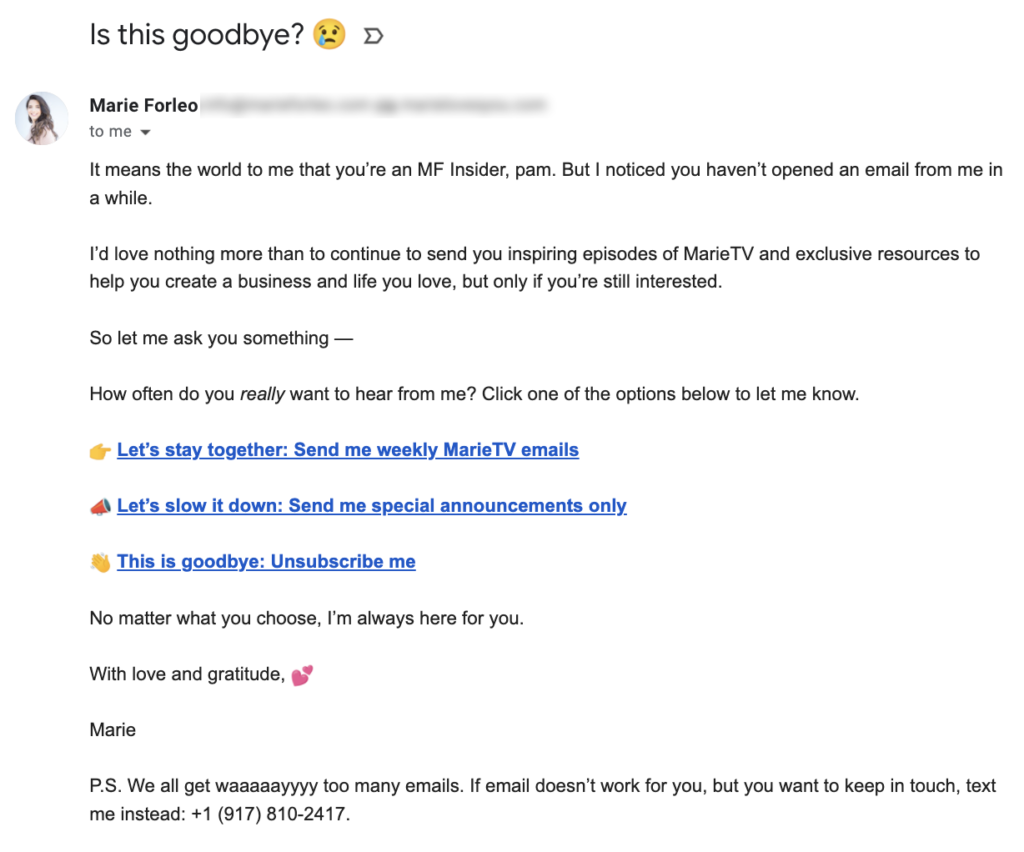
Finally, some re-engagement emails even let subscribers choose to get emails less often, like the example below.

re-engagement email example from Marie Forleo

7 Re-engagement email examples

Now that you’ve got a good idea of what goes into an effective win-back email, let’s look at some re-engagement email examples.

The following ideas are great ways to get customers interested in your brand again.

1. Surveys

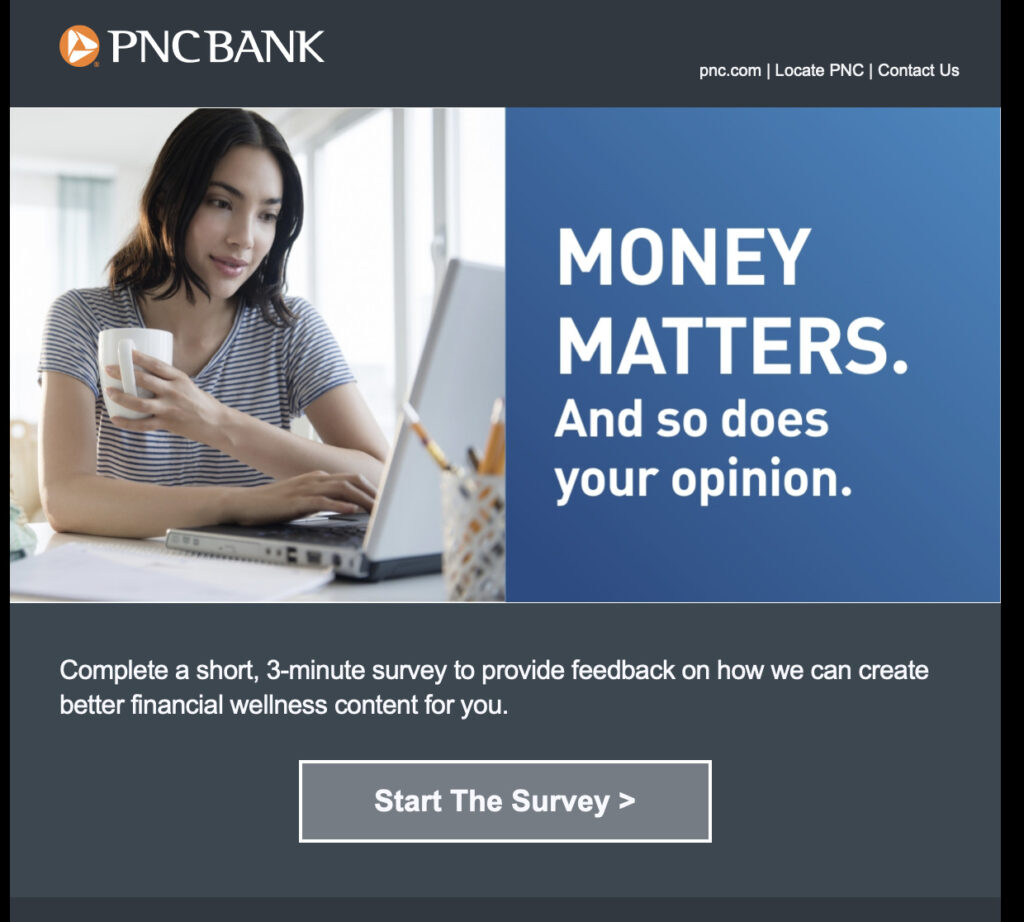
If your subscribers aren’t responding to what you’ve been sending, try asking them what they would like to get from you. After all, this can help you better understand your audience’s interests and preferences. 

For example, you might send a re-engagement email with the subject line “We miss you! Tell us how we can improve.” Then, for your call to action, include a link to a brief survey. Consider asking questions about:

  • Their favorite types of content
  • Products they’re interested in
  • How often they’d like to hear from you

Ultimately, this feedback can help guide your future email marketing campaigns, as well as show subscribers you value their opinions.

Survey email from PNC Bank

2. Coupons and discounts

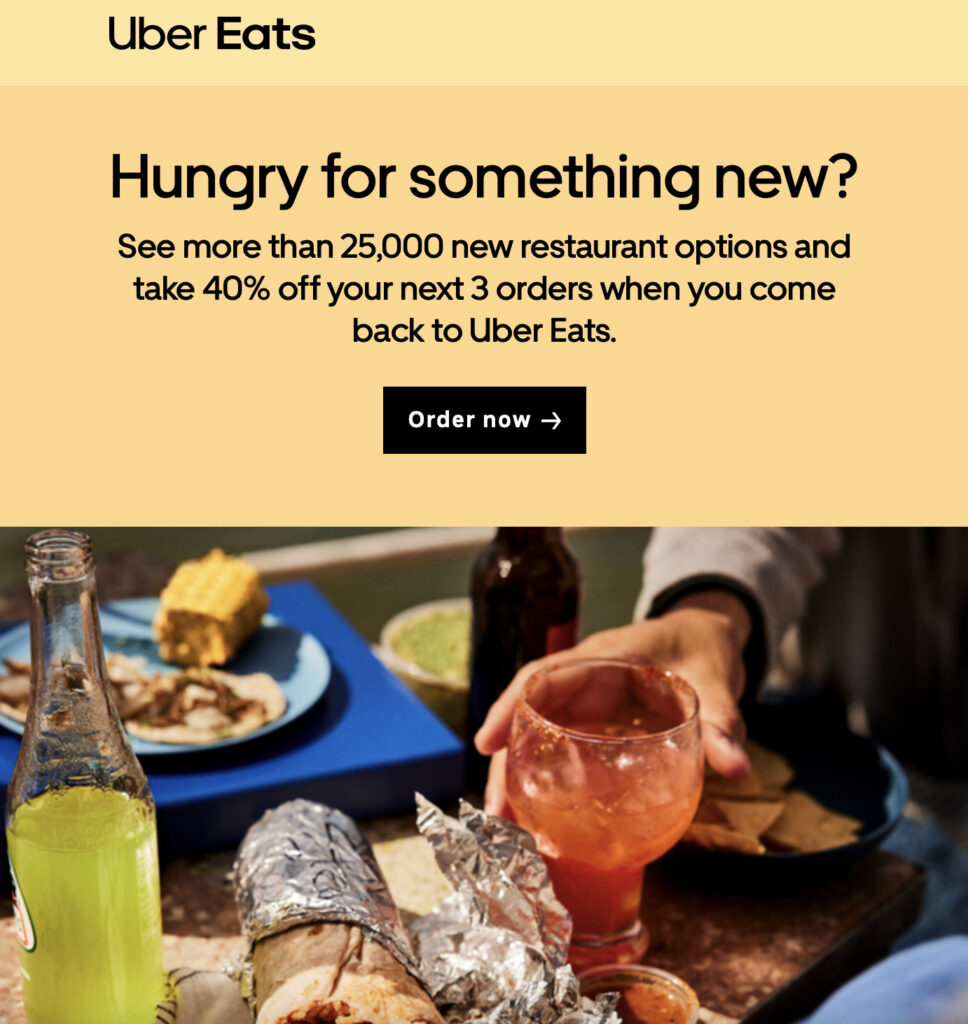
If you’re in ecommerce, the classic way to win back inactive customers is to send them a juicy discount coupon. 

Consider making this a dollar off discount rather than a percent off discount. One study of win-back campaigns found that dollar off discounts activated more subscribers.

For instance, you could send an email with the subject line “We miss you! Here’s $10 off your next purchase.” 

Then, in the content of your email, be sure to include your discount code and a call to action directing subscribers to your store.

You might also think about highlighting new or popular products to entice them even more.

Subject line from Uber Eats
Email from Uber Eats with promotional 40% off

3. New products and services announcements

Announcements are ideal emails to send out if you haven’t mailed to your list in a few months. They’re a great opportunity to let recipients know about new products or services you’re offering.

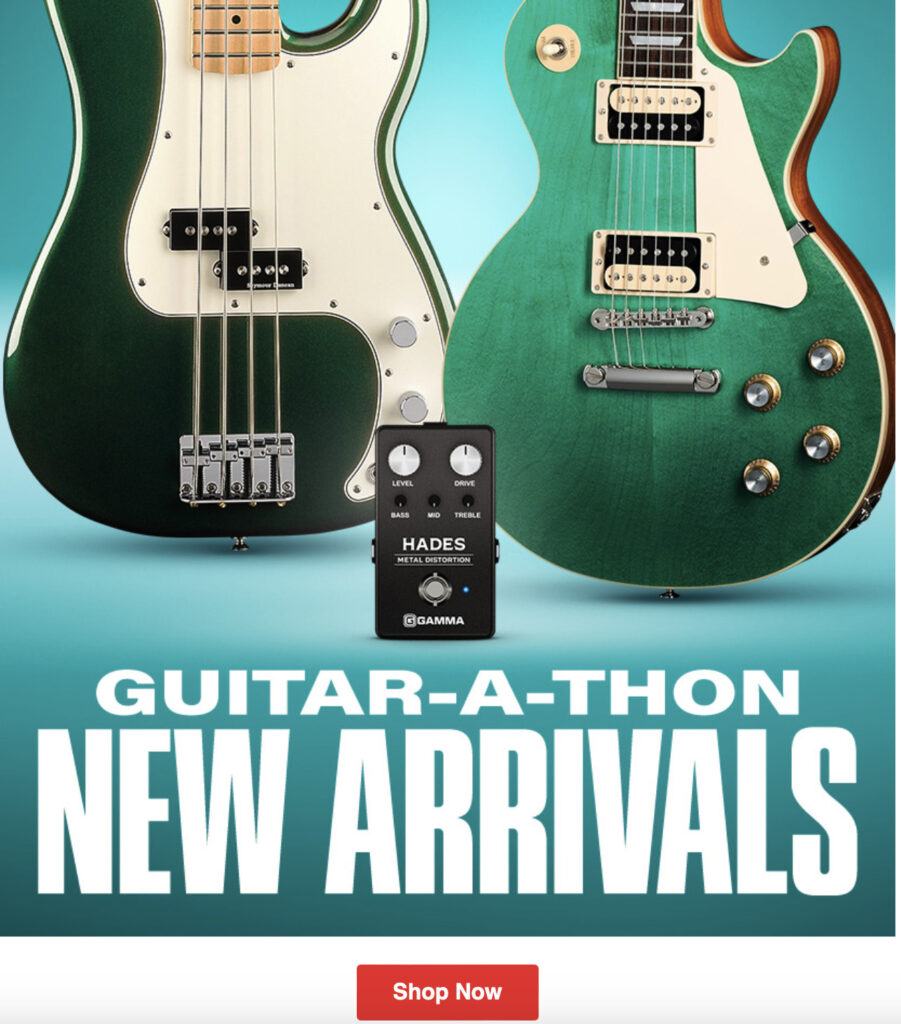
For example, consider sending a re-engagement email with the subject line “Check out our new arrivals!” 

Then, in your email content, be sure to showcase your latest and greatest products with high-quality images, and include a CTA to your online store.

By showing off your most recent arrivals, you can recapture the interest of customers who’ve grown tired of your old line of products.

Email subject line from Guitar Studio
Email example promoting new products from Guitar Center

4. Free resources

Free resources are also excellent to send if you haven’t emailed your list in awhile. 

A high-value digital resource, like an ebook or a course, can be a great way to demonstrate that it’s worth their time to be on your list. 

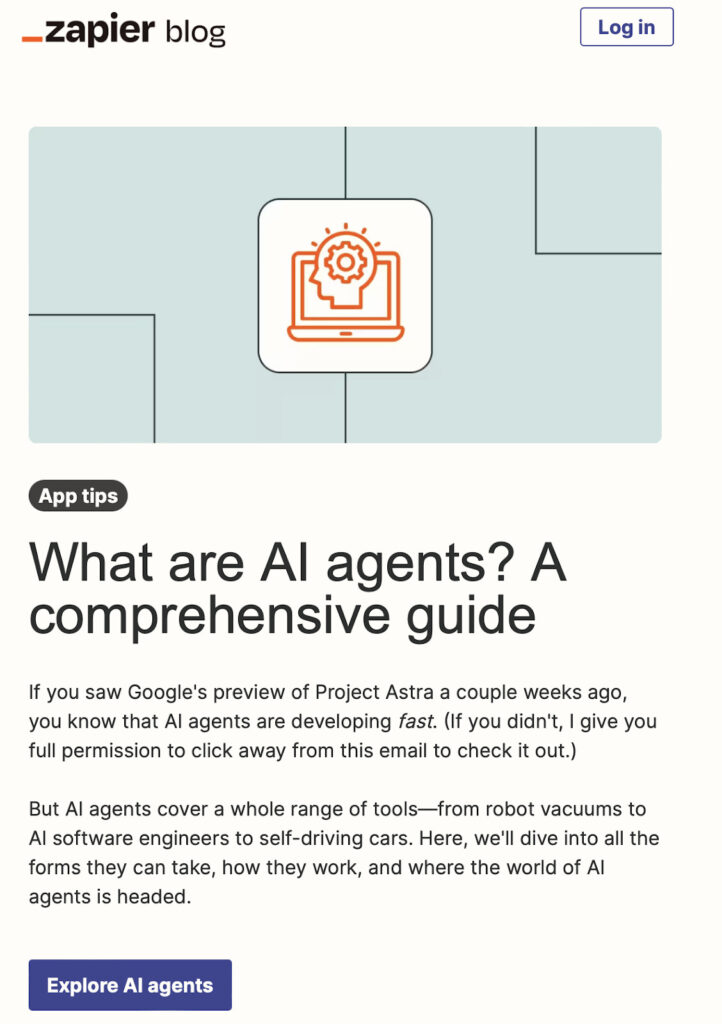
For instance, consider using the re-engagement email subject line “Exclusive free ebook just for you!” and provide a link to the download.

You should also be sure to highlight the value recipients will gain from the resource, reinforcing the value they’ll get if they remain active subscribers.

Reengagement email subject line example from Zapier
Reengagement email with win back using free resources

5. Customer testimonials

You can use customer testimonials with other types of content mentioned above. For instance, share a few testimonials about a new service you have.

Think about using a subject line like “See what others are saying about our new service!” and include direct quotes from customers.

This strategy can be especially effective in combination with some of the others listed above. 

For example, including testimonials with a new service announcement or special discount can build trust and credibility while encouraging inactive subscribers to re-engage.

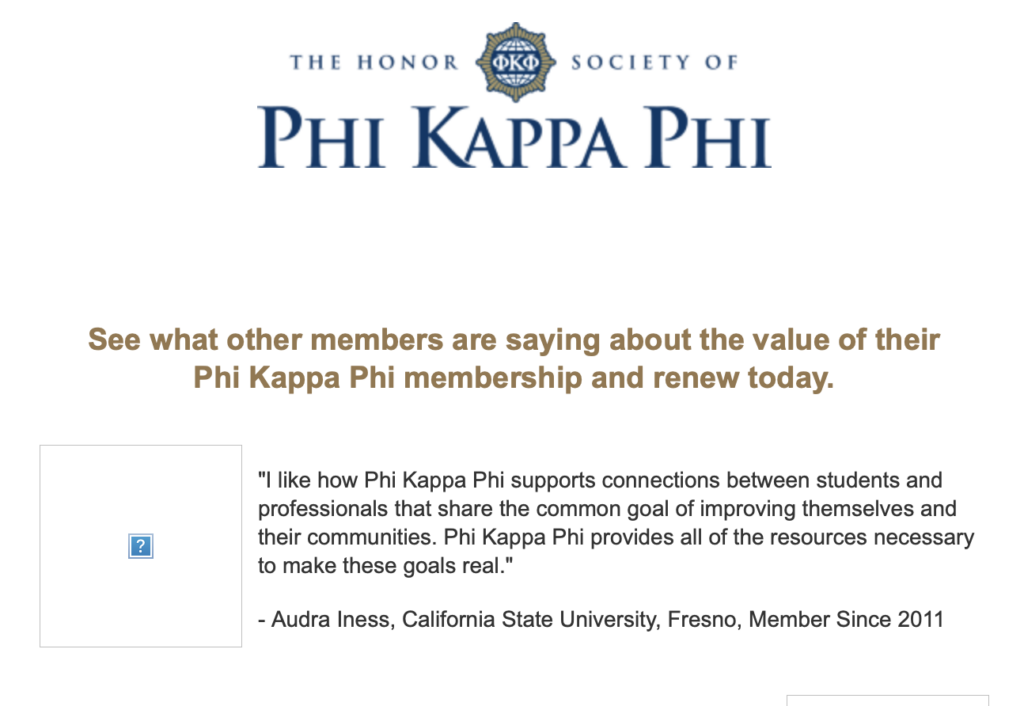
Reengagement subject line example from Phi Kappa Phi
Reengagement email example from Phi Kappa Phi

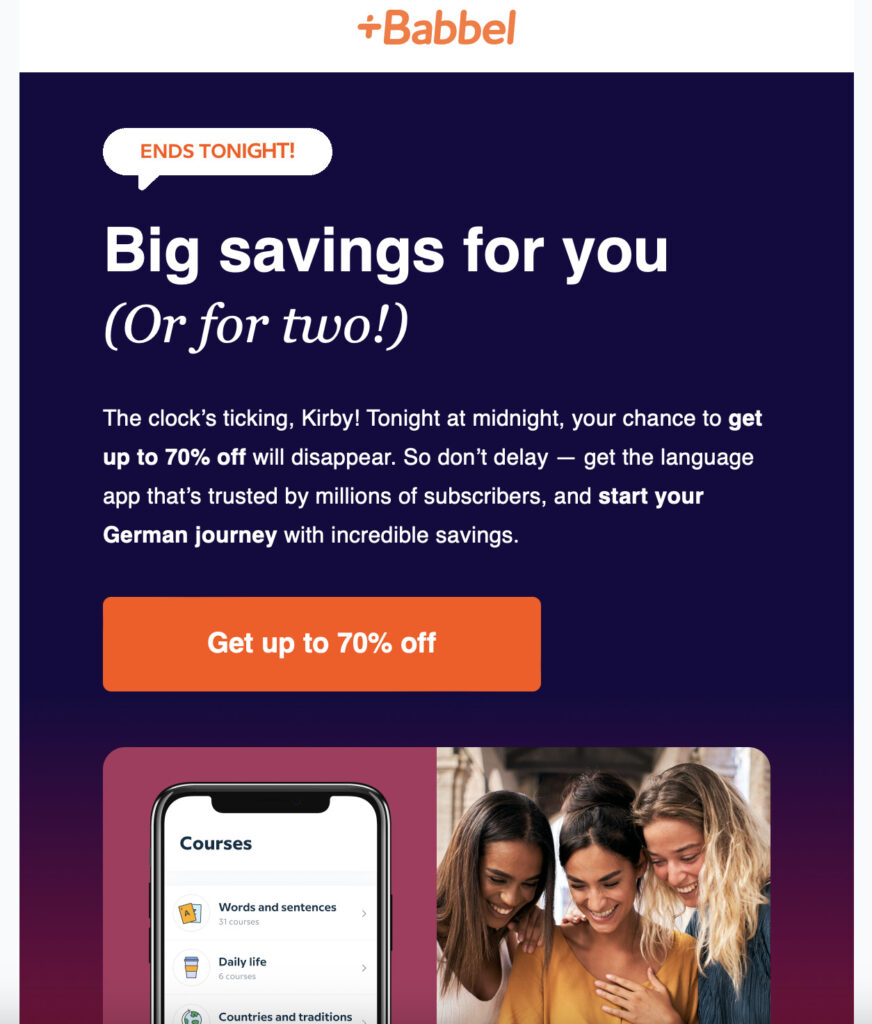
6. Limited time offers

Another great way to win back subscribers is by inducing a sense of urgency in your emails. 

For instance, you might offer a limited-time discount or promotion to encourage recipients to take action quickly.

Consider using a subject line like “Limited time offer! $10 off just for you,” and include a countdown timer or specific end-date.

By inducing a sense of urgency, you can get customers to take action quickly.

Reengagement subject line example from Babbel
Reengagement email from Babbel

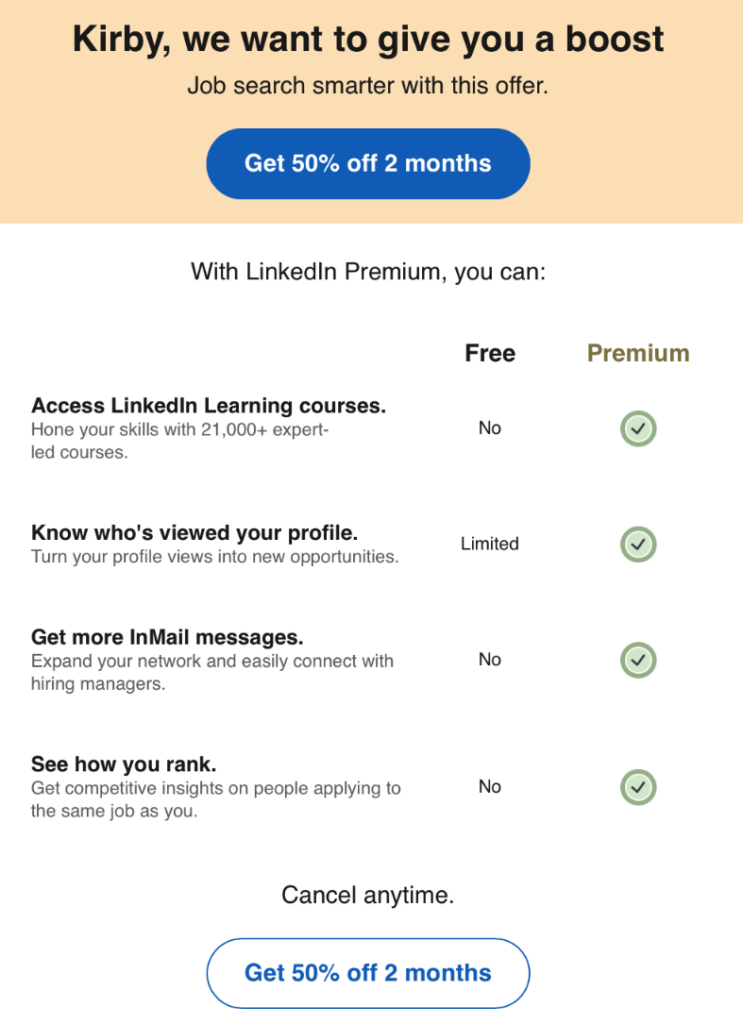
7. Resubscription Offers

 Re-subscription offers can be a great incentive to get subscribers interested in your product or service again.

For instance, you might use the re-engagement email subject line, “We want you back! Enjoy 30 days of free premium access.” 

Then, include a CTA to your sign-up page where customers can try out your platform again for a limited time for free.

If your product or service is delivering the value the customer desires, there’s a good chance they’ll stick around after the free trial is over.

Reengagement email subject line from LinkedInReengagement email subject line from LinkedInReengagement email subject line from LinkedInReengagement email subject line from LinkedInReengagement email subject line from LinkedInReengagement email subject line from LinkedInReengagement email subject line from LinkedInReengagement email subject line from LinkedIn
Reengagement email example from LinkedIn

Re-engagement email campaign sequences

All email lists are different, so what works best in one situation may not work so well in another. One message might do the trick, but you could be more effective by sending two or three emails to warm people up and get them re-activated.

Since these subscribers are already less engaged, aim to keep your campaign short. Send an email, wait a few days, and see who’s interacted with your content.

If they’ve clicked through to your content or stated they want to remain on your email list, then great! They can stay on your list and continue to get your awesome emails.

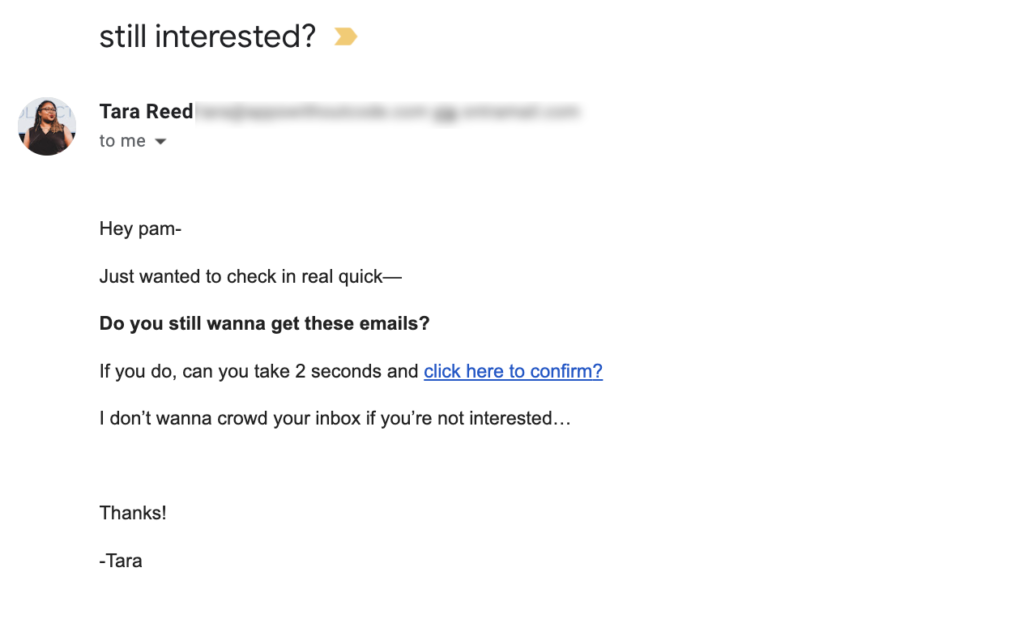
Here are two re-engagement email examples that were sent a few days apart.

This is the first one. Notice how short it is?

re-engagement email example from Tara Read - 1

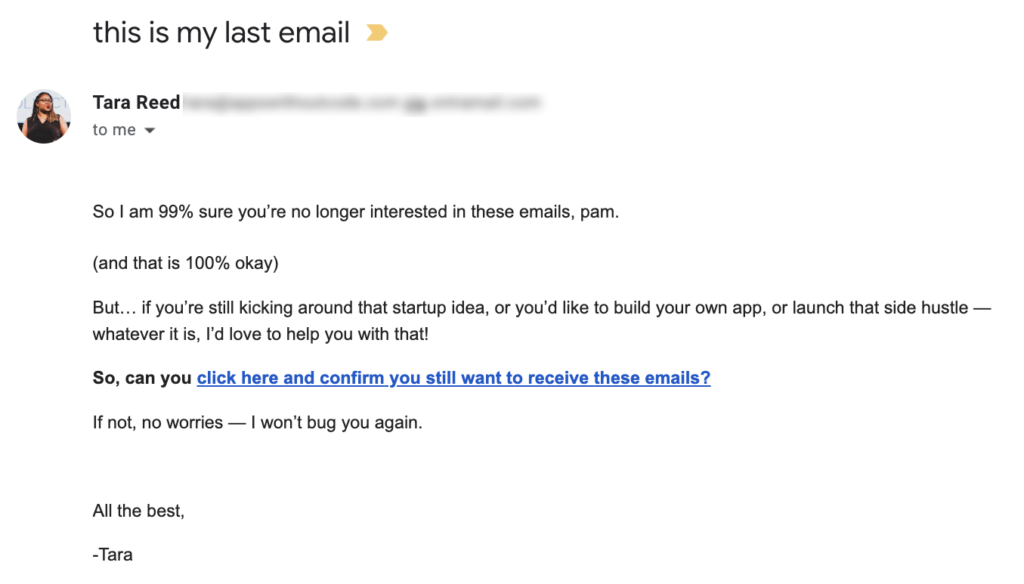
 And here's the next one, sent two days later:

win-back email example from Tara Read - 2

The sequence of emails above is concise, and also respectful. Ultimately, even if subscribers opt not to re-engage, it’s important to consider what they want.

This way, if they develop interest in your products or services at a later date, you haven’t burned any bridges.

Start winning back subscribers with a re-engagement email campaign

If you take the time to craft a re-engagement email campaign, there’s a good chance you can win back some subscribers.

However, if some recipients haven’t responded, it may be time to say goodbye. And that’s perfectly ok!

You’ve done what you can to win them back, but if they don’t want to receive your emails, it’s better to let them go. Not only will they appreciate a cleaner inbox, but it’ll also help boost your email deliverability. 

Ultimately, this will improve your email marketing in the long run.

Now, we know that sometimes it can be really hard to write your emails. That’s why we created our What to Write in Your Emails guide and course, complete with 45+ email templates. It will save you hours of work every month.

How do you plan on running a re-engagement campaign of your own? Leave a comment below to share your ideas. 

Or, if you already have an AWeber account, watch this video to see exactly how to create and send your own re-engagement emails!

Re-engagement email FAQs

When should you send a re-engagement email?

Many marketing experts recommend that you wait at least three to six months after a subscriber becomes inactive to send a re-engagement email.

However, the proper amount of time can depend on your specific audience.

For example, if your content is time-sensitive or encourages frequent interaction, one to two months may be a better timeline.

You may even consider starting a win-back email campaign during other times. 

For example, if you’re planning a major list cleanup, updating your product or service offerings, or notice declining engagement rates, you might want to consider sending re-engagement emails.

Ultimately, it’s key to think about the behavior and preferences of your unique subscribers, and align them with your business goals.

How many emails should you send in a re-engagement campaign?

As we mentioned earlier, there’s no perfect number of messages to send in a re-engagement email campaign. 

What works best for your business depends on the preferences of your specific audience.

While sending just one email may be best for some brands, other brands may want to design a sequence of two, three, or even four emails.

So, be sure to test out some different strategies with different segments of your audience. This will help you understand how you can best win back your subscribers.

The post Re-engagement email examples: How to win back subscribers appeared first on AWeber.


from AWeber https://ift.tt/1TamulP
via IFTTT

Thursday, 20 June 2024

YouTube marketing: A complete guide for your brand in 2024

With over 2.5 billion monthly active users, YouTube is the second-largest social media platform in the world. But YouTube’s large user base isn’t the only reason brands shouldn’t sleep on including the platform in their overall social marketing strategy.

The platform fuels product discovery and drives purchase decisions. Next to Facebook, YouTube is the second-most used social network for product research and purchasing. So it’s the perfect platform to boost brand awareness and drive high-converting traffic.

In this article, you’ll learn what YouTube marketing is, why it’s important and how to implement it successfully with proven tips and strategies.

What is YouTube marketing?

YouTube marketing is the process of promoting your brand, product or service on YouTube. It involves a mix of various organic and paid approaches such as uploading your own videos or paying for YouTube ads. Additionally, brands may even include influencers in their YouTube marketing mix.

A typical YouTube marketing strategy may involve one or a combination of the following methods:

  • Video creation: YouTube is primarily a video hosting platform. So creating and uploading original content is the best way to engage your YouTube audience.
  • YouTube influencer marketing: YouTube is the second-most popular platform to work with influencers based on the latest influencer marketing stats. 70% of marketers find the platform important for their influencer marketing.
  • YouTube advertising: 70% of consumers say they’ve bought a product after seeing it on YouTube. Running ads on the platform can deliver high returns for your brand.

YouTube is also the second-most visited website next to Google. This makes it the world’s second-largest search engine. But ranking on the platform is highly competitive, with 500+ hours of content uploaded every minute. Understanding how the YouTube algorithm works will help you optimize your videos for visibility.

Why is YouTube marketing important?

The latest YouTube stats all point to one truth—marketers and consumers love video. In fact, Wyzowl found that it’s the format people most prefer for learning about a product or service. And there’s no better place to leverage video content than on YouTube, where people watch over 1 billion hours of video daily.

YouTube marketing has tons of benefits for your business. Below are a few reasons investing in YouTube should be your top priority:

Reach a large audience

YouTube has an incredibly large, active user base. Publishing quality content on the platform can get you massive exposure and traffic. You can even leverage influential creators to further expand this reach.

Also, there’s a close connection between SEO and social media. So a strong YouTube presence could boost your reach beyond the platform.

Better yet, YouTube lets you tap into an international audience. The platform is available in 100+ countries in 80 different languages. With features like auto-translated captions, it’s easy to create targeted content for global audiences.

Improve search visibility

While YouTube is a big enough search engine on its own, it’s also great for boosting your visibility on Google. A significant number of Search Engine Results Pages (SERPs) now include video carousels, with most of them coming from YouTube. As such, boosting your YouTube SEO will also ensure better visibility in Google search results.

Google search results on "how to bake cookies" showing video results from YouTube

Leverage SEO tools to conduct keyword research on Google and YouTube. Then use these insights to match search intent and optimize your videos to rank higher on both search engines.

Increase brand awareness

YouTube is a great place for generating brand awareness. According to Google, 90% of people around the world use YouTube to explore new brands and products. 

Publishing content like product reviews, how-to videos and explainers can help you spread the word about your business. You can even leverage video ads and influencer marketing to further boost awareness about your brand. Additionally, visual branding and brand voice consistency can enhance brand recall.

Build trust and credibility

YouTube is the most trusted social media platform for finding and purchasing products. If you’re looking to build credibility around your brand, YouTube is a great place to start.

Enhance brand trust by shedding light on how your product can solve problems. Create video testimonials, brand storytelling, visual tutorials, hands-on reviews and live demos. Partnering with creators in your niche can also help you build trust with potential customers.

Drive sales and traffic

YouTube marketing can positively impact your bottom line by driving traffic to your site and boosting sales. In fact, 87% of marketers say video has directly increased sales for their business.

bar chart showing the percentage of marketers who say video has increased sales from 2016 to 2024

Source: Wyzowl

YouTube offers plenty of useful shopping features such as cards, end screens, channel stores and tagged products. Marketers can leverage these tools to increase their social media sales and drive more revenue.

Generate leads

YouTube is also an effective lead generation tool. Along with using features like lead form ads, you can share webinar promos and online course trailers to encourage people to sign up.

Additionally, you can add links to landing pages and lead magnets in your video descriptions. Share your videos on other platforms like social media or websites to get more exposure.

Make extra revenue

YouTube can boost your existing marketing strategy, but it can also become an additional revenue stream on its own for your business.

Channels that meet YouTube Partner Program’s eligibility criteria can make money based on the number of views and engagement. Check out our article on YouTube monetization to learn more about how you can earn revenue on the platform.

YouTube marketing strategies and tips

YouTube marketing is competitive but highly rewarding if done right. Simply creating a channel and publishing videos is not enough. Brands need to strategically approach the process of planning, producing and distributing content on the platform to see tangible success.

Check out the video below to hear three ways to optimize your YouTube marketing strategy in three minutes (stay tuned for the surprise resource):

Below are some tried-and-true best practices to make the most of YouTube marketing and drive business growth using the platform.

1.      Create and brand your YouTube channel

The first step to YouTube marketing is setting up your channel—your brand’s “home” on the platform. This is where you’ll publish videos, create playlists, respond to comments, view analytics and more. Follow this guide to create a YouTube channel for business.

But simply creating a channel is not enough. You also need to brand it properly to establish consistency and generate brand awareness.

Customize these elements on your channel so it’s aligned with your branding style guide:

  • Profile picture
  • Banner image
  • Channel description
  • Social links
  • Channel trailer
  • Custom URL
Sprout Social YouTube channel with arrows pointing to the channel banner, profile picture and preview video

Additionally, be sure that your video thumbnails, titles and descriptions are all on-brand, even if you need to optimize them for SEO purposes. You can create a branded thumbnail template based on what works for you, and keep all future thumbnails consistent with that design.

Are you looking for a YouTube banner that doesn’t require additional design resources? Check out our free social media templates tool with free YouTube banners that you can download and add to your channel today!

2.      Define your YouTube audience

Before you start creating content, know who your videos are for.

Not all potential customers are watching your videos on YouTube, so find out who makes up your target audience on the platform.

  • Are they males or females?
  • What’s their age range?
  • Where are they located?
  • What languages do they primarily speak?

Consider your audiences’ interests to create engaging videos.

  • What kind of content is your target audience currently watching?
  • Which channels are they subscribed to?
  • Why are they on YouTube in the first place?

Use a mix of social media market research, analytics and social listening to understand your audience. Look into their problems, questions and behaviors, especially in terms of online video consumption.

Build an audience persona to visualize your target audience and keep it in mind every time you create a video for your channel.

3.      Conduct a competitive analysis

Identify channels your audience is watching and learn from their efforts. This is important for spotting trends, finding keywords and understanding audience interests. A competitive analysis also helps you set realistic goals and benchmarks for video performance.

Here are a few steps to analyze your competitors on YouTube:

  1. Look into their subscriber count and follower growth to understand where you stand in comparison. Are they growing much faster than you?
  2. Go through their channel to understand the types of videos they’re publishing. Use this to inspire your own YouTube video marketing efforts.
  3. Check out their top videos and engagement rates to see how their viewers are engaging with their videos. Use this to understand the types of videos your audience might want to see.
  4. Manually go through their posting schedule to see how often you should post. Should you ramp up your posting frequency to keep up?
  5. Check out how they’re engaging with their audience. Are they responding to comments? If so, how are they responding? Are they creating contests, polls or other engagement opportunities?
  6. Look through their thumbnails to see what drives clicks. Check out their most viewed videos to see what stands out about the thumbnail.

Moreover, find content gaps your brand or channel can fill. There may be dozens of video opportunities your competitors are missing out on. Take advantage of those keywords or topics before they catch up.

4.      Create quality YouTube video content

There are billions of videos on the platform and not everything is worth watching. Users have to sift through the noise daily to find meaningful content on the platform. This is also why YouTube’s smart algorithm favors some videos over others.

To stand out, you need to consistently create high-quality videos viewers love watching and engaging with. Check out these YouTube video ideas to get your creative juices flowing.

Let’s go through a few essential steps that will guide your video creation process:

  • Research audience pain points and analyze trending keywords to get an idea of what videos people want to see. Social listening is a great way to identify topics and discussions that your target audience is engaging with.
  • Write a script for your video so you have a clear idea of what to include. Even if you’re not going to narrate it word-for-word, having a script helps you maintain a logical narrative that’s easy for viewers to follow.
  • Make sure to only include necessary info. Get rid of the fluff that could disengage viewers in the middle of a video.
  • Use brand storytelling techniques to connect with your audience. Speak to your viewers clearly and directly so you can engage them.
  • Perfect your set so that it looks professional on camera. Get rid of unnecessary objects and clutter that could distract your viewers.
  • Invest in good quality equipment to aid your content creation. Don’t forget about editing and post-production. Include necessary graphics, sounds and music to make your videos more engaging.

For instance, Sprout’s YouTube videos feature a speaker in a clean and clutter-free setting. We shoot videos against a solid background with nothing but a laptop and a mug to serve as props. Moreover, the info we share is relevant, useful and straight-to-the-point, so people get exactly what they come for.

Sprout Social YouTube video for "influencer marketing in 5 minutes" showing a woman smiling against a pale yellow background and a laptop and a mug on the table

Source: YouTube

5.      Experiment with YouTube Shorts and other features

With short-form video content being all the rage, features like YouTube Shorts are a must-use for marketers. This feature supports quick content viewing and boasts vertical-style videos to appeal to mobile users. It’s a highly engaging format, reaching 70 billion views daily.

Use YouTube Shorts to reach mobile-first audiences and drive more engagement for your brand. Shoot videos up to 60 seconds long in vertical format, and creatively use the built-in audio, text and filters to make your videos stand out.

YouTube recommends these short videos to users in their feeds. Plus, there’s a dedicated Shorts tab where you can scroll through an endless selection of Shorts.

So creating Shorts is a great way to boost your reach and engagement on the platform.

YouTube Shorts feed with arrow pointing to the "Shorts" tab

Source: YouTube

Also, leverage features like live streams, premieres and 360 videos to consistently deliver unique video experiences to your audience. YouTube regularly introduces new features to drive engagement on the platform. Stay on top of these updates so you’re always first in line to use them for your YouTube marketing.

6.      Optimize your videos with SEO best practices

YouTube SEO is an often overlooked aspect of video marketing on the platform. But it’s crucial for your videos to show up at the right time. Otherwise, your videos will get lost in the sea of unwatched content and stay there for good.

Optimizing your videos starts at the beginning of the video creation process—during ideation. Conduct keyword research to find the right topics and angles for your videos. Then, optimize the following elements when publishing on YouTube to maximize visibility:

  • Titles and descriptions: Use primary and secondary keywords naturally. You can also translate your video titles in multiple languages to reach a global audience.
  • Thumbnails: Browse top videos and identify which thumbnails perform well for a particular keyword. Thumbnails with faces, expressions and text often stand out from others and drive more clicks.
    YouTube search results for "crochet for beginners" showing thumbnails with close-up images of crocheting
  • Tags: Add relevant words and phrases to tell both YouTube and viewers what your video is about. While tags are less important than they used to be, they can still impact your search rankings.

YouTube’s algorithm also favors videos that see more engagement. Promote your videos on other platforms and forums to get more views and give them an initial push.

Also, link to your video from other videos on your channel using cards and end screens. Lastly, don’t hesitate to ask people for likes, comments and shares. You’ll be surprised at how effective proactively reaching out can be.

7.      Actively engage with your audience

YouTube marketing is all about building an engaged subscriber community. And interacting directly with your audience is a great way to do that.

Respond timely (and nicely) to the comments on your videos. Take audience questions seriously and answer them quickly to resolve any issues. See how Canva nails this aspect of its YouTube marketing.

comments on Canva's YouTube videos showing the brand responding to the comments

Source: YouTube

Additionally, create interactive video content on YouTube to engage with your audience. For example, host live Q&A sessions and webinars, publish behind-the-scenes content and premiere videos to watch together with your audience in real-time.

8.      Attract more YouTube subscribers to your channel

Subscribers are the bread and butter of all YouTube channels. The more subscribers you have, the more exclusive features you’ll be able to access. Plus, YouTube’s algorithm is likely to rank your videos higher if you have more subscribers.

Create problem-solving content that meets audience goals to get more YouTube subscribers. Ask people what they want to see on your channel and keep your promises. People subscribe to channels they’re getting value from and want to see more of.

You could even jump in on the latest discussions and trends to create timely content. This is a great way to draw in people based on what they’re currently paying attention to.

Don’t forget to add a call-to-action to every video, encouraging viewers to subscribe. Sometimes, viewers may not even realize they’re not subscribers because they watch your videos religiously. Check out the following Evernote video where the speaker asks people to subscribe to “see more videos like this.”

Evernote YouTube video showing a woman smiling at the camera with an end video card recommending another video

Source: YouTube

Make sure to optimize your videos for YouTube search so that they’re prominently visible in relevant search results. This will help you drive more clicks and viewers, which will then bring in subscribers.

Also, promote your videos outside of YouTube to widen your reach, and build relationships instead of pushing out one-way content.

Finally, stick to a consistent publishing schedule so subscribers know when and how often to expect your videos. Consistency is the key to YouTube marketing success. While creating and editing quality content takes time, make sure you have a posting schedule and stick to it.

Having a proper publishing schedule makes it easier for you to plan your content and schedule videos ahead of time and set expectations for your subscribers. YouTube channels with consistent publishing are generally favored by the algorithm as well.

9.      Use YouTube ads to drive targeted traffic

Running YouTube ad campaigns can help you reach a wider audience, drive traffic to your website and deliver personalized messaging to your target audience.

YouTube supports five types of ads:

  • Bumper ads: These are short, non-skippable ads that run before a video starts.
  • In-stream ads: These can be skippable or non-skippable, and run at certain points throughout your videos.
  • In-feed ads: These are video ads that show up in places of discovery such as the mobile homepage, search results page or next to related videos.
  • Masthead ads: These are ads that run prominently at the top of the YouTube Home feed.
  • Outstream ads: These are mobile-only ads that show up across various placements on Google video partners.

Be careful about your goals when running ads on the platform. YouTube ads are not meant to replace your organic strategy, but to boost it. Also, views acquired from ads don’t contribute towards monetization revenue.

10.  Partner with YouTube influencers

There are millions of creators on the platform with thousands of loyal subscribers. Brands can partner with YouTubers in their niche to promote their products and services in creative ways.

Some popular types of YouTube influencer marketing campaigns include:

  • Unboxing videos
  • Product reviews
  • How-tos and tutorials
  • Day-in-the-life vlogs
  • Contests and giveaway

Regardless of the type of campaign, the key to success is working with the right influencers. This is one of the trickiest parts as it involves a balancing act between reach and actual influence. It doesn’t matter if an influencer has millions of subscribers when only a handful of those subscribers will be interested in your product.

Make sure to find an influencer who can reach your target audience even if they have just a few thousand subscribers. Start by using the right industry keywords to run a search on influencer marketing tools. Then narrow your search using relevant filters related to follower size, audience base, location and more.

You can also check out our more detailed guide on how to find the right influencers to better understand the process.

Sometimes, influencers on YouTube may not even be individuals. You can even partner with a team of creators behind a specific channel. For instance, Netflix partnered with the Cut channel, which has 12 million subscribers, to promote its new film “Atlas.”

Cut video for "match job to woman" showing text that reads "we asked people to match the woman to their career" and displaying that it's created in partnership with Netflix

Source: YouTube

11.                 Monitor your YouTube analytics

Tracking YouTube analytics helps you identify your best (and worst) performing videos. You can use it to understand what type of content resonates with your audience and which factors impact video performance.

You can access the platform’s built-in analytics in YouTube Creator Studio. Track metrics like views, subscribers, watch time, audience retention, traffic sources and devices. Also, analyze audience demographics and interests.

youtube channel analytics tab showing metrics for views, impressions, impressions click-through rate, average view duration

Knowing this helps succeed on the platform and create an effective long-term strategy. It also helps you focus resources where they matter.

YouTube marketing examples

Vogue

Subscriber count: 14.5 million

videos on the Vogue YouTube channel showing different series such as Objects of Affection, Getting Ready with Vogue and 73 Questions

Source: YouTube

Vogue’s YouTube marketing consists of a diversified content mix and a consistent publishing schedule. The channel mixes things up with several video series. For instance, the “73 Question” format features famous personalities answering 73 questions in a single shot. Meanwhile, the “Getting Ready with Vogue” series showcases celebrities as they get ready for an event.

There’s even a “Beauty Secrets” series where celebrities share their beauty tutorials and tips. The intriguing format and diversified mix help to keep things interesting and engaging.

Moreover, most of the videos feature famous faces that are trending at the moment. This includes names such as Nicola Coughlan of the “Bridgerton” series and Felix from the boyband, Stray Kids. So the videos tend to attract viewers because people are currently paying attention to those names and faces.

Architectural Digest

Subscriber count: 6.71 million

Videos on the Architectural Digest YouTube channel showing various video series such as Unique Spaces, Open Door: Inside Celebrity Homes and On the Market

Source: YouTube

Like Vogue, Architectural Digest maintains a diverse content mix to engage its audience. The channel categorizes its videos into several series to target various types of audiences.

For instance, the “Walking Tour” series features an architect giving you a tour of famous landmarks and cityscapes. “The Blueprint Show” gives you a detailed breakdown of iconic structures in pop culture. Think Disney castle interiors, Barbie dreamhouse evolutions and movie villain houses.

Meanwhile, the “On the Market” series focuses on exploring real estate listings that are currently available for sale. There’s even an “Open Door” series where celebrities take you on a tour inside their homes.

In other words, the channel is an abundant source of content for anyone who has a fascination for architecture. But it also includes content that more general audiences would want to view, such as those related to celebrities and pop culture.

LEGO

Subscriber count: 18.1 million

Videos on the LEGO YouTube channel showing various video series such as LEGO DREAMZzz, LEGO Entertainment and Building with LEGO Bricks

Source: YouTube

Storytelling, short videos and helpful tips—there’s a little something for everyone on the LEGO YouTube channel. The brand engages its audience with fun facts and entertaining tidbits shared through YouTube Shorts. It also produces episodic videos following a storyline that keeps viewers coming back for more.

The channel has a dedicated “Entertainment” section where you can watch videos such as City Stories and Ninjago. Meanwhile, you can find tips and tricks as well as robot inventor guides in the “Building with LEGO Bricks” section.

So the brand manages to keep fans entertained while sharing useful guides for serious builders.

YouTube marketing tools

Sprout Social

All-in-one social media management tool

Sprout Social YouTube post performance dashboard showing various performance metrics for different videos

Sprout Social can boost your video strategy by providing you with a set of YouTube management tools. These include (but are not limited to):

  • Scheduling and publishing video content on your channel
  • Tracking video analytics and insights related to your audience
  • Practicing YouTube listening to find conversations in your niche
  • Managing YouTube comments within the Smart Inbox, next to your other social profiles

Sprout helps you optimize your publishing strategy with ViralPost®. This allows you to analyze your audience engagement and calculate the best time to post your videos.

You can also use the platform to identify influencers leading the conversations in your industry. Use these insights to discover the best influencers to partner with for your YouTube marketing strategy.

Sprout even provides you with Tagger, its influencer marketing platform to manage every aspect of your YouTube influencer marketing. This lets you build your strategy based on industry trends and social content. It gives you access to an extensive influencer database that you can scour through to find the perfect influencers for your campaign. Plus, you can run, manage and measure your campaign in one place.

Canva

Channel and video branding tool

Canva video templates page showing various sample videos

Source: Canva

Canva is an online design tool that lets you create branded visuals for your videos and channel. Use and edit templates for YouTube thumbnails, profile pictures and banners. You can also add creative intros and outros to your videos using the tool.

VidIQ

Video marketing and analytics tool

VidIQ page showing various sections for related keywords, related trending videos, keyword score and interest over time

Source: VidIQ

VidIQ is a specialized video marketing intelligence tool for YouTube creators. Its key features include daily video ideas, keyword research, optimization suggestions, competitor analysis and performance metrics. The tool also comes with a free Chrome extension for easy access.

Ahrefs

Keyword software tool

ahrefs report showing keyword overview for "swimwear" with metrics such as search volume, clicks and global volume

Source: Ahrefs

Ahrefs is a popular SEO tool used for keyword research and site analysis. The platform also offers a YouTube Keyword Tool that lets you find trending keywords in 170 countries. View detailed reports for each keyword showing search volume, clicks, questions and other data.

Grow your business with YouTube marketing

YouTube is one of the best platforms for brands investing in video marketing. With billions of users and sky-high engagement rates, it offers marketers a golden opportunity to connect with their audiences.

Ready to dive into YouTube marketing? Don’t forget to keep track of your progress and pivot your strategy as needed. Use YouTube analytics tools to understand the impact of YouTube marketing on your business.


The post YouTube marketing: A complete guide for your brand in 2024 appeared first on Sprout Social.


from Sprout Social https://ift.tt/Ue4N1dm
via IFTTT